
Introduction
In the vibrant world of playthings, ensuring safety and quality in electric toys is paramount. Electric Toys Quality Control encompasses a holistic approach to verifying that these products meet stringent safety standards and provide enjoyable experiences for children. The journey begins with understanding the intricacies of quality testing services, which serve as the backbone of this essential process.
Understanding Electric Toys Quality Control
Electric Toys Quality Control is not just a buzzword; it's a critical framework designed to safeguard our little ones from potential hazards associated with their toys. This control process involves meticulous monitoring and evaluation at various stages of production to ensure that every toy meets established safety regulations. By implementing robust quality control measures, manufacturers can significantly reduce risks and enhance consumer trust in their products.
Importance of Quality Testing Services
Quality testing services play a pivotal role in validating the safety and functionality of electric toys before they reach eager hands. These services encompass various assessments, including performance tests, durability checks, and compliance evaluations against industry standards. Ultimately, effective quality testing ensures that parents can have peace of mind knowing that their children's toys are not only fun but also safe.
The Role of Material Testing in Safety
When it comes to electric toys, the materials used can make or break their safety profile. The testing of materials is crucial for identifying potentially harmful substances or structural weaknesses that could pose risks during use. By prioritizing thorough material testing within Electric Toys Quality Control processes, manufacturers can avoid costly recalls and foster a safer play environment for children everywhere.
What is Electric Toys Quality Control?

Electric Toys Quality Control is a systematic approach to ensuring that all electric toys meet safety and performance standards before they reach consumers. It encompasses various processes that assess the quality of materials, manufacturing practices, and final products. With the ever-increasing variety of electric toys available, maintaining rigorous quality control is essential for safeguarding children’s health and well-being.
Definition and Importance
At its core, Electric Toys Quality Control refers to the methods and procedures used to monitor and evaluate the quality of electric toys throughout their production lifecycle. This includes everything from raw material selection to the final inspection before shipment. The importance of these processes cannot be overstated; effective quality control helps prevent defects that could lead to product recalls or, worse, harm to children.
Quality testing services play a crucial role in this framework by providing independent assessments that verify compliance with safety regulations. By identifying potential hazards early in the production process, manufacturers can take corrective actions before products hit store shelves. Ultimately, robust Electric Toys Quality Control not only protects consumers but also enhances brand reputation and trust.
Key Components of Quality Control
The key components of Electric Toys Quality Control include material testing, manufacturing process evaluations, and final product inspections. Each component serves a unique purpose: material testing ensures that raw materials are safe and suitable for use; manufacturing evaluations check for adherence to best practices; while final inspections confirm that finished products meet established standards.
Incorporating these elements into a comprehensive quality control strategy allows manufacturers to detect flaws at various stages of production. Regular audits and assessments help maintain high-quality benchmarks over time, fostering an environment where continuous improvement is prioritized. This proactive approach not only minimizes risks but also maximizes customer satisfaction by delivering safe, reliable toys.
Industry Standards and Regulations
Navigating the landscape of industry standards and regulations is critical for any manufacturer involved in Electric Toys Quality Control. Various organizations establish guidelines aimed at ensuring safety in children's products; prominent among them are ASTM International (formerly known as American Society for Testing and Materials) and ISO (International Organization for Standardization). Compliance with these standards helps manufacturers avoid legal pitfalls while promoting consumer confidence.
Regulatory bodies often require extensive documentation demonstrating adherence to safety protocols during both design and production phases. This includes records related to quality testing services performed on materials used in toy construction as well as results from performance tests conducted on finished products. Staying informed about evolving regulations ensures ongoing compliance—a vital aspect of maintaining high-quality standards in electric toys.
Overview of Quality Testing Services
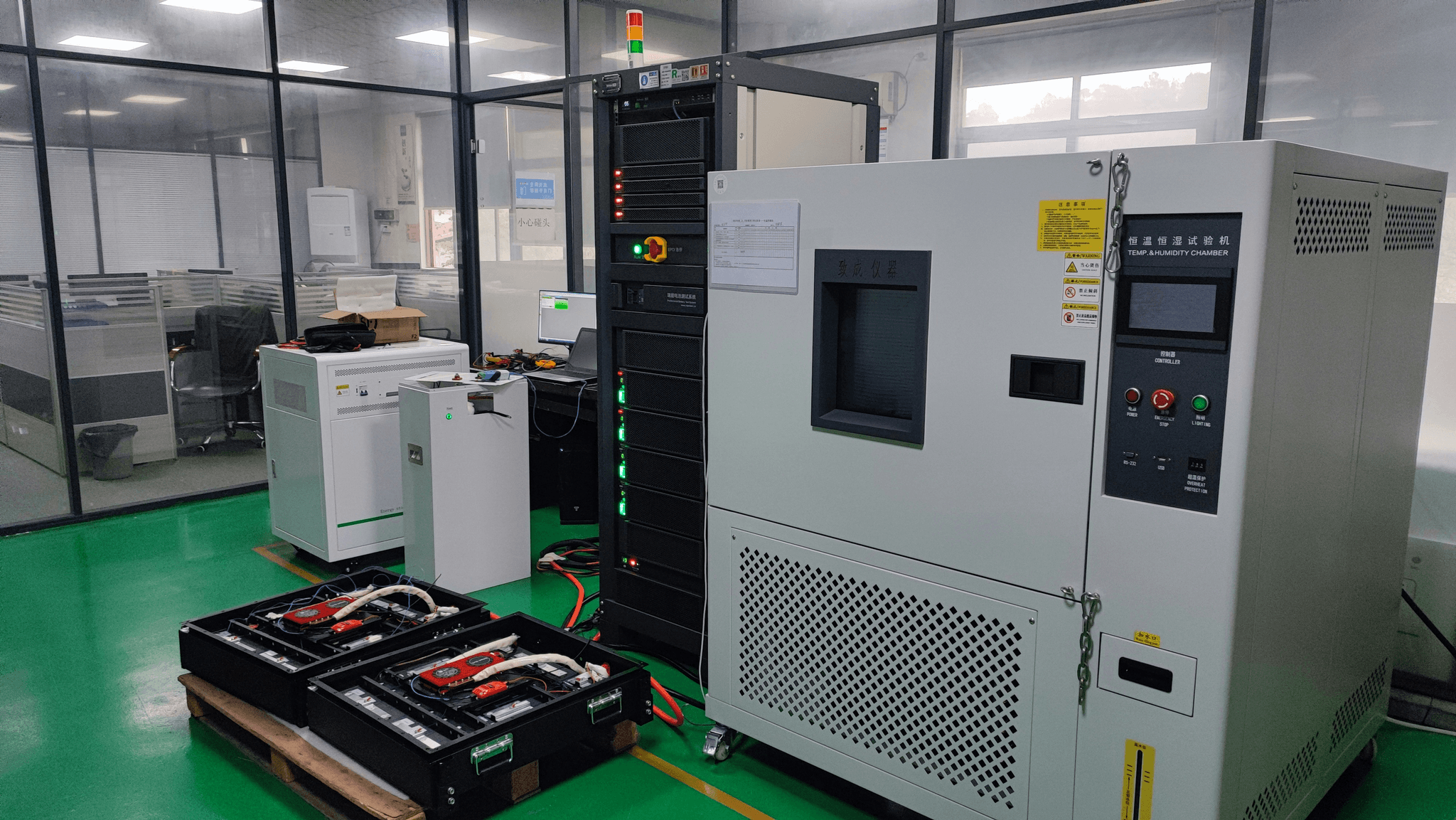
In the realm of Electric Toys Quality Control, quality testing services play a crucial role in ensuring that products are safe and meet industry standards. These services encompass a variety of tests designed to evaluate both the functionality and safety of electric toys. By implementing rigorous quality testing, manufacturers can significantly reduce risks associated with defective products and enhance consumer trust.
Types of Quality Testing Services Offered
Quality testing services for electric toys come in several forms, each targeting specific aspects of product safety and performance. Common types include electrical safety testing, mechanical durability assessments, and chemical content analysis. Additionally, services such as age appropriateness evaluations and usability tests ensure that toys are suitable for their intended audience while meeting regulatory requirements.
These testing services not only confirm compliance with industry standards but also help identify potential hazards before products reach the market. For instance, electrical safety tests focus on preventing risks like short circuits or overheating, which could lead to injuries or fires. Similarly, mechanical durability assessments can uncover weaknesses that may result in toy breakage during regular use.
How Quality Testing Ensures Safety
Quality testing ensures safety by systematically identifying weaknesses or hazards within electric toys before they are sold to consumers. This process involves using standardized methods to assess various attributes such as material integrity, electrical functionality, and overall design robustness. When manufacturers engage in thorough quality testing services, they create a safer environment for children who interact with these products daily.
Moreover, effective quality control measures mitigate potential legal liabilities by demonstrating due diligence in product safety practices. By adhering to established guidelines during the testing of materials used in electric toys, companies can avoid costly recalls or reputational damage stemming from unsafe products reaching consumers' hands. Ultimately, investing in quality testing not only protects children but also enhances brand loyalty among parents seeking reliable options.
Case Studies of Effective Quality Testing
Several companies have successfully implemented comprehensive quality testing protocols that serve as benchmarks within the industry for Electric Toys Quality Control. For example, a well-known toy manufacturer adopted an extensive multi-phase quality assurance program that included rigorous material inspections and functional tests throughout production stages. This proactive approach resulted in a significant reduction in product recalls over several years while simultaneously boosting consumer confidence.
Another case involved a startup company specializing in eco-friendly electric toys that prioritized sustainable materials without compromising on safety standards through diligent quality testing services. Their commitment paid off when they received accolades for both innovation and reliability from industry watchdogs after passing all required certifications with flying colors.
These examples illustrate how effective quality control practices not only safeguard consumers but also foster innovation within the market by encouraging companies to prioritize excellence over shortcuts.
The Testing of Materials Used in Electric Toys
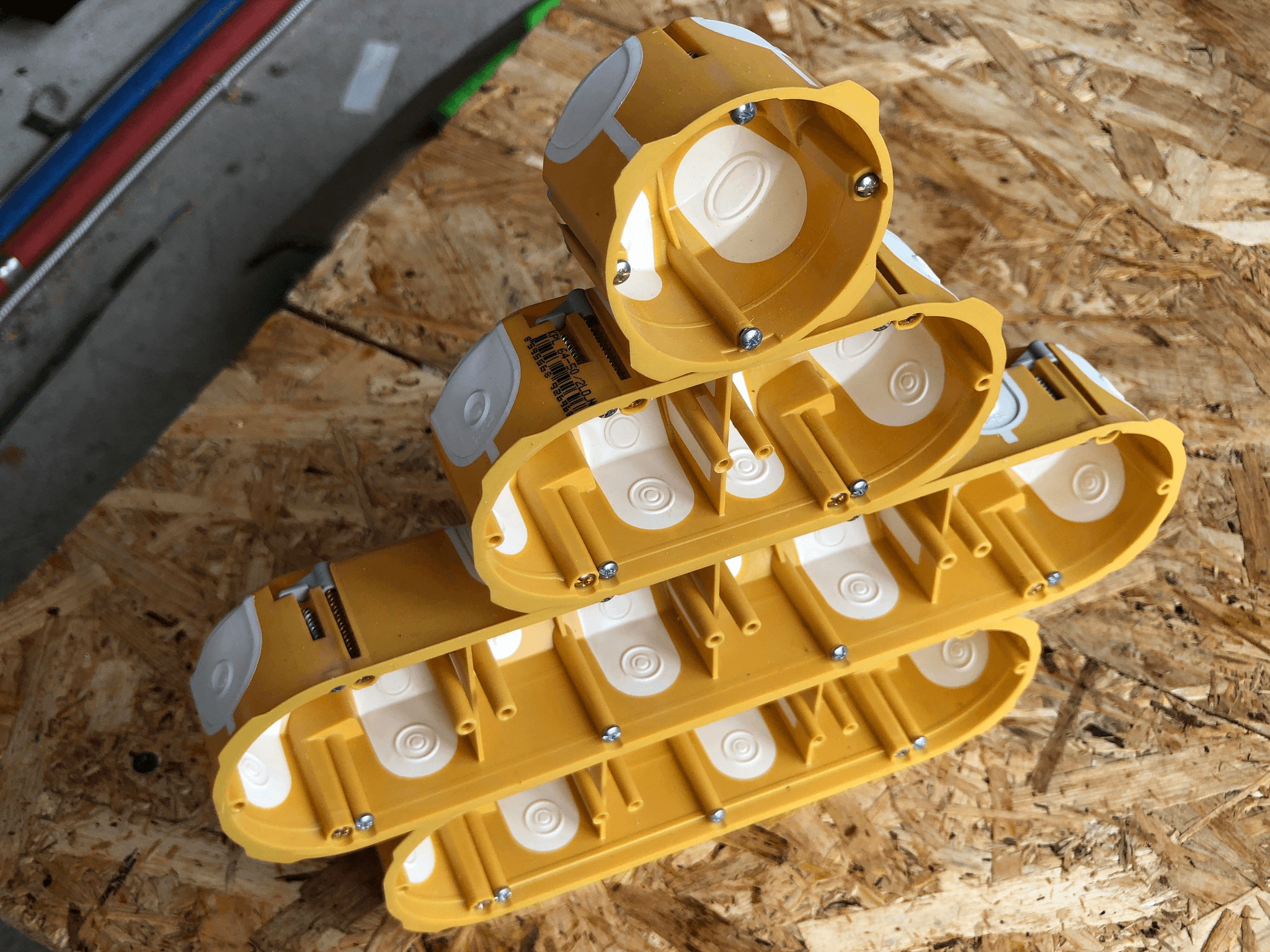
When it comes to Electric Toys Quality Control, the materials used are just as crucial as the design and functionality. These toys often contain a variety of materials, each with its own set of risks that can impact safety and performance. Understanding these materials and their potential hazards is essential for effective quality testing services.
Common Materials and Their Risks
Electric toys are typically made from plastics, metals, and electronic components, each posing unique risks. For instance, some plastics may contain harmful chemicals like phthalates or bisphenol A (BPA), which can leach out during use or when exposed to heat. Additionally, metals such as lead or cadmium can be found in some electronic components, potentially leading to toxic exposure if not adequately controlled through rigorous testing of materials.
The presence of these hazardous substances underscores the importance of thorough quality testing services that specifically target material safety. Manufacturers must stay informed about the latest regulations regarding material use to ensure compliance while protecting consumers from potential health risks. This proactive approach not only safeguards children but also enhances brand reputation by demonstrating a commitment to safety.
Methods for Testing Materials
Quality testing services employ various methods to assess the safety and integrity of materials used in electric toys. One common technique is chemical analysis, which identifies harmful substances present in plastics and metals through methods like gas chromatography or mass spectrometry. Additionally, mechanical testing evaluates the durability and strength of materials under stress conditions to ensure they can withstand typical use without breaking down.
Another vital method includes age simulation tests that mimic prolonged exposure to environmental factors such as heat or moisture, helping predict how materials will perform over time. By utilizing these diverse approaches in the testing of materials, manufacturers can identify potential issues before products reach consumers' hands. Comprehensive quality control measures ultimately lead to safer electric toys that parents can trust.
Impact of Material Quality on Safety
The impact of material quality on safety cannot be overstated when discussing Electric Toys Quality Control; it is foundational for ensuring child safety during playtime activities. High-quality materials reduce the risk of breakage or chemical exposure, directly correlating with fewer incidents related to toy-related injuries or illnesses among children. Furthermore, using superior materials often results in longer-lasting products that stand up better against wear and tear.
Conversely, poor-quality materials can lead to manufacturing defects that compromise toy safety features—think sharp edges from broken parts or toxic substances leaching into children's mouths during playtime exploration! Effective quality testing services help mitigate these risks by identifying subpar materials early in production processes before they become a hazard on store shelves. Ultimately, prioritizing material quality not only enhances product reliability but also builds consumer confidence in a brand’s commitment to delivering safe electric toys.
Challenges in Electric Toys Quality Control
Quality control in electric toys is not without its challenges, and understanding these obstacles is essential for manufacturers aiming to produce safe and reliable products. The dynamic nature of the toy industry, coupled with evolving consumer expectations, requires constant vigilance and adaptation. By addressing these challenges head-on, companies can enhance their Electric Toys Quality Control processes and ensure the safety of their products.
Frequent Manufacturing Defects
Manufacturing defects are a common thorn in the side of electric toy production. These defects can arise from various sources, including subpar materials, inadequate machinery maintenance, or insufficient employee training. Each defect not only poses a safety risk but also undermines consumer trust, making effective quality testing services crucial for identifying issues before toys hit the shelves.
To mitigate frequent manufacturing defects, companies must implement rigorous quality assurance protocols throughout the production process. Regular inspections and testing of materials used in electric toys can help identify potential problems early on. As a result, manufacturers can reduce defect rates significantly while improving overall product quality.
Moreover, investing in advanced technology such as automated inspection systems can further enhance quality control efforts. These systems provide real-time feedback on manufacturing processes and material integrity, allowing for immediate corrective actions when defects are detected. By embracing innovation in Electric Toys Quality Control practices, manufacturers can stay ahead of potential pitfalls.
Regulatory Compliance Issues
Navigating the labyrinth of regulatory compliance is another significant challenge faced by electric toy manufacturers today. With varying standards across different regions and countries, ensuring compliance with local regulations can be a daunting task. Failure to adhere to these regulations not only jeopardizes product safety but also exposes companies to legal repercussions and financial losses.
Quality testing services play a vital role in helping manufacturers meet regulatory requirements effectively. By conducting thorough assessments of materials used in electric toys against established standards, companies gain valuable insights into compliance readiness before launching their products into the market. This proactive approach minimizes risks associated with non-compliance while fostering consumer confidence.
Additionally, staying updated on changing regulations is essential for maintaining compliance over time. Manufacturers must establish ongoing training programs for staff involved in quality control to ensure they are aware of current legal requirements and best practices within the industry. By prioritizing regulatory compliance within their Electric Toys Quality Control framework, companies position themselves favorably against competitors who may overlook this critical aspect.
Continuous Improvement Strategies
In an ever-evolving market landscape characterized by rapid technological advancements and shifting consumer preferences, continuous improvement strategies are paramount for electric toy manufacturers seeking long-term success. Adopting a mindset focused on ongoing enhancement allows companies to refine their processes continually while elevating product safety standards through effective quality testing services.
One key strategy involves fostering a culture of collaboration between departments responsible for design, manufacturing, and quality assurance teams within organizations engaged in Electric Toys Quality Control efforts. Encouraging open communication facilitates knowledge sharing about potential risks associated with different materials used in electric toys as well as innovative solutions that have been proven effective elsewhere within the industry.
Moreover, leveraging data analytics tools enables manufacturers to track performance metrics related to defect rates or compliance adherence over time accurately; this information is invaluable when identifying areas needing improvement or investment attention moving forward! By implementing structured feedback loops from customers regarding product experiences alongside internal evaluations based upon rigorous material testing results—companies will be better equipped than ever before at navigating challenges inherent within this competitive marketplace!
Case Studies: Successes in Quality Control

In the realm of electric toys, quality control can be the difference between a fun playtime and a hazardous situation. Numerous companies have demonstrated exemplary practices in Electric Toys Quality Control, showcasing how effective quality testing services can lead to safer products. By analyzing these successes, we can glean valuable insights into the importance of rigorous testing of materials and adherence to industry standards.
Notable Companies with Effective Practices
One standout example is LEGO, renowned for its commitment to safety and quality in its electric toys. The company employs comprehensive quality testing services that include rigorous material assessments and safety checks before any product reaches the market. Another notable mention is Fisher-Price, which has implemented advanced testing protocols that not only meet but often exceed regulatory requirements, ensuring their electric toys are both safe and enjoyable for children.
These companies exemplify how Electric Toys Quality Control should be integrated into every aspect of production. Their practices involve not just meeting industry standards but actively contributing to setting them through innovation in safety measures. By investing heavily in research and development alongside robust quality testing services, these leaders ensure they stay ahead of potential risks associated with electrical components.
Lessons Learned from Quality Failures
While there are many success stories in Electric Toys Quality Control, there have also been cautionary tales that highlight the consequences of inadequate oversight. For instance, a popular brand faced significant backlash after releasing an electric toy that contained hazardous materials due to insufficient testing protocols. This incident not only damaged their reputation but also led to recalls costing millions—an expensive lesson on the importance of thorough material testing.
Another notable failure involved a major recall due to faulty wiring in electronic dolls that posed fire hazards—a clear indication that even established brands can falter without stringent quality control measures in place. These lessons emphasize that neglecting comprehensive quality testing services can lead to dire consequences for both consumers and manufacturers alike, reinforcing the need for constant vigilance in Electric Toys Quality Control.
Strategies for Implementing Best Practices
To avoid pitfalls experienced by others, companies should adopt proactive strategies focused on enhancing Electric Toys Quality Control processes across all stages of production. Implementing standardized procedures for regular audits ensures compliance with industry regulations while fostering an environment where safety is prioritized at every level—from design through manufacturing to final inspection.
Additionally, investing in advanced technologies such as automated testing systems can streamline the process of material evaluation while providing accurate results more quickly than traditional methods allow. Finally, fostering a culture of continuous improvement encourages all employees to take ownership of quality control efforts; this collective responsibility leads to innovative solutions and better products overall.
By learning from both successes and failures within the industry, companies can effectively navigate challenges related to electric toy safety while ensuring their products remain trustworthy choices for parents everywhere.
Conclusion
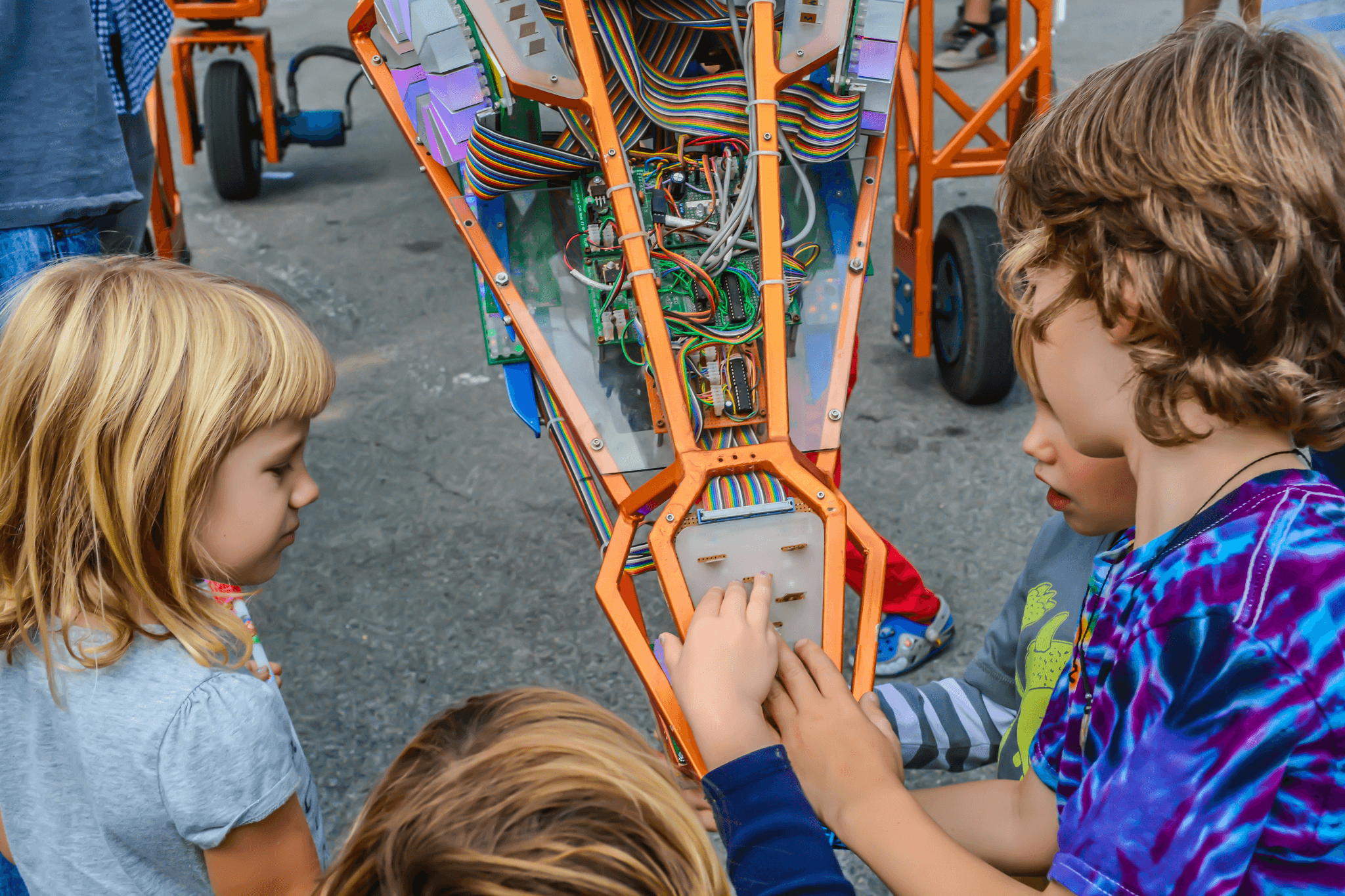
In wrapping up our exploration of Electric Toys Quality Control, it’s clear that a robust quality assurance framework is not just beneficial but essential for ensuring the safety and reliability of electric toys. The emphasis on quality testing services cannot be overstated; these services play a critical role in identifying potential hazards before products reach consumers. Moreover, the meticulous testing of materials used in toy production ensures that we’re not just meeting standards but exceeding them for the safety of our children.
Key Takeaways on Electric Toys Quality Control
First and foremost, Electric Toys Quality Control is about more than compliance; it's about safeguarding the well-being of children who engage with these products daily. Understanding the key components—such as rigorous testing protocols and adherence to industry standards—can significantly enhance product reliability. Additionally, companies must actively seek to integrate quality testing services into every stage of production, from design to final inspection, to mitigate risks effectively.
Future Trends in Quality Testing Services
Looking ahead, we can anticipate significant advancements in quality testing services that will further elevate Electric Toys Quality Control practices. Innovations such as artificial intelligence and machine learning are poised to revolutionize how we approach material testing and defect detection. As technology evolves, expect more streamlined processes that not only enhance efficiency but also ensure comprehensive safety assessments for new materials being introduced into electric toys.
Importance of Continuous Quality Improvement
Finally, continuous quality improvement is vital in maintaining high standards within Electric Toys Quality Control. The landscape of consumer expectations and regulatory requirements is ever-changing; thus, companies must commit to ongoing evaluation and enhancement of their quality assurance practices. By fostering a culture that prioritizes feedback loops and adaptive strategies, manufacturers can ensure they remain at the forefront of safety while delivering exceptional products for children everywhere.