
Introduction
In the world of importing, maintaining high standards of quality is not just a luxury; it’s a necessity. This is where AQL (Acceptable Quality Level) guidelines come into play, acting as a beacon for businesses striving to control the quality of their products. By understanding AQL and its importance, companies can set themselves up for success in an increasingly competitive marketplace.
Understanding AQL and Its Importance
AQL serves as a critical benchmark in quality control, allowing businesses to define acceptable levels of defects in their products. This systematic approach helps organizations manage risks associated with poor quality and ensures that they consistently meet customer expectations. By implementing AQL sampling techniques, companies can effectively monitor and control the quality throughout the production process.
The Role of Quality Control in Importing
Quality control is the backbone of any successful importing operation, ensuring that products meet specified standards before they reach consumers. Effective quality checks not only prevent costly returns and complaints but also enhance brand reputation by delivering reliable products to market. In essence, robust quality control practices are essential for safeguarding investments and fostering long-term customer relationships.
Overview of AQL Guidelines
AQL guidelines provide a structured framework for conducting thorough quality inspections during various stages of production and shipping. These guidelines help organizations determine sample sizes and acceptable defect rates based on specific criteria tailored to their industry needs. By adhering to these standards, businesses can streamline their processes while ensuring that they maintain high levels of product integrity.
What is AQL?
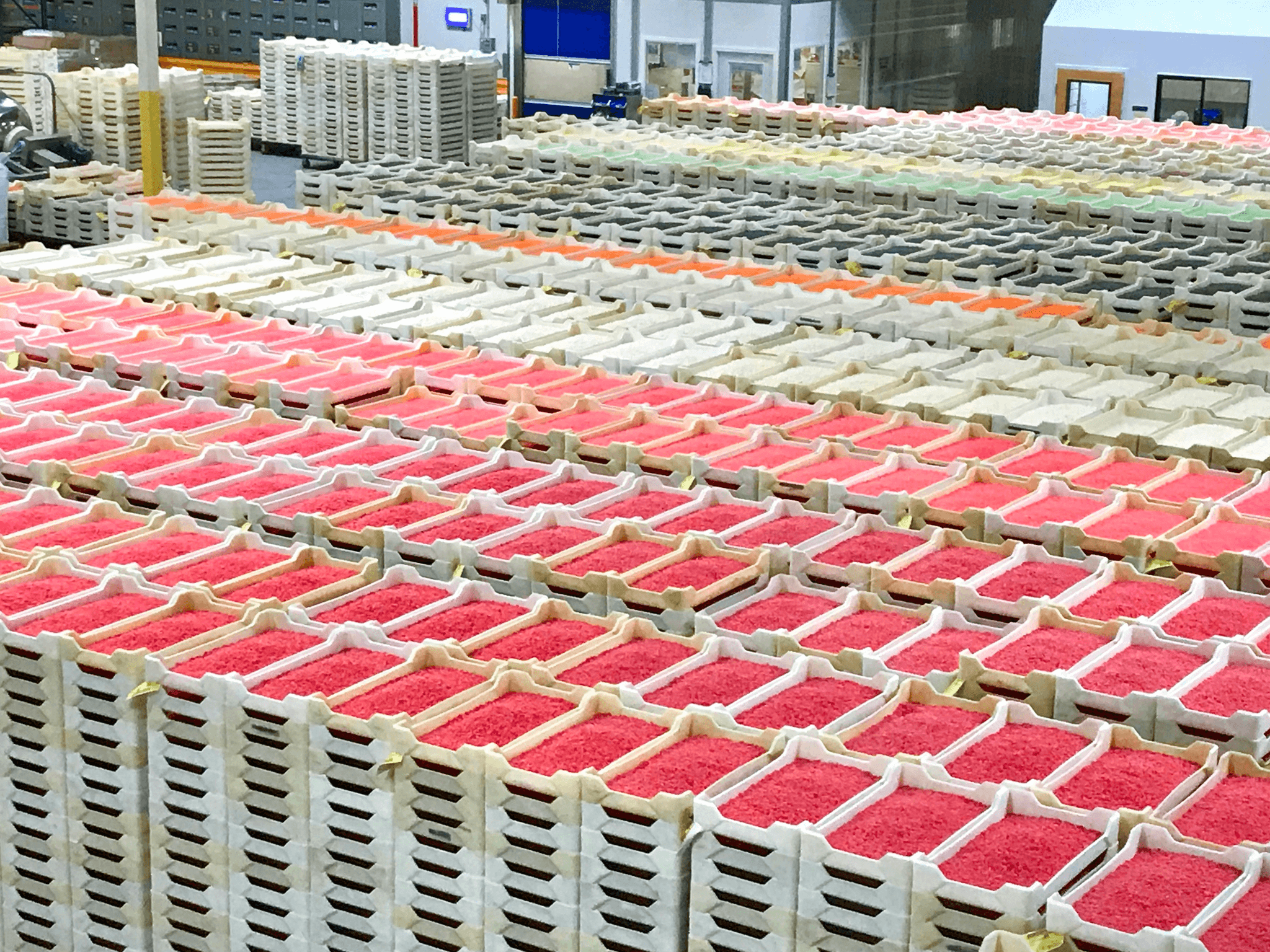
In the realm of quality control, AQL, or Acceptable Quality Level, plays a pivotal role in ensuring products meet specified standards. It serves as a benchmark that helps businesses control the quality of their goods during production and before shipment. Understanding AQL guidelines is essential for any organization aiming to maintain high-quality standards while managing costs effectively.
Defining AQL and Its Purpose
AQL is essentially a statistical measurement used to determine the maximum number of defective items considered acceptable in a sample batch. Its primary purpose is to provide manufacturers and importers with a clear framework for quality inspection, allowing them to control the quality of their products efficiently. By establishing an acceptable threshold for defects, companies can minimize risks while ensuring customer satisfaction.
How AQL Sampling Works
AQL sampling involves selecting random samples from a larger batch to assess its overall quality without inspecting every single item. This method saves time and resources while still providing an accurate representation of product quality through systematic checks based on predefined criteria. The process typically follows specific AQL guidelines that dictate how many items should be inspected and what constitutes an acceptable level of defects.
Importance of AQL in Quality Inspections
The importance of AQL in quality inspections cannot be overstated; it acts as a safeguard against poor-quality products reaching consumers and damaging brand reputation. By adhering to established AQL guidelines, businesses can ensure that they consistently deliver high-quality goods while minimizing waste and costs associated with returns or recalls. Ultimately, effective use of AQL sampling enhances the overall integrity of the supply chain, fostering trust between manufacturers and consumers alike.
Setting Up Your Quality Control Process
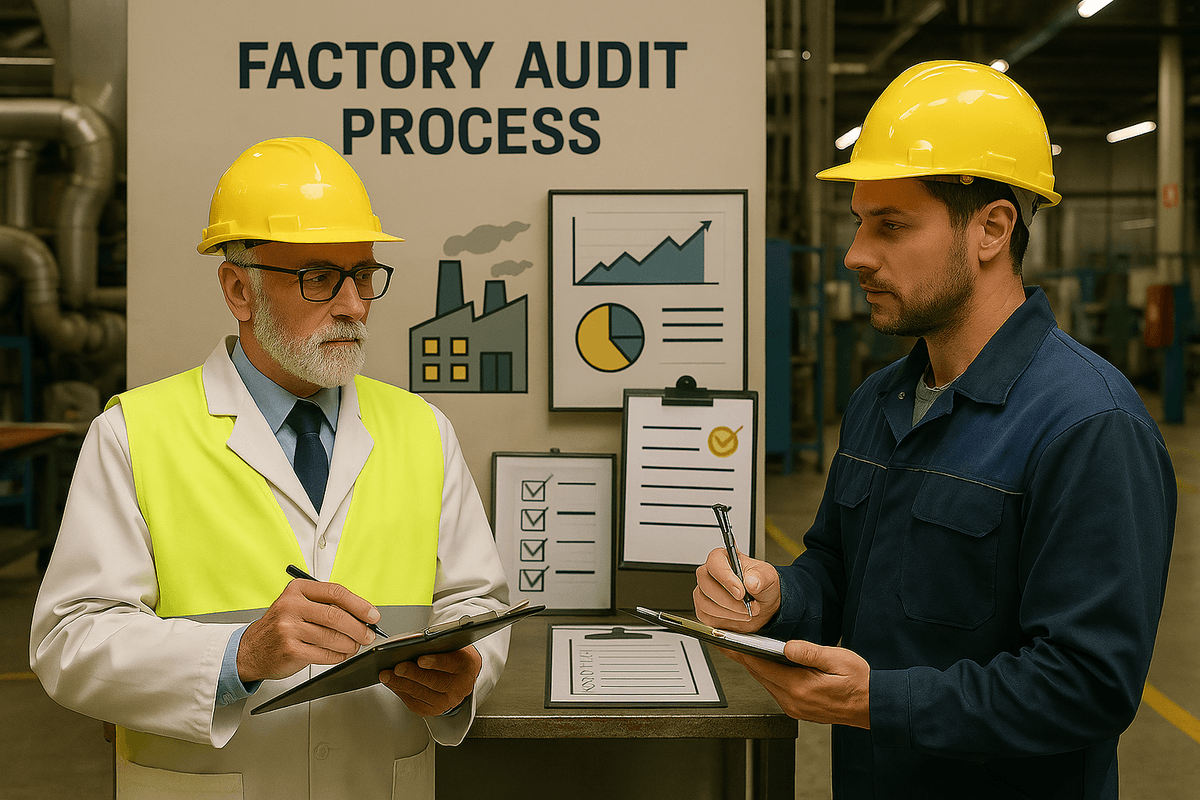
Establishing a solid quality control process is essential for any business that seeks to maintain high standards in its products. This involves creating clear quality standards that align with your company's goals and customer expectations. By defining what constitutes acceptable quality, you lay the groundwork for effective quality inspections and ensure that everyone involved in the production process understands the benchmarks they need to meet.
Establishing Quality Standards
Quality standards serve as the foundation for your entire quality control system, guiding every aspect of production and inspection. When setting these standards, it’s crucial to consider factors such as industry regulations, customer requirements, and market trends. By establishing clear and measurable criteria, you empower your team to control the quality effectively and make informed decisions during the quality inspection process.
To develop these standards, engage with stakeholders across various departments—such as production, sales, and customer service—to gather insights on what defines product excellence. Additionally, benchmarking against competitors can provide valuable context for setting realistic yet ambitious goals. Remember that these standards should be revisited regularly to adapt to changes in technology or consumer preferences.
Implementing AQL Guidelines Effectively
Once your quality standards are established, it’s time to implement AQL guidelines effectively within your organization. AQL sampling allows you to determine acceptable levels of defects in a batch of products by providing a statistical framework for inspections. This method not only streamlines the quality check process but also helps identify potential issues before they escalate into larger problems.
To implement AQL guidelines successfully, first ensure that all team members understand how AQL sampling works and why it's vital for maintaining product integrity. Regular training sessions can reinforce these concepts while introducing new methods or tools that enhance efficiency in conducting inspections. Moreover, integrating AQL guidelines into existing workflows will create a seamless approach to controlling quality throughout all stages of production.
Tracking compliance with AQL guidelines is equally important; this can be achieved through regular audits or performance reviews focused on defect rates over time. By fostering an environment where adherence to these guidelines is prioritized, you’ll cultivate a culture of accountability around product quality within your team.
Training Your Team for Quality Checks
Training is an indispensable component of any effective quality control strategy; without it, even the best systems can falter under pressure. To ensure your team excels at conducting thorough quality checks based on established standards and AQL guidelines, invest time into comprehensive training programs tailored specifically for their roles in the inspection process.
These training sessions should cover not only technical skills related to specific tools used during inspections but also emphasize the importance of attention to detail and critical thinking when assessing product integrity. Encouraging open communication about challenges faced during inspections will also help foster a collaborative atmosphere where continuous improvement becomes second nature among team members.
As part of ongoing development efforts, consider implementing mentorship programs where experienced employees guide newcomers through real-world scenarios involving quality control challenges they may encounter on the job site—this hands-on approach reinforces learning while building camaraderie within teams dedicated to upholding high-quality standards across all products.
Conducting Effective Quality Inspections
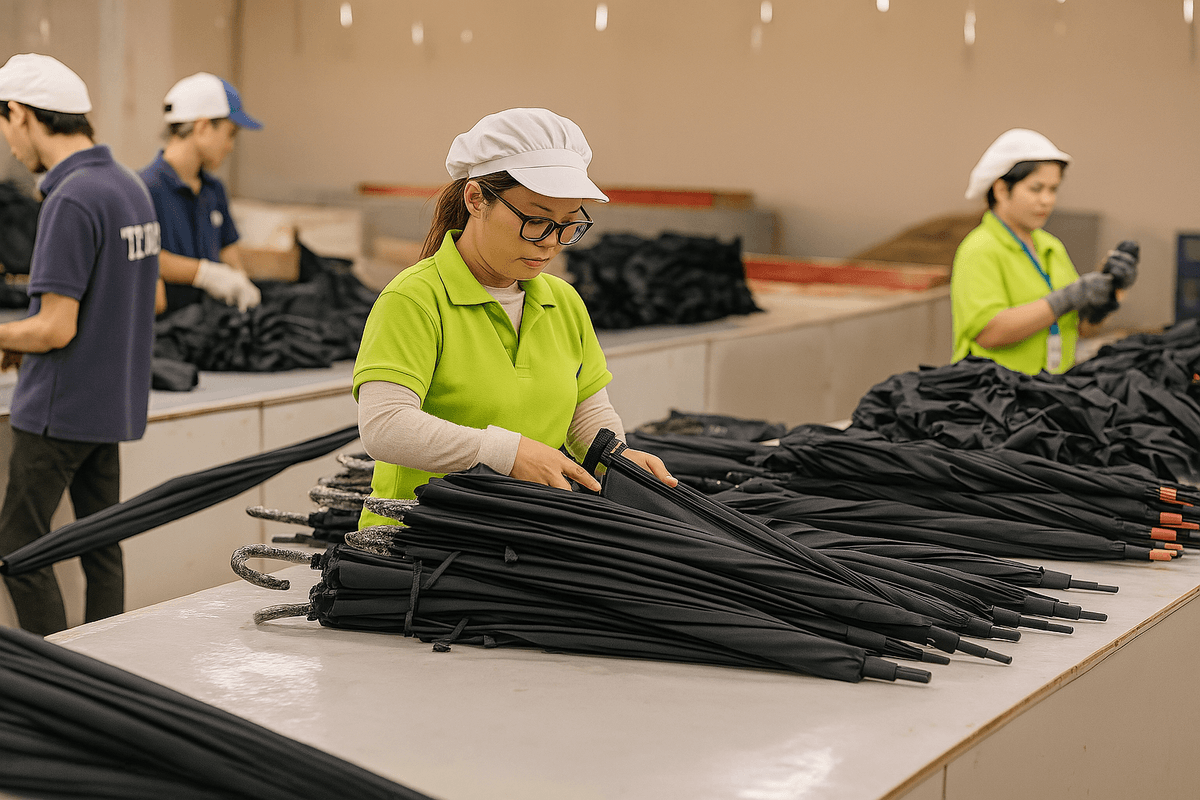
When it comes to ensuring that products meet the desired standards, conducting effective quality inspections is paramount. This process not only helps control the quality of goods but also aligns with AQL guidelines, making sure that businesses can confidently move forward with their imports. By implementing a systematic approach to quality inspection, companies can mitigate risks and enhance customer satisfaction.
Steps in the Quality Inspection Process
The quality inspection process begins with defining clear criteria based on AQL guidelines. This means identifying what constitutes an acceptable level of quality for your products, which can vary depending on industry standards and customer expectations. Once these parameters are established, you’ll proceed with a thorough sampling plan; this is where AQL sampling comes into play—ensuring that a representative sample is chosen for inspection.
Following the selection of samples, actual inspections occur in several phases: visual checks for defects, functional testing, and measurements against specifications. It's crucial to document findings meticulously during this stage to provide transparency and traceability in your quality control efforts. Finally, based on the results of these inspections, decisions must be made about whether to accept or reject shipments—this step is critical in controlling the overall quality of your product line.
Tools and Techniques for Quality Control
In today’s fast-paced market, having the right tools and techniques at your disposal can significantly enhance your quality control processes. From digital calipers to specialized software programs designed for tracking defects and analysis, leveraging technology can streamline inspections while ensuring adherence to AQL guidelines. Visual aids like checklists or flowcharts also play a pivotal role in guiding teams through each step of their quality check.
Moreover, employing statistical methods such as control charts or Pareto analysis allows organizations to identify trends over time and pinpoint recurring issues that may affect product integrity. These techniques not only help control and maintain quality but also facilitate continuous improvement within your operations. Ultimately, investing in robust tools will empower your team to conduct more effective inspections while adhering closely to established AQL sampling protocols.
Choosing the Right Quality Control Partners
Selecting the right partners for your quality control efforts is akin to finding gold among rocks—it requires due diligence and foresight! When evaluating potential QC partners, consider their experience with AQL guidelines as well as their reputation within the industry for reliability and accuracy in conducting quality inspections. Look for organizations that demonstrate a commitment to upholding high standards through certifications or proven track records.
Additionally, communication plays an essential role; you want partners who are transparent about their processes and willing to collaborate closely with your team throughout all stages of production and inspection. Establishing strong relationships with qualified QC partners not only enhances product reliability but also fosters confidence among stakeholders regarding how well you manage product quality overall.
Navigating Challenges in Quality Management

In the complex world of quality management, navigating challenges is crucial for maintaining high standards. Quality control issues can arise at any stage of the production process, impacting both product integrity and customer satisfaction. Understanding these challenges is the first step toward effectively controlling quality and ensuring compliance with AQL guidelines.
Common Quality Control Issues
One prevalent issue in quality control is inconsistency in product quality, often stemming from variations in raw materials or manufacturing processes. This inconsistency can lead to products that fail to meet established quality standards, necessitating rigorous quality inspections to identify flaws before they reach consumers. Another common challenge is insufficient training of personnel responsible for conducting quality checks; without proper training on AQL sampling techniques and inspection protocols, mistakes are likely to occur.
Additionally, communication gaps between suppliers and manufacturers can result in misunderstandings regarding quality expectations. When teams are not aligned on what constitutes acceptable quality control measures, it becomes challenging to uphold standards consistently. These common issues highlight the importance of a well-structured approach to controlling the quality throughout the supply chain.
Strategies to Overcome Quality Challenges
To overcome these challenges, implementing robust training programs for staff involved in quality inspections is essential. By familiarizing your team with AQL guidelines and best practices for conducting thorough inspections, you empower them to identify defects proactively during the production process. Regular workshops or refresher courses can significantly enhance their skills and confidence in performing effective quality checks.
Another strategy involves fostering open lines of communication among all stakeholders involved in production—this includes suppliers, manufacturers, and internal teams. Establishing clear expectations around product specifications helps eliminate confusion and ensures that everyone understands their role in maintaining high-quality standards according to established AQL sampling methods. Moreover, utilizing technology such as automated inspection tools can streamline processes and reduce human error during inspections.
Finally, conducting regular audits of your quality management system allows you to pinpoint areas needing improvement while reinforcing a culture of accountability within your organization. These audits will help you continuously adapt your strategies based on real-time data about performance against AQL guidelines.
The Impact of Poor Quality on Your Business
The ramifications of poor-quality control extend far beyond immediate financial losses; they can tarnish brand reputation and erode customer trust over time. When products fail to meet expectations due to inadequate adherence to AQL guidelines or ineffective inspection processes, customers may seek alternatives from competitors who prioritize superior quality control measures instead. This shift not only affects sales but also increases marketing costs associated with rebuilding brand loyalty.
Moreover, addressing complaints related to poor-quality products consumes valuable resources that could be better spent enhancing overall operational efficiency or innovating new offerings within your business model—thus stifling growth opportunities over time if left unchecked! Ultimately investing time into refining your approach towards controlling the overall product's quality will yield dividends by minimizing risks associated with non-compliance while fostering long-term relationships built on trust with clients who value excellence above all else.
Leveraging Professional Services

In the world of quality control, the stakes are high. Partnering with experts can be a game changer for businesses looking to maintain and enhance their product quality using AQL guidelines. By leveraging professional services, companies can ensure that they not only meet but exceed industry standards in quality inspection.
Benefits of Partnering with Experts
When it comes to controlling the quality of products, tapping into the expertise of seasoned professionals offers numerous advantages. For starters, these experts bring years of experience in implementing effective AQL sampling techniques that optimize your quality check processes. Additionally, partnering with professionals helps mitigate risks associated with poor product quality, allowing your business to focus on growth while they handle the intricacies of quality control.
Moreover, expert partners often have access to advanced tools and methodologies that streamline quality inspections and enhance overall efficiency. They can provide tailored solutions that fit your specific needs while ensuring compliance with established AQL guidelines. Ultimately, this collaboration not only saves time and resources but also boosts customer satisfaction through consistent product excellence.
How China Inspection Pro Enhances Quality Control
China Inspection Pro stands out as a leader in the field of quality control by offering comprehensive services designed to meet diverse business needs. With their expertise in AQL sampling and rigorous quality inspection processes, they help businesses effectively control and manage product quality from start to finish. Their team is well-versed in the latest industry standards and practices, ensuring that clients receive top-notch service aligned with AQL guidelines.
One key aspect of China Inspection Pro’s approach is their emphasis on proactive communication throughout the inspection process. This transparency allows businesses to address potential issues before they escalate, minimizing disruptions in production timelines or supply chains. Additionally, their commitment to continuous improvement means they regularly update their methodologies based on emerging trends and client feedback—keeping your operations ahead of the curve.
Case Studies of Successful Quality Management
To illustrate the effectiveness of expert partnerships in enhancing quality control, consider a case study involving a mid-sized electronics manufacturer struggling with inconsistent product defects due to inadequate internal checks. By collaborating with China Inspection Pro and implementing robust AQL guidelines into their processes, this company saw a marked reduction in defect rates within just three months.
Another example involves a fashion retailer facing challenges maintaining consistent fabric standards across international suppliers. By engaging professional inspectors who specialize in textile assessments using precise AQL sampling methods, they were able to improve supplier relationships while ensuring compliance with stringent quality checks—leading to increased customer satisfaction rates.
These case studies highlight how leveraging professional services can transform your approach to managing control and quality within your organization—ultimately driving success through superior product offerings.
Conclusion
In wrapping up our discussion on AQL and quality control, it's clear that understanding AQL guidelines is crucial for any business looking to maintain high standards in their products. Quality control isn’t just a checkbox; it’s a continuous commitment to excellence that can significantly impact your brand's reputation. By implementing effective quality inspection processes and adhering to AQL sampling, you can ensure that your products meet the expected quality benchmarks.
Key Takeaways on AQL and Quality Control
One of the most important takeaways is that AQL guidelines serve as a foundation for establishing robust quality control measures. They help businesses define acceptable levels of defects, allowing for efficient quality checks without compromising overall product integrity. Remember, effective quality control not only protects your brand but also enhances customer satisfaction by consistently delivering high-quality products.
Tips for Continuous Quality Improvement
To foster an environment of continuous improvement, regularly revisit and refine your quality control processes based on feedback and inspection results. Training your team in the nuances of AQL sampling can lead to more accurate assessments during quality inspections, ultimately helping you control the quality of your outputs better. Additionally, embracing technology can streamline these processes—think automation tools that assist with data collection and analysis to pinpoint areas needing enhancement.
Final Thoughts on Managing Product Quality
Managing product quality is an ongoing journey rather than a destination; it requires vigilance, adaptability, and a proactive approach to challenges as they arise in the realm of quality control. Utilize insights from past inspections to inform future strategies—after all, knowledge is power when it comes to controlling the quality of what you deliver. By prioritizing adherence to established AQL guidelines and fostering a culture focused on excellence within your organization, you set yourself up not just for survival but thriving in today’s competitive market.