
Introduction
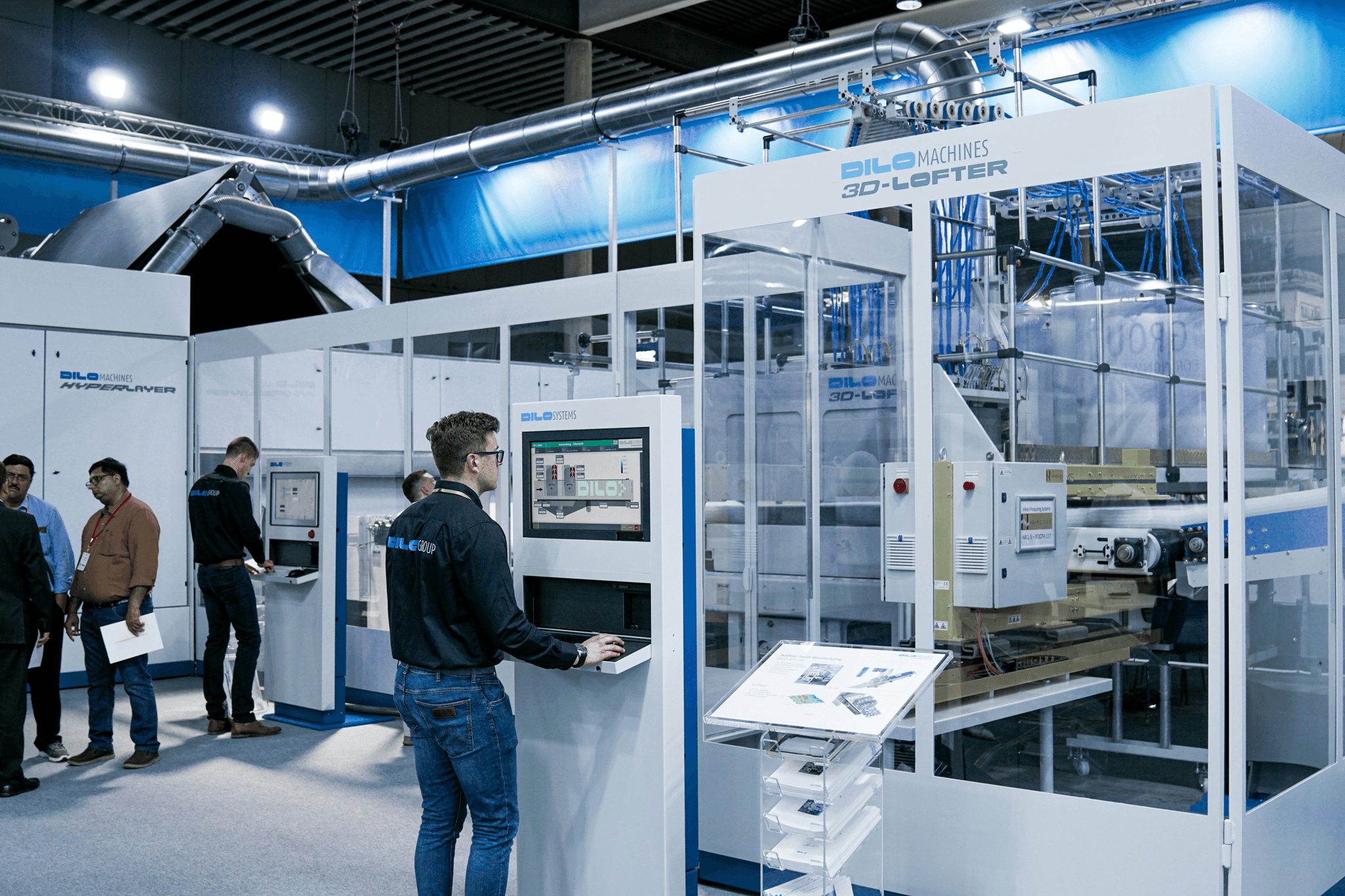
In today's competitive landscape, businesses are increasingly recognizing the significance of quality control inspection as a cornerstone of operational excellence. But what is quality control inspection? It involves systematic processes that ensure products meet specified standards and requirements, ultimately safeguarding the integrity of a brand. By implementing effective quality assurance practices, organizations can not only enhance their product offerings but also build a loyal customer base.
Understanding Quality Control Inspection
Quality control inspection is a meticulous process that evaluates various aspects of production to ensure compliance with established standards. This practice is crucial in differentiating between quality control and quality assurance; while the former focuses on identifying defects in finished products, the latter emphasizes preventing defects throughout the production process. Understanding this distinction helps businesses implement strategies that improve overall quality and control, leading to superior outcomes.
Importance of Quality Assurance Practices
Quality assurance is not just an afterthought—it's integral to business success in any industry. By prioritizing quality assurance quality, companies can proactively address potential issues before they escalate into costly problems or customer dissatisfaction. Moreover, effective quality assurance practices foster trust among consumers and stakeholders alike, reinforcing a company’s reputation for reliability.
Key Benefits of Effective Quality Control
Implementing robust quality control measures offers numerous advantages that extend beyond mere compliance with regulations. For one, it significantly reduces risks associated with product failures or recalls, which can be detrimental to both finances and brand image. Additionally, effective quality control fosters continuous improvement within organizations by encouraging feedback loops that enhance both product development and customer satisfaction, showcasing how intertwined quality and control truly are.
Defining Quality Control Inspection

Quality control inspection is a critical process that ensures products meet specified standards and requirements before they reach consumers. It encompasses various activities, including examining materials, components, and finished goods to identify defects or deviations from quality benchmarks. Understanding what quality control inspection entails is essential for businesses aiming to enhance their overall quality assurance practices.
What Quality Control Inspection Entails
At its core, quality control inspection involves systematic processes designed to evaluate the quality of products at different stages of production. This includes visual inspections, measurements, and functional tests to ensure that every item meets established specifications. By implementing robust quality control measures, businesses can significantly reduce the likelihood of defective products reaching customers and maintain a strong reputation in the market.
Quality control inspection isn't just about catching errors; it’s also about fostering a culture of continuous improvement within manufacturing processes. Regular inspections provide valuable feedback that can lead to enhancements in production methods and materials used. Consequently, this proactive approach directly contributes to the broader framework of quality assurance by ensuring that both product integrity and customer satisfaction are prioritized.
Differences Between Quality Control and Quality Assurance
While many use the terms quality control and quality assurance interchangeably, they represent distinct concepts within the realm of product management. Quality control focuses on identifying defects in finished products through testing and inspection processes—essentially answering the question: “Did we make it right?” In contrast, quality assurance emphasizes preventing defects during production by establishing comprehensive systems and protocols—addressing whether “we made the right thing.”
Understanding these differences is crucial for businesses looking to implement effective strategies for maintaining high-quality standards. By integrating both quality control techniques with robust quality assurance practices, organizations can create a more holistic approach to managing product excellence. This synergy between quality and quality assurance not only enhances operational efficiency but also boosts customer confidence in brand reliability.
The Role of Quality Control in Manufacturing
In manufacturing settings, effective quality control plays a pivotal role in ensuring that products are produced consistently at high standards while minimizing waste and rework costs. It acts as a safety net that catches potential issues before they escalate into significant problems down the line—ensuring compliance with industry regulations while safeguarding brand reputation. The importance of integrating rigorous quality control measures cannot be overstated; they form an integral part of any successful manufacturing strategy.
Moreover, establishing clear protocols for conducting regular inspections allows manufacturers to maintain transparency throughout their operations—a key factor in building trust with stakeholders and customers alike. By prioritizing both quality and control through meticulous oversight during production processes, manufacturers can achieve higher levels of efficiency while reducing risks associated with poor-quality outputs. Ultimately, this commitment to excellence translates into enhanced customer satisfaction as consumers receive reliable products tailored to their needs.
The Quality Control Process
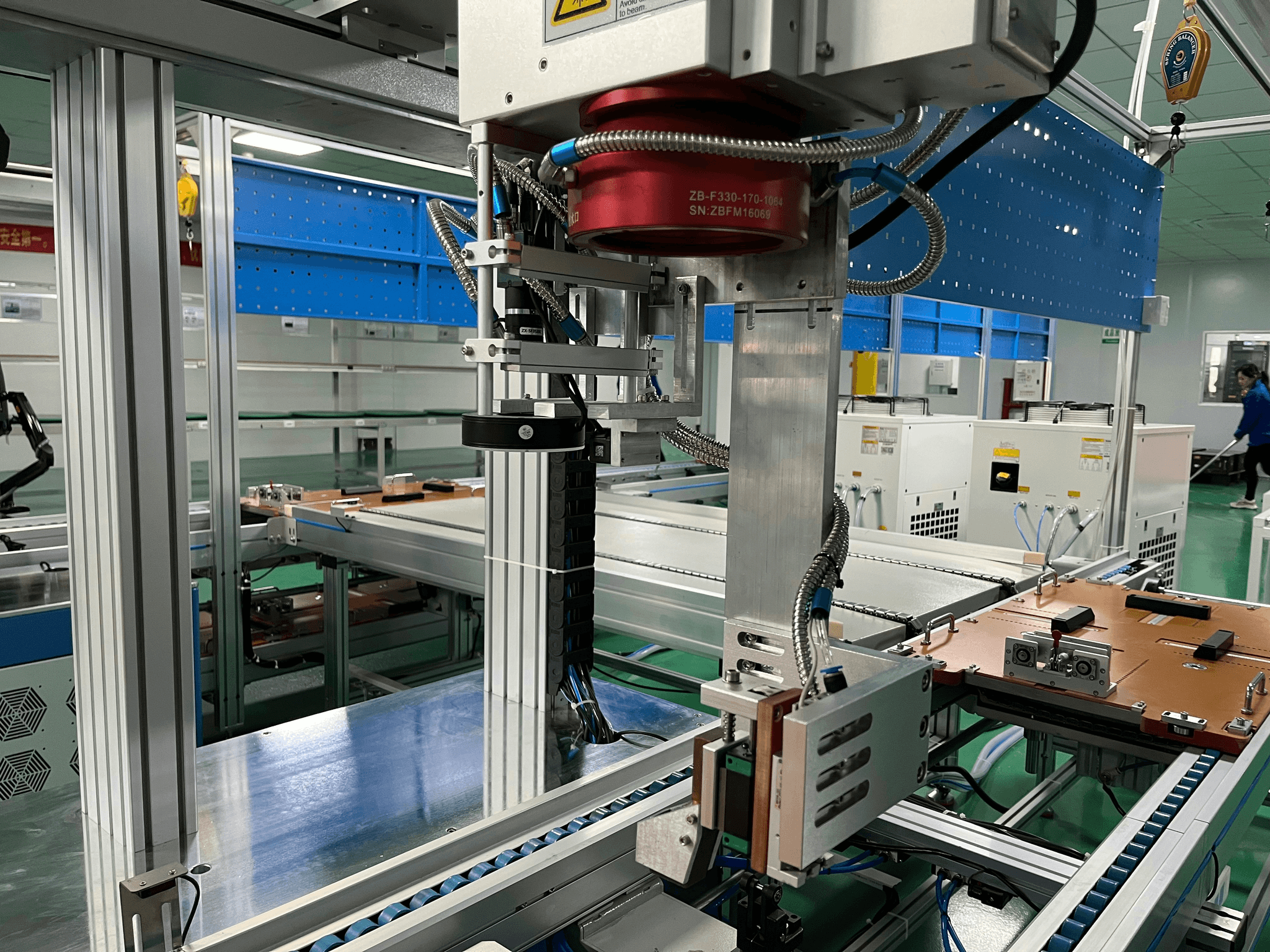
Quality control is a systematic approach that ensures products meet specified requirements and standards. It encompasses various processes aimed at identifying defects and ensuring quality assurance throughout the manufacturing cycle. Understanding how to effectively implement quality control can significantly enhance overall product quality and customer satisfaction.
Steps Involved in Quality Inspection
The first step in quality inspection is defining the criteria for what constitutes acceptable quality. This involves setting clear standards based on customer expectations, regulatory requirements, and industry benchmarks. Next, the actual inspection process is carried out, which may include visual checks, measurements, and testing to assess whether products meet these predefined standards.
After inspection, it’s crucial to document findings meticulously; this documentation serves as a critical reference for future quality assurance efforts. If any issues are identified during the inspection, corrective actions should be implemented promptly to address these deficiencies before products reach the market. This continuous feedback loop between quality control and production not only enhances product integrity but also fosters a culture of accountability within the organization.
Tools Used in Quality Control
Quality control relies on various tools designed to facilitate effective inspections and ensure compliance with established standards. Common tools include calipers for precise measurements, gauges for assessing dimensions, and statistical software for analyzing data trends related to defects or failures. Additionally, visual aids like checklists can streamline inspections by providing inspectors with clear criteria against which they can evaluate product quality.
Another valuable tool in the arsenal of quality assurance is Six Sigma methodologies that focus on reducing variability and improving process efficiency through data-driven decision-making. These methodologies help organizations identify root causes of defects while promoting a proactive approach toward maintaining consistent quality levels across all production stages. By leveraging these tools effectively, companies can achieve higher standards of quality control while minimizing risks associated with poor-quality products.
Best Practices for Effective Quality Control
To ensure robust quality control practices are in place, organizations should prioritize staff training as part of their strategy—well-trained employees are more adept at identifying potential issues early in the production process. Regular audits should also be conducted to assess compliance with established procedures; these audits help reinforce accountability within teams while identifying areas needing improvement or adjustment.
Incorporating technology into the quality control process can further enhance effectiveness; automation tools can speed up inspections while reducing human error rates significantly. Moreover, fostering open communication channels between different departments encourages collaboration focused on achieving shared goals related to product excellence—this synergy ultimately leads to improved outcomes regarding both quality assurance and customer satisfaction.
In summary, understanding what is quality control inspection involves recognizing its integral role within broader manufacturing processes aimed at ensuring high-quality outputs consistently over time.
Importance of Quality Assurance

Quality assurance is a cornerstone of successful businesses, influencing everything from operational efficiency to customer loyalty. By implementing robust quality assurance practices, companies can ensure that their products meet high standards consistently. This not only enhances brand reputation but also drives profitability through reduced waste and rework.
How Quality Assurance Impacts Business Success
What is quality control inspection if not a vital part of quality assurance? Effective quality assurance processes lead to streamlined operations, minimizing errors and inefficiencies that can drain resources. When businesses prioritize quality and control, they often see increased productivity, which directly correlates with enhanced business success.
Moreover, investing in quality assurance helps organizations stay competitive in their respective markets. Companies that embrace quality and quality assurance are better equipped to adapt to changing consumer demands and industry trends. This adaptability fosters resilience and long-term growth, making it imperative for businesses to integrate comprehensive quality control measures into their strategies.
The Relationship Between Quality and Customer Satisfaction
The relationship between quality and customer satisfaction cannot be overstated; after all, customers expect nothing less than excellence when they make a purchase. Quality assurance plays a pivotal role in ensuring that products not only meet but exceed customer expectations. When customers receive high-quality products consistently, their trust in the brand strengthens, leading to repeat purchases and positive word-of-mouth referrals.
Additionally, effective quality management fosters transparency within the production process—customers appreciate knowing that their chosen brands prioritize both product integrity and safety. By focusing on what is quality control inspection as part of broader quality assurance efforts, companies create an environment where customer feedback is valued and acted upon swiftly. This proactive approach leads to higher satisfaction rates and ultimately contributes to a loyal customer base.
Reducing Risks Through Quality Assurance
One of the most significant advantages of implementing strong quality assurance practices is risk reduction across various business facets. With rigorous inspections in place—what is quality control inspection if it doesn’t mitigate potential pitfalls?—companies can identify issues before they escalate into costly problems or product recalls.
Furthermore, investing in comprehensive training for employees about the importance of both quality control and overall workplace safety enhances risk management strategies significantly. By fostering a culture where everyone understands the significance of maintaining high-quality standards, organizations can minimize human error—a common source of risk in many industries today. Ultimately, effective quality assurance translates into fewer incidents that could harm both reputation and finances.
Quality Control Standards

Quality control standards are essential benchmarks that guide organizations in maintaining excellence in their products and services. These standards ensure consistency, reliability, and safety across various industries, ultimately enhancing customer satisfaction. By adhering to established quality control standards, businesses can streamline operations and mitigate risks associated with poor quality.
Understanding ISO 9001 and Its Importance
ISO 9001 is one of the most recognized quality management standards globally, focusing on the principles of quality assurance and continuous improvement. It outlines a framework for organizations to enhance their processes, ensuring that they consistently meet customer requirements while complying with regulatory demands. Understanding ISO 9001 is crucial for any business looking to improve its quality control inspection practices; it serves as a foundation for implementing effective quality assurance strategies.
The importance of ISO 9001 cannot be overstated; it not only boosts operational efficiency but also builds trust with customers by demonstrating a commitment to quality and control. Furthermore, achieving ISO certification can differentiate a company from its competitors by showcasing its dedication to maintaining high-quality standards. In an increasingly competitive market, having robust quality assurance practices aligned with ISO 9001 can lead to significant business success.
Industry-Specific Quality Standards
Different industries have unique requirements when it comes to quality control inspection practices; thus, industry-specific standards have emerged over time. For example, the automotive sector relies on IATF 16949, while the food industry adheres to HACCP guidelines—both of which focus on ensuring safety and reliability in their respective fields. These tailored standards address specific challenges within each industry, ensuring that businesses can effectively implement quality assurance measures relevant to their operations.
Understanding these industry-specific quality standards is vital for companies aiming to enhance their overall performance through effective quality control measures. Compliance with these regulations not only ensures product safety but also fosters consumer confidence in brands that prioritize high-quality products and services. Ultimately, aligning business practices with these specialized standards enhances overall operational excellence while minimizing risks associated with non-compliance.
Compliance and Regulatory Requirements
Compliance with regulatory requirements is a critical aspect of any successful quality assurance strategy; it ensures that organizations meet legal obligations while maintaining high-quality products or services. Different regions may have varying regulations governing specific industries; therefore, staying informed about local compliance requirements is crucial for businesses operating globally or across state lines. Adhering to these regulations not only mitigates risks but also reinforces a company's reputation as a reliable provider committed to upholding the highest standards of quality.
Incorporating compliance into your overall approach toward quality control helps create an environment where continuous improvement thrives alongside adherence to laws and regulations governing your industry. Additionally, understanding what constitutes compliance enables organizations to implement effective training programs focused on both employees' responsibilities regarding product safety and internal processes aimed at enhancing overall efficiency in production cycles related to what is quality control inspection practices used within the organization itself.
By integrating compliance into your organization's culture alongside robust systems for monitoring adherence levels among staff members responsible for executing these processes daily will lead ultimately towards achieving desired outcomes regarding enhanced performance metrics tied closely back towards improved customer satisfaction rates stemming directly from superior levels achieved throughout all facets involving both 'quality' & 'quality assurance' initiatives put forth strategically over time!
Choosing a Quality Control Provider

Selecting the right quality control provider is crucial for any business aiming to maintain high standards in production and service delivery. When evaluating potential partners, it's essential to consider their expertise in quality assurance practices, their understanding of industry-specific requirements, and their ability to adapt to your unique needs. After all, effective quality control not only safeguards your products but also enhances customer satisfaction and loyalty.
What to Look for in a Quality Control Partner
When searching for a quality control partner, it's vital to assess their experience and track record in quality assurance. A reputable provider should have a strong portfolio demonstrating successful quality control outcomes across various industries. Moreover, ensure they employ modern techniques and tools that align with the latest trends in quality and control; this will help you stay ahead of competitors while ensuring compliance with regulatory standards.
Additionally, communication is key when working with a quality control partner. Look for providers who prioritize transparency and collaboration throughout the inspection process. This will not only foster trust but also facilitate quick resolution of any issues that may arise during production.
The Role of China Inspection Pro in Quality Control
China Inspection Pro stands out as a leading player in the realm of quality control services, particularly for businesses sourcing products from China. They specialize in comprehensive inspections that ensure adherence to international standards while addressing specific client needs related to quality assurance. Their team is well-versed in what is quality control inspection and employs rigorous methodologies to guarantee product integrity before shipment.
Moreover, China Inspection Pro offers tailored solutions across various industries, making them an adaptable choice for businesses looking for effective quality control measures. They emphasize continuous improvement through feedback loops that help refine processes over time—an essential aspect of achieving superior quality assurance results.
By partnering with China Inspection Pro, companies can confidently navigate the complexities associated with overseas manufacturing while maintaining high-quality standards throughout the supply chain.
Evaluating the Effectiveness of Quality Control Services
To determine if your chosen provider delivers effective quality control services, establish clear metrics based on your business goals related to both product performance and customer satisfaction levels. Regularly review inspection reports and performance data; this will provide insights into whether they meet established benchmarks regarding what is quality control inspection or if adjustments are necessary.
Another critical aspect is obtaining feedback from your team about their interactions with the provider; this includes communication efficiency and responsiveness during inspections or inquiries about issues encountered post-inspection. A solid partnership should feel collaborative rather than transactional—if it doesn’t, it may be time to reassess your options.
Finally, keep an eye on industry trends regarding both technology advancements and best practices within the realm of quality assurance; staying informed will empower you as you evaluate ongoing effectiveness within your chosen partnerships focused on maintaining exceptional levels of both product safety and customer satisfaction.
Conclusion

In the realm of manufacturing and service delivery, understanding what is quality control inspection is paramount. Quality control not only ensures that products meet established standards but also fosters a culture of continuous improvement within organizations. The long-term benefits of implementing effective quality control practices can lead to enhanced operational efficiency, reduced costs, and increased customer loyalty.
The Long-Term Benefits of Quality Control
Quality control serves as a backbone for sustainable business practices, allowing companies to maintain consistency in their offerings. By prioritizing quality assurance quality, organizations can minimize defects and rework, ultimately leading to significant cost savings over time. Moreover, when businesses invest in robust quality and control measures, they build a reputation for reliability that attracts more customers and strengthens market position.
Integrating Quality Assurance Into Business Strategy
A successful integration of quality assurance into business strategy transforms it from a mere compliance requirement into a competitive advantage. Companies that embed quality and quality assurance principles into their core operations often see improvements in productivity and employee morale. By aligning their goals with comprehensive quality control practices, these organizations can ensure that every facet of their operation contributes to overall excellence.
Future Trends in Quality and Control Practices
Looking ahead, the landscape of quality control will continue to evolve with advancements in technology and data analytics. Automation tools will play an increasingly vital role in enhancing the accuracy of what is quality control inspection processes while reducing human error. Additionally, as consumer expectations rise regarding product safety and sustainability, businesses must adapt their approach to include more stringent standards for both quality assurance and environmental impact.