
Introduction
In today's competitive landscape, understanding the quality control advantages is more crucial than ever. Quality control not only ensures that products meet specific standards but also plays a pivotal role in enhancing overall efficiency and profitability. By effectively controlling the quality, businesses can streamline processes and reduce costs, making it a cornerstone of success in the manufacturing industry.
Understanding Quality Control Advantages
Quality control advantages encompass a range of benefits that can transform an organization’s operations. Implementing ISO 9001 standards allows companies to establish a framework for consistent quality management, leading to improved products and services. When businesses prioritize control and quality, they foster an environment where excellence thrives, ultimately benefiting both employees and customers.
The Impact on Efficiency
The impact of effective quality control on efficiency cannot be overstated. By minimizing defects and ensuring that processes are standardized, organizations can significantly reduce waste and rework—key factors that drain resources. This heightened efficiency not only improves production timelines but also enhances employee morale as teams work with greater confidence in their outputs.
Enhancing Profitability Through Quality
Enhancing profitability through quality is a direct outcome of robust quality assurance services integrated into business practices. Companies that prioritize quality control in the manufacturing industry often see increased customer satisfaction, leading to repeat business and positive word-of-mouth referrals. Ultimately, investing in controlling the quality translates into financial gains as operational costs decrease and revenue streams expan
What is Quality Control?
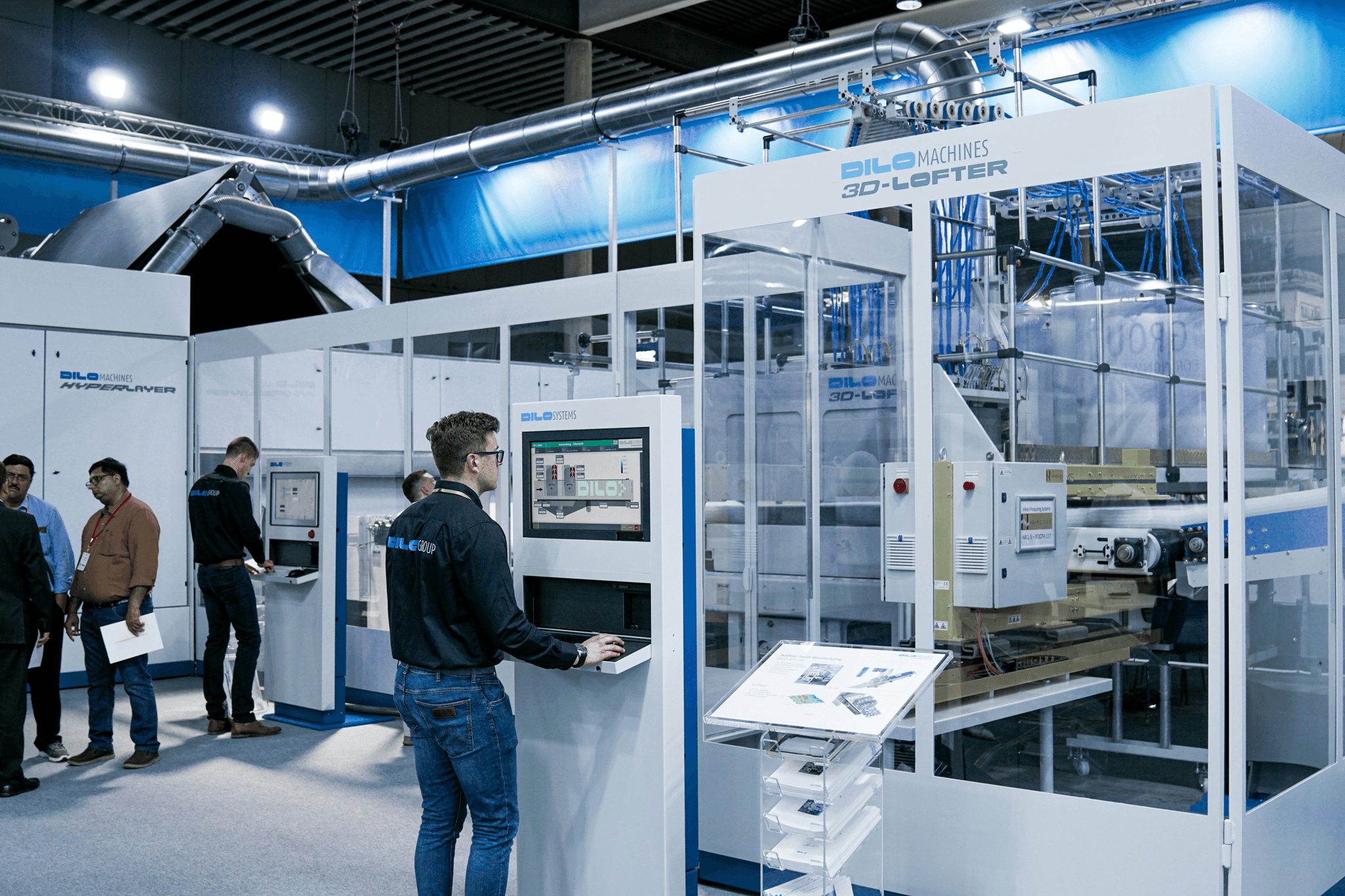
Quality control is a systematic approach to ensuring that products meet specified standards and satisfy customer expectations in the manufacturing industry. It involves a series of processes designed to monitor and maintain quality throughout production, ultimately leading to enhanced efficiency and profitability. By focusing on quality control, organizations can reap significant quality control advantages, including reduced waste, improved customer satisfaction, and increased employee morale.
Defining Quality Control in Manufacturing
In the manufacturing context, quality control refers to the procedures implemented to ensure that products are produced consistently within predetermined specifications. This includes regular inspections, testing of materials, and monitoring production processes to identify any deviations from quality standards. By establishing robust quality control measures, manufacturers can significantly reduce defects and enhance overall product reliability.
The Role of ISO 9001 Standards
ISO 9001 is an internationally recognized standard for quality management systems that provides a framework for organizations to ensure consistent product quality and service delivery. Adopting ISO 9001 standards helps companies implement effective processes for controlling and maintaining quality throughout their operations. Organizations that comply with these standards not only improve their internal processes but also gain credibility in the marketplace by demonstrating their commitment to quality assurance services.
Importance of Control the Quality
Controlling the quality of products is essential for minimizing errors and ensuring customer satisfaction in any manufacturing industry. Effective control mechanisms allow businesses to identify issues early in the production process, thus avoiding costly rework or waste later on. Ultimately, prioritizing control over quality leads to enhanced operational efficiency and can be a significant competitive advantage in today's fast-paced market.
Key Quality Control Advantages

Quality control is not just a buzzword; it’s the backbone of efficient operations and profitability in any manufacturing industry. By implementing robust quality control measures, companies can reap numerous advantages that directly impact their bottom line. From reducing waste to enhancing customer satisfaction and boosting employee morale, the quality control advantages are multifaceted and essential for sustainable growth.
Reducing Waste and Rework
One of the most significant quality control advantages lies in its ability to minimize waste and rework, which can drain resources and inflate costs. When organizations prioritize quality control, they establish effective processes that help identify defects early in production, allowing for immediate corrective action. This proactive approach not only saves time but also ensures that resources are utilized efficiently, ultimately leading to a healthier bottom line.
Moreover, adhering to ISO 9001 standards further strengthens these efforts by providing a structured framework for continuous improvement in controlling quality. By focusing on control and quality right from the start, manufacturers can significantly reduce instances of scrap materials or faulty products that require rework—an expensive endeavor that no company can afford to overlook. In essence, effective quality assurance services lead to streamlined operations where waste is minimized, creating a more sustainable manufacturing environment.
Improving Customer Satisfaction
Customer satisfaction is paramount in today's competitive market landscape; happy customers are repeat customers. Quality control plays an integral role in ensuring that products meet or exceed customer expectations consistently. By implementing rigorous quality checks throughout the production process, companies can deliver high-quality products that instill confidence in their brand.
Additionally, when businesses embrace ISO 9001 standards as part of their commitment to controlling quality, they create a culture centered around customer needs and feedback loops for continuous improvement. This dedication not only enhances product reliability but also fosters trust between consumers and producers—an invaluable asset for any business aiming for long-term success. Ultimately, improved customer satisfaction translates into increased loyalty and word-of-mouth referrals—two vital components of sustained growth.
Boosting Employee Morale
Quality control doesn't just benefit customers; it also has a profound impact on employee morale within the manufacturing industry. When employees see their organization committed to maintaining high standards through effective quality assurance services, they feel valued as contributors to overall success. This sense of ownership often leads to increased engagement and motivation among staff members who take pride in producing top-notch products.
Moreover, by reducing rework due to better control of quality processes, employees experience less frustration associated with correcting mistakes or dealing with subpar materials—a common source of dissatisfaction in many workplaces. When workers know they’re part of an organization focused on excellence through rigorous adherence to ISO 9001 principles and best practices for controlling quality, it cultivates an environment where everyone strives toward shared goals with enthusiasm.
Implementing Quality Assurance Services
Implementing quality assurance services is crucial for any organization striving to harness the quality control advantages that come with a robust system. A well-structured approach ensures that every aspect of production meets established standards, thereby enhancing efficiency and profitability. By focusing on effective strategies, businesses can significantly improve their overall operations and customer satisfaction.
Steps for Effective Quality Assurance
To kick off an effective quality assurance program, organizations should first define clear objectives aligned with ISO 9001 standards. This involves identifying key processes and establishing measurable criteria to control the quality at each stage of production. Regular training sessions for employees are also essential; they empower teams to understand both the importance of quality control and the specific methods needed to maintain it.
Next, companies should implement a systematic review process to evaluate performance against these defined objectives regularly. This includes collecting data on defects, rework rates, and customer feedback to identify areas needing improvement. By continuously refining their approach based on this analysis, organizations can enhance their quality assurance services while maximizing the benefits of quality control in manufacturing industry practices.
Integrating Quality Control in Processes
Integrating quality control into existing processes requires a strategic mindset that prioritizes continuous improvement over complacency. Organizations should adopt a holistic view where every department plays a role in maintaining high-quality standards—after all, controlling quality isn’t just a job for the production line; it’s everyone’s responsibility!
One effective method is utilizing cross-functional teams that bring together diverse skills and perspectives to tackle specific challenges related to quality control. These teams can help identify bottlenecks or inefficiencies in workflows that may lead to defects or inconsistencies in products or services offered. Ultimately, integrating these practices fosters a culture where everyone is invested in controlling and improving product quality.
Case Study: China Inspection Pro’s Approach
China Inspection Pro exemplifies how implementing tailored quality assurance services can yield substantial benefits across various industries. Their approach combines rigorous adherence to ISO 9001 standards with innovative inspection techniques designed specifically for diverse manufacturing environments. By emphasizing proactive measures rather than reactive fixes, they have successfully controlled the quality of outputs while minimizing waste and rework.
Their case study reveals how employing advanced technology alongside skilled professionals has led many clients toward significant improvements in operational efficiency and customer satisfaction levels—two critical components linked directly back to understanding and leveraging the advantages of effective quality control strategies! Through consistent monitoring and evaluation processes integrated into their service offerings, China Inspection Pro ensures that businesses not only meet but exceed industry expectations regarding product integrity.
Measuring Success with Quality Control

In the realm of quality control, measuring success is pivotal for validating the effectiveness of implemented strategies. By utilizing specific metrics, organizations can assess how well their quality control initiatives align with overall business goals. This section explores key performance indicators (KPIs), cost-benefit analyses, and real-world success stories that highlight the profound quality control advantages.
KPIs That Matter
When it comes to quality control in the manufacturing industry, identifying the right KPIs is crucial for tracking progress and performance. Metrics such as defect rates, customer complaints, and production efficiency provide insights into how well a company is controlling quality. By focusing on these KPIs, businesses can not only enhance their processes but also leverage ISO 9001 standards to ensure they are meeting international benchmarks for quality management.
Equally important are metrics like employee engagement scores and training effectiveness, which help gauge how well teams understand and implement quality assurance services. High levels of employee morale often correlate with lower defect rates and higher customer satisfaction—key indicators of successful quality control initiatives. Ultimately, aligning these KPIs with strategic objectives allows companies to reap significant benefits from their commitment to controlling quality.
Analyzing Cost-Benefit of Quality Initiatives
Analyzing the cost-benefit ratio of quality initiatives provides a clear picture of their financial impact on an organization. Investing in robust quality control measures often leads to reduced waste and rework costs—two significant factors that can drain resources if left unchecked. By effectively controlling the quality of products or services through systematic approaches guided by ISO 9001 standards, companies can achieve substantial savings while enhancing profitability.
Furthermore, understanding long-term benefits versus short-term costs is essential for making informed decisions about where to allocate resources for maximum impact on quality assurance services. For instance, while training employees may seem like an upfront expense, its long-term benefits—such as fewer errors and higher customer satisfaction—far outweigh initial costs. Thus, a thorough cost-benefit analysis helps justify investments in maintaining high-quality standards across all operations.
Real-World Success Stories
Real-world success stories abound when it comes to implementing effective quality control strategies that demonstrate tangible advantages. Consider a leading automotive manufacturer that adopted stringent ISO 9001 protocols; within just a year, they reported a 30% decrease in defects alongside significantly improved customer feedback scores—a clear testament to the power of controlling quality effectively.
Another example involves a food processing company that integrated comprehensive quality assurance services into their production line after struggling with inconsistent product standards. The result? A remarkable turnaround where customer complaints plummeted by over 50%, showcasing how prioritizing control over product consistency pays off in spades when aiming for excellence in the market.
These examples illustrate not only the potential rewards but also emphasize how essential it is to embrace effective strategies for measuring success through various aspects of quality management—ultimately reinforcing why investing in such initiatives is crucial for any organization seeking growth through enhanced operational excellence.
Future Trends in Quality Control
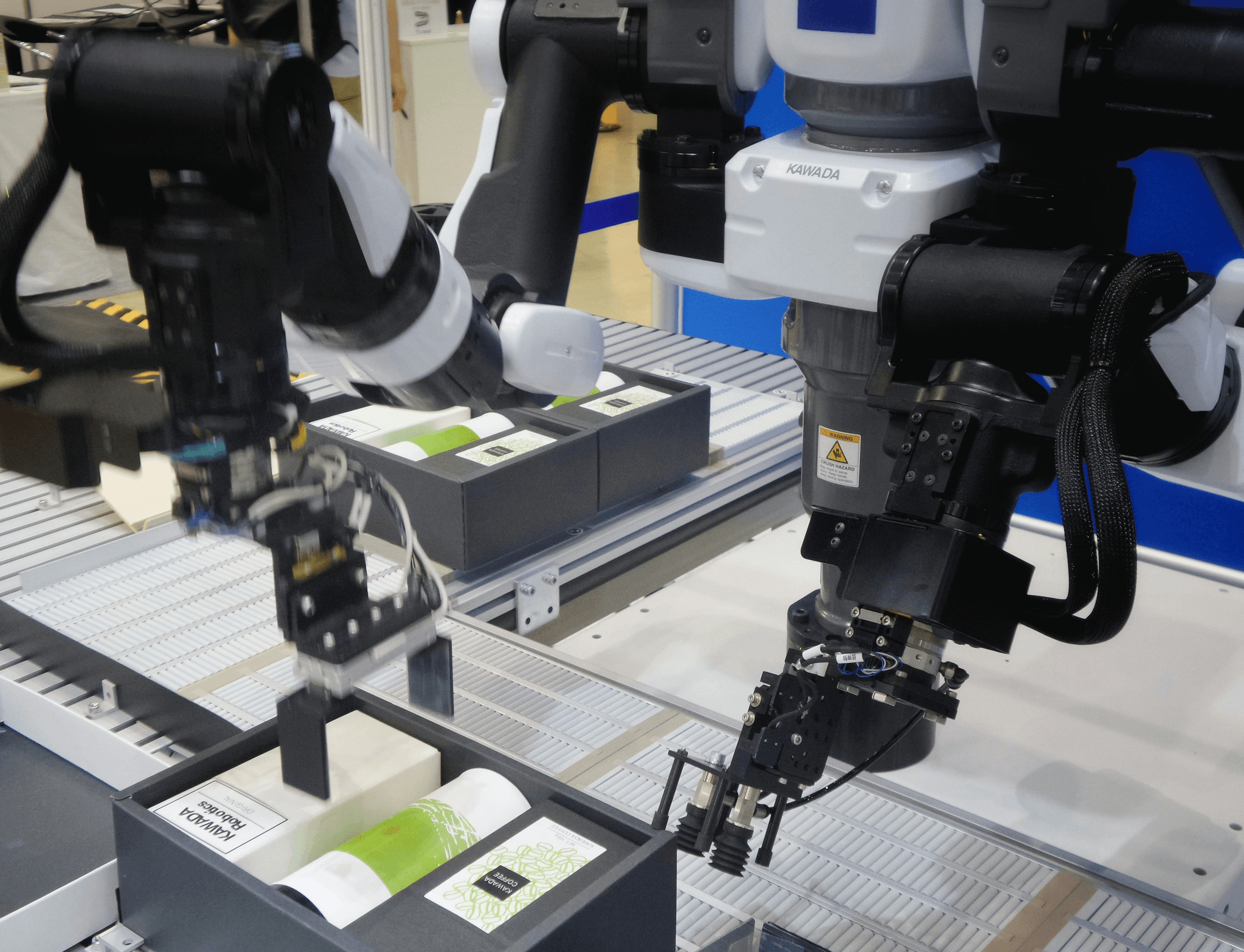
The landscape of quality control is rapidly evolving, driven by technological advancements and the increasing demand for superior products. Companies are recognizing the quality control advantages that come from embracing new technologies, which not only streamline processes but also enhance overall product integrity. As we look to the future, understanding these trends will be crucial for businesses aiming to maintain a competitive edge.
Automation and Technology in Quality Control
Automation is revolutionizing quality control in manufacturing industries by minimizing human error and increasing efficiency. With tools such as AI-driven inspection systems and machine learning algorithms, companies can now monitor production processes in real-time, ensuring they meet ISO 9001 standards consistently. By leveraging automation, organizations can better control the quality of their outputs while also reducing costs associated with waste and rework—two significant quality control advantages.
Moreover, technology enables more precise data collection and analysis, allowing businesses to identify trends and areas for improvement swiftly. This proactive approach to controlling quality not only enhances product consistency but also boosts customer satisfaction—an essential component of long-term success. As automation continues to advance, it will undoubtedly play a pivotal role in shaping the future of quality assurance services.
The Growing Importance of Quality in Global Trade
As global trade expands, so does the need for stringent quality standards across borders. Companies are increasingly recognizing that maintaining high-quality products is essential not just for compliance with international regulations but also for building trust with consumers worldwide. The emphasis on ISO 9001 certification has become a vital requirement for businesses looking to compete on a global scale—underscoring the importance of effective quality control.
In this interconnected marketplace, organizations must prioritize controlling quality to differentiate themselves from competitors who might overlook these critical aspects. By doing so, they can enhance their reputation while enjoying the numerous quality control advantages that come from satisfied customers and repeat business. Ultimately, as trade barriers diminish and competition intensifies, focusing on high-quality outputs will be key to staying ahead.
Adaptation in the Quality Control in Manufacturing Industry
The manufacturing industry is witnessing a significant shift towards more adaptive strategies when it comes to quality control practices. Companies are moving away from traditional methods towards more agile frameworks that allow them to respond quickly to changes in market demands or production challenges. This adaptability ensures that organizations can maintain high standards without compromising efficiency—a hallmark of effective quality assurance services.
Furthermore, integrating new technologies into existing processes helps manufacturers better manage their resources while adhering to ISO 9001 guidelines for continuous improvement. By fostering a culture where employees are encouraged to contribute ideas on how best to control the quality of products being produced, companies can tap into collective insights that lead to innovative solutions—further enhancing overall performance metrics related to waste reduction and customer satisfaction.
In conclusion, adapting these emerging trends will be crucial as we move forward; those who embrace change will likely reap substantial benefits through improved operational efficiencies and enhanced market positioning thanks to robust systems designed around controlling quality effectively.
Conclusion

In summary, the lasting impact of quality control advantages cannot be overstated. Organizations that effectively implement quality control measures, such as those outlined in ISO 9001 standards, experience significant improvements in efficiency and profitability. By understanding and embracing the importance of controlling quality, businesses can position themselves for long-term success.
Lasting Impact of Quality Control Advantages
The advantages of quality control extend far beyond immediate cost savings; they create a ripple effect throughout an organization. By reducing waste and rework, companies not only save resources but also enhance their reputation among customers who value reliability. This lasting impact fosters a culture of excellence that resonates with employees and clients alike, ultimately driving growth.
Quality Control as a Competitive Edge
In today’s fast-paced market, having robust quality control processes provides a significant competitive edge. Companies that prioritize quality control are better equipped to meet customer demands while minimizing errors—an essential factor in maintaining market share. As consumers become more discerning about product reliability, those who effectively implement ISO 9001 standards will stand out from the crowd.
Embracing Quality Assurance for Growth
Embracing quality assurance services is not just about compliance; it’s about fostering a proactive mindset towards continuous improvement. Organizations that integrate comprehensive quality control practices into their operations are more likely to adapt to changing market conditions and consumer preferences. By investing in these initiatives now, businesses can ensure sustainable growth and maintain their position at the forefront of the manufacturing industry.