
Introduction

In today's competitive manufacturing landscape, understanding the first article inspection report is crucial for ensuring product quality and compliance with industry standards. The first article inspection (FAI) serves as a vital checkpoint, allowing businesses to verify that their production processes meet specified requirements before full-scale manufacturing begins. By focusing on this initial inspection, companies can prevent costly errors and enhance overall quality assurance.
Understanding the First Article Inspection Report
The first article inspection report is a comprehensive document that outlines the results of an initial evaluation of a product or component against its design specifications. This report not only details measurements and observations but also highlights any deviations from expected quality standards. By carefully analyzing this document, stakeholders can gain insights into potential issues early in the production process, making it an invaluable tool for quality control.
Importance of Quality Assurance in Manufacturing
Quality assurance plays a pivotal role in manufacturing by ensuring that products are consistently produced to meet customer expectations and regulatory requirements. A robust quality assurance framework helps businesses reduce waste, minimize rework, and enhance customer satisfaction—all critical factors for long-term success. In essence, prioritizing quality assurance not only safeguards a company's reputation but also drives profitability through efficient operations.
The Role of Quality Control in Your Business
Quality control is the backbone of any successful manufacturing operation, providing systematic measures to monitor and maintain product integrity throughout the production cycle. Effective company quality control involves regular inspections and audits to identify areas for improvement while fostering a culture of accountability among employees. By integrating rigorous quality control practices into daily operations, businesses can ensure that every aspect of their output meets or exceeds established standards.
What is a First Article Inspection?
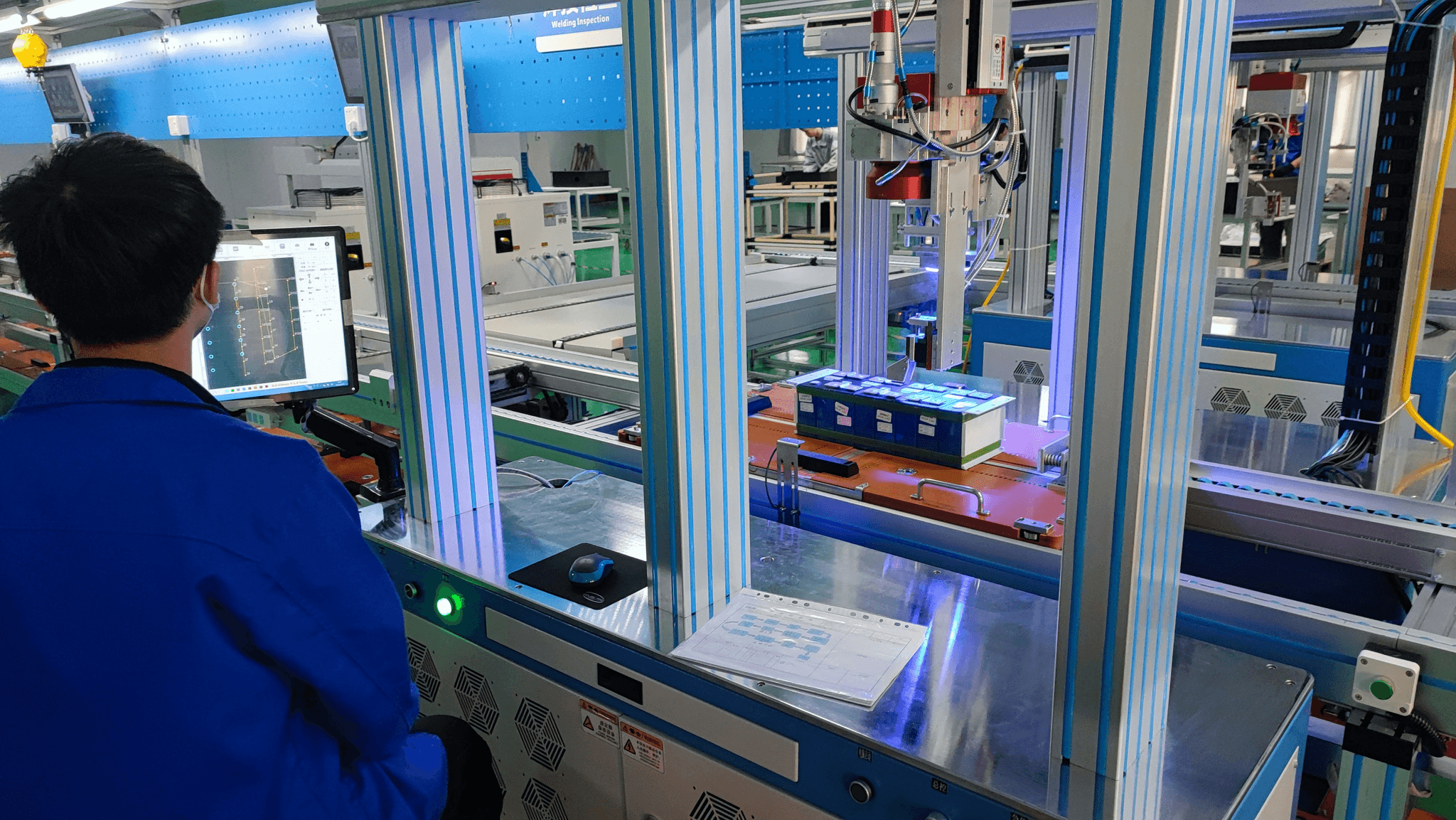
First Article Inspection (FAI) is a critical quality control process used in manufacturing to ensure that a product meets specified requirements before mass production begins. The first article serves as a prototype or sample, allowing companies to verify that their production methods and materials align with the predetermined specifications. This inspection not only helps mitigate risks but also fosters trust between manufacturers and clients by demonstrating a commitment to quality assurance.
Definition and Purpose of First Article
A First Article Inspection involves evaluating the first produced item against its design specifications and quality standards. The primary purpose of this inspection is to identify any discrepancies early in the manufacturing process, ensuring that subsequent products will maintain consistent quality. By focusing on the first article, manufacturers can prevent costly errors and rework down the line, ultimately enhancing overall company quality control.
Key Components of the First Article Inspection Report
The First Article Inspection Report contains several key components that provide insights into the product's compliance with specifications. Essential elements include measurements, material certifications, visual inspections, and any non-conformance reports detailing issues found during inspection. Together, these components create a comprehensive snapshot of the product's adherence to quality assurance standards, serving as a crucial reference for ongoing production processes.
Differences Between First Article and Other Inspections
While various types of inspections exist within manufacturing—such as in-process inspections or final audits—the First Article Inspection stands out due to its focus on initial production items. Unlike routine inspections that may occur throughout production, an FAI specifically assesses whether the first article meets all design criteria before full-scale manufacturing begins. This proactive approach allows businesses to catch potential problems early on, making it an essential step in effective quality control.
Steps to Prepare for a First Article Inspection
Preparing for a first article inspection is not just about checking boxes; it's a strategic process that lays the groundwork for quality assurance quality. A thorough preparation can significantly impact the outcome of your first article inspection report, ensuring that it meets industry standards and company quality control expectations. Here’s how to get ready like a pro.
Gathering Required Documentation and Samples
The first step in preparing for a first article inspection is to gather all required documentation and samples. This includes technical drawings, specifications, and any previous quality inspection reports that might be relevant. Having these documents on hand not only streamlines the process but also demonstrates your commitment to maintaining high-quality standards in your company quality control efforts.
Samples should be representative of what will be produced in bulk, as they provide essential data during the inspection process. Ensure that you have enough samples to cover various aspects of the product, including dimensions, materials, and finishes. By meticulously collecting this information upfront, you set yourself up for success when it comes time to analyze your first article inspection report.
Collaborating with Quality Control Teams
Collaboration with your quality control teams is crucial during this preparatory phase. These teams are equipped with the expertise needed to identify potential issues before they arise during the actual inspection. Engaging them early on helps align everyone’s understanding of what constitutes acceptable quality assurance quality and ensures that nothing falls through the cracks.
Regular meetings can facilitate open communication about expectations and responsibilities related to the first article inspection process. This collaborative approach fosters an environment where team members feel empowered to share insights or concerns regarding product specifications or manufacturing processes. Ultimately, effective teamwork leads to smoother inspections and more reliable outcomes in your first article inspection report.
Setting Clear Expectations with Stakeholders
Setting clear expectations with all stakeholders involved is another vital step in preparing for a successful first article inspection. This includes everyone from management to production staff who play roles in delivering high-quality products consistently. When stakeholders understand their responsibilities and what is expected of them concerning quality control measures, it creates accountability throughout the organization.
Communicate timelines, specific goals related to quality metrics, and any potential challenges that may arise during inspections upfront for maximum clarity. Regular updates can help keep everyone aligned on progress while reinforcing a culture centered around continuous improvement in quality assurance practices within your company’s operations. By establishing these clear lines of communication early on, you pave the way for smoother inspections and better overall results.
Analyzing the First Article Inspection Report
Understanding the nuances of a first article inspection report is crucial for any company committed to quality assurance. This report serves as a benchmark, providing insights into how well products meet specified requirements. By carefully analyzing these reports, businesses can enhance their quality control processes and ensure that they consistently deliver top-notch products.
Interpreting Quality Metrics and Data
When diving into the data presented in a first article inspection report, it's essential to grasp the quality metrics that are highlighted. These metrics often include dimensions, tolerances, and material specifications that are critical for assessing product compliance with design standards. By interpreting this data correctly, companies can identify whether their manufacturing processes align with established quality assurance guidelines or if adjustments are necessary to meet quality control benchmarks.
Furthermore, understanding trends in these metrics can reveal underlying issues within production processes or supply chain management. For instance, if certain dimensions frequently fall outside acceptable ranges, it may indicate a need for improved training or equipment calibration within your company's quality control team. Ultimately, mastering the interpretation of these metrics allows businesses to proactively address potential problems before they escalate into larger issues.
Identifying Common Issues During Inspections
During first article inspections, certain recurring issues tend to surface that can hinder overall product quality. Common problems include dimensional discrepancies, surface finish defects, and material inconsistencies—each of which can significantly impact customer satisfaction and brand reputation. Recognizing these common pitfalls is vital for any organization striving for excellence in its product offerings through effective quality inspection practices.
Moreover, understanding why these issues arise is equally important; it could be due to insufficient training among staff or inadequate equipment maintenance within your company's quality control framework. By pinpointing the root causes of these common issues during inspections, organizations can implement targeted solutions that not only rectify current problems but also prevent future occurrences—ultimately enhancing their overall approach to quality assurance.
Importance of Feedback for Continuous Improvement
Feedback gathered from analyzing first article inspection reports plays a pivotal role in fostering continuous improvement within any manufacturing operation. Constructive feedback helps companies refine their processes by identifying strengths and weaknesses in their current practices related to quality control measures. This cycle of feedback ensures that teams remain vigilant about maintaining high standards in every aspect of production.
Encouraging an open dialogue regarding findings from inspections fosters a culture where employees feel empowered to contribute ideas for enhancement—thus driving innovation across all levels of the organization’s operations related to company quality control initiatives. Additionally, leveraging this feedback loop helps establish benchmarks over time as organizations strive toward achieving higher levels of excellence in product delivery through rigorous adherence to established standards outlined in first article inspections.
Quality Assurance Best Practices

Quality assurance is not just a checkbox on a manufacturing checklist; it's the backbone of a successful production process. Implementing best practices in quality control can significantly enhance the reliability of your products and services. By focusing on robust quality assurance strategies, companies can ensure that their first article inspection reports reflect accurate and actionable insights.
Implementing a Robust Quality Control Process
A well-structured quality control process is essential for ensuring that every product meets the required standards before it hits the market. This involves establishing clear guidelines for conducting first article inspections, including what metrics will be evaluated and how results will be documented in the first article inspection report. Companies should also ensure that there are feedback loops in place to address any issues identified during inspections, allowing for continuous improvement in their quality assurance practices.
To implement this successfully, businesses need to invest in training their teams on effective quality control measures. This includes familiarizing employees with various aspects of quality inspection and how to interpret data from first article inspections accurately. A strong emphasis on communication within teams can lead to better collaboration and ultimately enhance company quality control efforts.
Training Employees on Quality Inspection Standards
Training is a cornerstone of effective quality assurance; without it, even the most sophisticated systems can falter. Employees should receive comprehensive training on quality inspection protocols, focusing not only on technical skills but also on understanding the importance of maintaining high standards throughout production processes. By instilling a culture of quality awareness, employees become more invested in ensuring that every product meets or exceeds expectations outlined in the first article inspection report.
Regular workshops and refresher courses can help keep staff updated on new techniques or changes in industry standards related to quality control processes. Moreover, involving employees in discussions about common issues encountered during inspections fosters an environment where everyone feels responsible for maintaining high-quality output. This proactive approach contributes significantly to improving overall company quality control.
Leveraging Technology in the Inspection Process
In today’s fast-paced manufacturing environment, leveraging technology in the inspection process is crucial for ensuring quality assurance quality and maintaining a competitive edge. Utilizing advanced tools and software not only streamlines the first article inspection but also enhances overall quality control. By integrating technology, companies can reduce human error, speed up inspections, and ultimately improve their first article inspection report outcomes.
Tools for Streamlining First Article Inspections
Various tools are available to streamline the first article inspection process, making it more efficient and reliable. For instance, digital calipers and coordinate measuring machines (CMM) allow for precise measurements that are essential for a comprehensive quality inspection. These tools help ensure that all dimensions meet specified requirements outlined in the first article inspection report, thus enhancing company quality control efforts.
Another innovative solution is 3D scanning technology, which captures detailed information about physical objects quickly and accurately. This not only speeds up the inspection process but also provides a visual representation that can be compared against CAD models to identify discrepancies early on. By implementing these tools, businesses can significantly reduce time spent on inspections while boosting confidence in their quality assurance practices.
Using Software for Quality Control Analysis
Software solutions tailored for quality control analysis play a pivotal role in modernizing the first article inspection process. Programs designed specifically for analyzing data from inspections allow teams to visualize trends and spot issues before they escalate into major problems. With real-time data at their fingertips, companies can make informed decisions that enhance overall product quality while adhering to standards set forth in their company quality control policies.
Additionally, utilizing cloud-based platforms facilitates collaboration among different departments involved in the manufacturing process. Stakeholders can access updated reports instantly from anywhere, ensuring everyone is on the same page regarding findings from the first article inspections. This transparency fosters an environment of continuous improvement as teams work together to address any identified issues promptly.
Future Trends in Quality Assurance Technology
The future of quality assurance technology looks promising with advancements like artificial intelligence (AI) and machine learning poised to revolutionize how we approach inspections. These technologies will enable predictive analytics that anticipate potential defects before they occur based on historical data trends from previous first article inspections. This proactive approach not only saves time but also enhances overall product reliability.
Moreover, augmented reality (AR) is emerging as a game-changer by providing inspectors with real-time overlays of specifications directly onto physical components during inspections. This immersive experience helps ensure compliance with standards outlined in first article inspection reports while reducing errors caused by misinterpretation of complex drawings or specifications. As these technologies continue to evolve, businesses committed to excellence will find new ways to elevate their quality assurance practices.
Conclusion

In wrapping up our exploration of the first article inspection report, it’s clear that understanding and implementing effective quality control practices is paramount in ensuring manufacturing success. By prioritizing quality assurance quality and maintaining a rigorous quality inspection process, companies can significantly reduce errors and enhance product reliability. Ultimately, a robust first article inspection not only safeguards your production line but also boosts customer satisfaction.
Key Takeaways for Effective First Article Inspections
The first article inspection is not just a checkbox on your production list; it’s an essential step in your quality control arsenal. Key takeaways include the importance of thorough documentation and collaboration with your quality control team to ensure all aspects are covered before inspections begin. Remember, a well-prepared first article can highlight potential issues early on, saving time and resources down the line.
The Long-term Benefits of Quality Control
Investing in company quality control processes leads to lasting benefits that extend far beyond immediate product outcomes. A commitment to ongoing quality assurance creates a culture of excellence within organizations, fostering trust among stakeholders and enhancing brand reputation. Over time, consistent adherence to high-quality standards translates into reduced costs associated with rework or returns, ultimately boosting the bottom line.
Committing to Continuous Quality Improvement
Continuous improvement is the lifeblood of any successful manufacturing operation—especially when it comes to first article inspections. By regularly analyzing feedback from each first article inspection report and adapting processes accordingly, companies can stay ahead of industry standards and customer expectations. Embracing this mindset ensures that quality control remains dynamic and responsive rather than static or reactive.