
Introduction
In the fast-paced world of garment manufacturing, maintaining high standards of quality control is essential for success. Garments quality control not only ensures that products meet customer expectations but also helps businesses reduce costs associated with returns and defects. This introduction explores the significance of quality control in manufacturing, highlighting the critical role it plays in delivering excellence.
Understanding Garments Quality Control Importance
Garments quality control serves as a cornerstone for any successful apparel business, impacting everything from brand reputation to customer satisfaction. Effective quality checks in manufacturing can significantly enhance product reliability and durability, which are key factors for consumer trust. Moreover, a robust approach to quality assurance can lead to increased efficiency and reduced waste throughout the production process.
Key Challenges in Quality Control
Despite its importance, implementing effective quality control poses several challenges within the garment industry. One major hurdle is managing production variability; minor fluctuations can lead to significant discrepancies in product quality. Additionally, identifying defects early in production is often complicated by rushed timelines and complex supply chains, making it imperative for manufacturers to adopt proactive strategies.
Overview of Effective Quality Control Strategies
To navigate these challenges successfully, manufacturers must employ a variety of effective quality control strategies tailored to their specific needs. This includes integrating comprehensive visual and manual inspection methods alongside advanced technology-driven solutions that streamline processes and enhance accuracy. By collaborating with skilled quality assurance specialists and establishing clear standards within their operations, companies can foster an environment where high-quality garments are the norm rather than the exception.
Foundations of Quality Control in Manufacturing

In the realm of garments quality control, understanding the foundational aspects is crucial for ensuring product excellence. Quality control in manufacturing is not merely a checklist; it’s a comprehensive framework that guides every step from design to delivery. By establishing robust processes and standards, manufacturers can enhance their overall efficiency and maintain high-quality output.
The Role of a Quality Assurance Specialist
A quality assurance specialist plays a pivotal role in garments quality control by acting as the guardian of standards throughout the manufacturing process. This professional is responsible for identifying potential issues before they escalate, ensuring that each stage adheres to established quality checks in manufacturing. Their expertise not only helps in maintaining compliance but also fosters an environment where continuous improvement is prioritized.
Quality assurance specialists collaborate closely with production teams to implement effective quality inspection methods tailored to specific garment types. They analyze data from previous production runs to identify trends and areas needing attention, thus enhancing the overall strategy for quality control and manufacturing. Ultimately, their insights drive informed decisions that lead to superior product outcomes.
Establishing Quality Control Standards
Establishing clear and measurable quality control standards is fundamental for any successful garment manufacturing operation. These standards serve as benchmarks against which all products are evaluated, ensuring consistency and reliability across batches. By defining criteria such as fabric integrity, stitching precision, and colorfastness, manufacturers can streamline their quality inspection processes.
Moreover, these standards should be revisited regularly to adapt to evolving market demands and technological advancements within the industry. Implementing rigorous training programs ensures that all employees understand these standards thoroughly, creating a culture where everyone is invested in achieving high-quality outcomes. In essence, well-defined quality control standards form the backbone of effective garments quality control.
Integrating Quality Checks in Manufacturing Processes
Integrating systematic quality checks into manufacturing processes is essential for catching defects early on and minimizing waste down the line. By embedding these checks at various stages—from raw material sourcing through final assembly—manufacturers can ensure that each component meets established criteria before moving forward. This proactive approach significantly enhances overall efficiency while reinforcing commitment to high-quality output.
Furthermore, leveraging technology can streamline this integration process by automating certain inspections or facilitating real-time monitoring of production metrics related to garments quality control. For instance, using sensors or software solutions allows teams to detect anomalies instantly rather than waiting until post-production inspections are completed. Ultimately, seamless integration of these checks into daily operations leads not only to improved product integrity but also boosts customer satisfaction.
Implementing Effective Quality Inspection Techniques

When it comes to garments quality control, implementing effective inspection techniques is crucial for maintaining high standards. Quality inspection plays a pivotal role in ensuring that products meet the established quality control standards before reaching consumers. By combining traditional methods with innovative technology, manufacturers can enhance their quality checks in manufacturing processes.
Visual and Manual Inspection Methods
Visual and manual inspection methods are the backbone of garments quality control, providing a hands-on approach to identifying defects. Trained quality assurance specialists meticulously examine fabric, stitching, and finished products for inconsistencies that could affect overall product integrity. While these methods may seem old-fashioned compared to automated solutions, they remain essential in catching subtle flaws that machines might miss.
In addition to spotting visible defects, visual inspections foster a deeper understanding of production processes among workers. This engagement not only enhances skills but also cultivates a culture of accountability within the team. Ultimately, effective manual inspections complement other quality control strategies by serving as an initial line of defense against defective goods.
Technology’s Role in Quality Inspections
The integration of technology into quality inspections has revolutionized garments quality control and manufacturing practices. Advanced tools such as cameras equipped with AI algorithms can analyze fabrics at lightning speed, detecting imperfections that human eyes might overlook. This technological advancement not only improves accuracy but also accelerates the pace of production without sacrificing quality.
Moreover, data analytics plays a vital role in refining the inspection process by identifying trends and recurring issues within manufacturing lines. By leveraging insights from past inspections, manufacturers can proactively address potential problems before they escalate into significant defects. Technology's contribution to quality checks in manufacturing ensures that businesses remain competitive while consistently delivering high-quality products.
Selecting Reliable Quality Inspection Partners
Choosing reliable partners for quality inspection is paramount for effective garments quality control and overall success in manufacturing and quality control processes. Companies should look for partners with proven track records who understand industry-specific standards and regulations related to textile production. A solid partnership can provide access to specialized expertise and resources that enhance your internal capabilities.
Additionally, assessing potential partners based on their technological proficiency is essential; those who utilize advanced tools will likely provide more accurate insights into product integrity than those relying solely on manual methods. Establishing clear communication channels with your chosen partners further ensures alignment on expectations regarding quality checks in manufacturing practices. In this way, businesses can build lasting relationships that contribute significantly to maintaining high-quality standards throughout their supply chain.
Common Quality Control Challenges in Garment Manufacturing
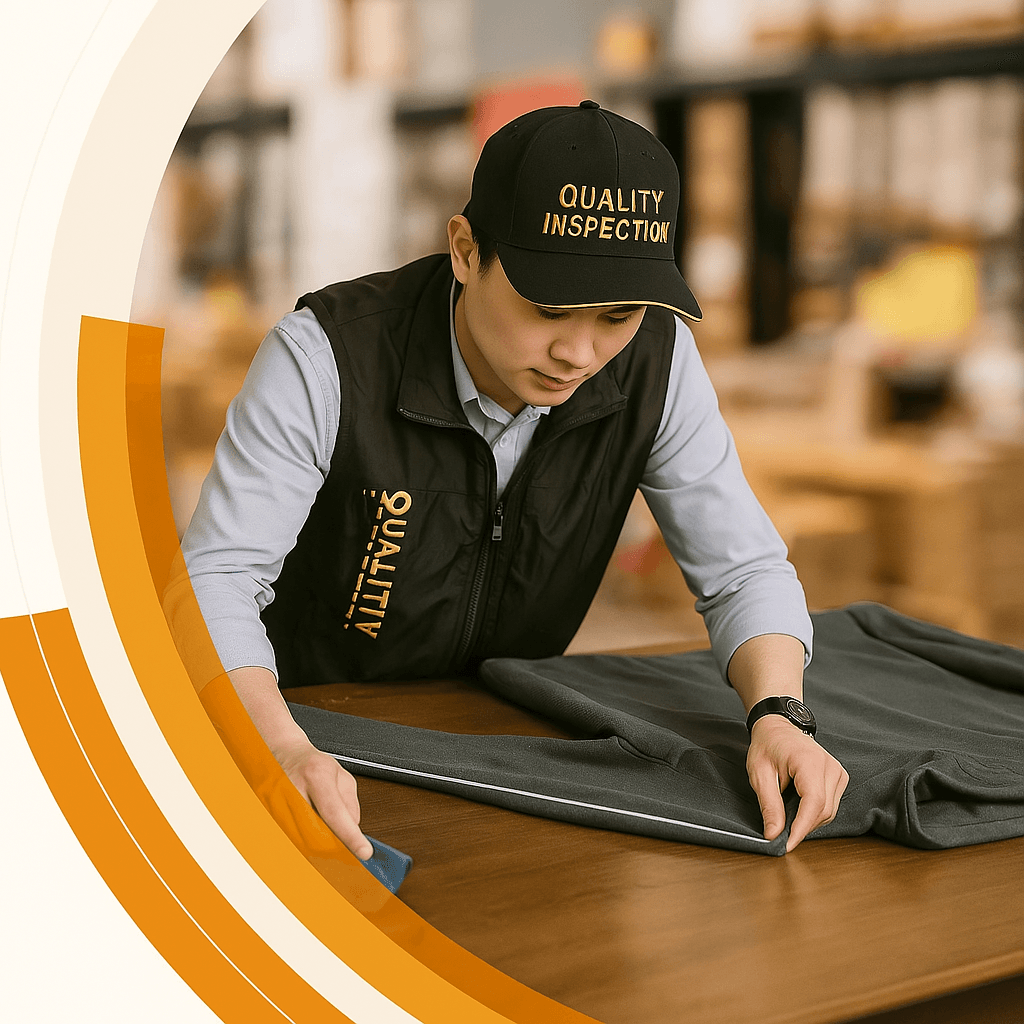
In the realm of garments quality control, several challenges can significantly impede the effectiveness of quality checks in manufacturing. These hurdles often stem from a combination of human oversight, production variability, and supply chain dynamics. Addressing these challenges is crucial for maintaining high standards and ensuring customer satisfaction.
Identifying Defects Early in Production
Identifying defects early in production is one of the primary challenges faced in garments quality control. Many issues can arise at various stages of manufacturing, making it essential for quality assurance specialists to implement robust inspection processes from the outset. By catching defects early, manufacturers can avoid costly rework and ensure that only products meeting quality standards reach the market.
To facilitate early detection, integrating regular quality checks in manufacturing processes is vital. This involves training staff to recognize potential flaws and employing visual inspection methods alongside technological solutions like automated scanning systems. Ultimately, a proactive approach to defect identification not only enhances product integrity but also streamlines overall production efficiency.
Managing Production Variability
Production variability presents another significant challenge within garments quality control and manufacturing environments. Variability can occur due to fluctuations in raw materials, equipment performance, or even workforce skill levels—each factor impacting product consistency and quality assurance efforts. To combat this issue, manufacturers must establish clear guidelines and standard operating procedures that promote uniformity across all production lines.
One effective strategy for managing variability is implementing statistical process control (SPC) techniques that allow teams to monitor processes continually and identify deviations before they escalate into larger problems. By utilizing data analytics tools, manufacturers can gain insights into trends and adjust their operations accordingly to minimize variability's effects on garment quality control outcomes. Emphasizing consistency through rigorous training programs for employees further strengthens this approach.
Ensuring Supply Chain Quality Assurance
Ensuring supply chain quality assurance is critical for maintaining high standards throughout the garment manufacturing process. With multiple suppliers contributing materials or components, any lapse in their adherence to quality control measures can compromise the final product’s integrity. Therefore, establishing clear communication channels and expectations with suppliers becomes paramount.
Regular audits of supplier practices are essential for verifying compliance with established quality checks in manufacturing protocols. Additionally, fostering strong relationships with reliable partners helps create a culture of accountability where everyone involved understands their role in upholding garments quality control standards. This collaborative effort ultimately leads to improved product outcomes while minimizing disruptions caused by poor-quality inputs.
Leveraging Technology for Quality Control
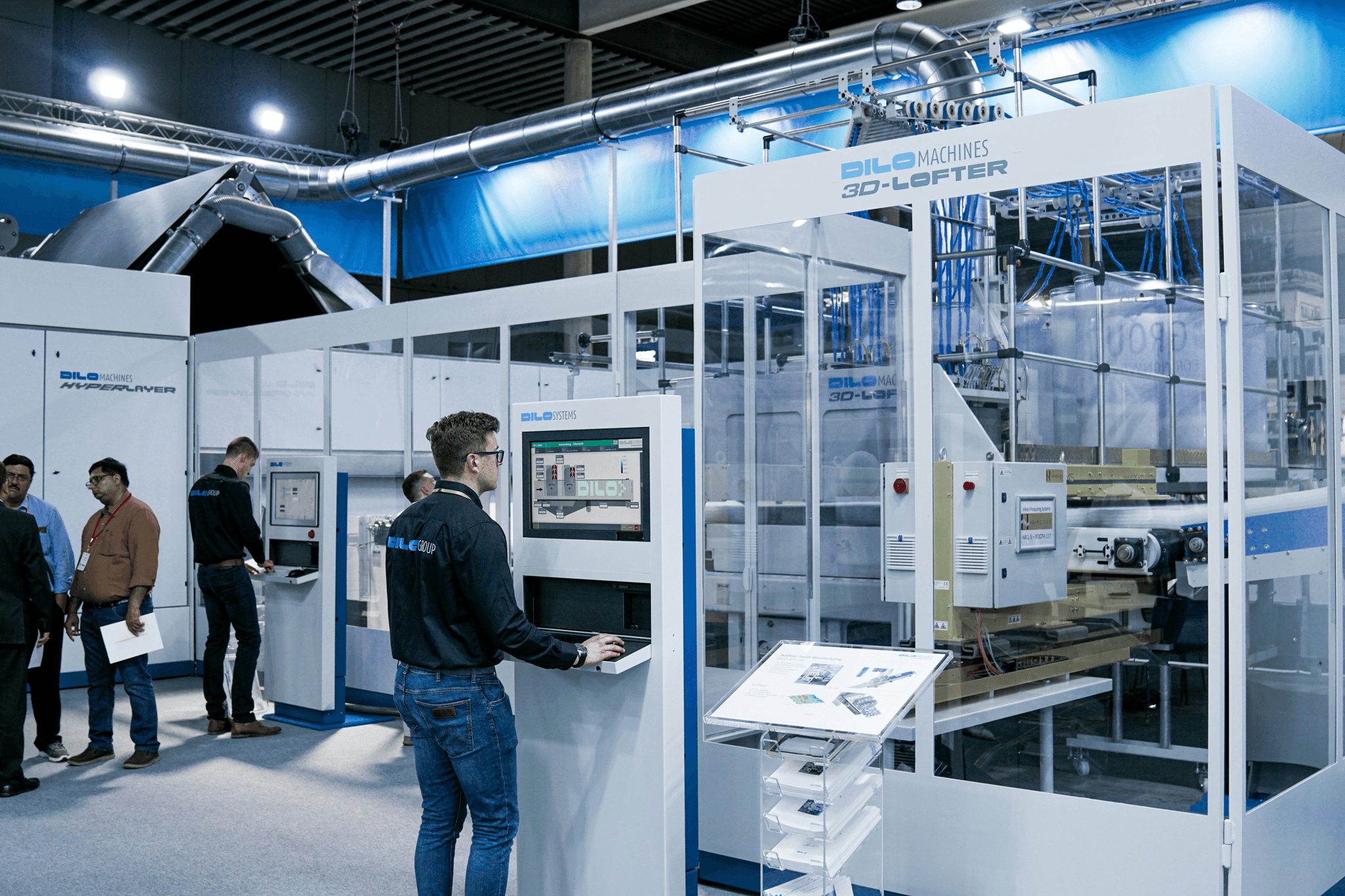
In the fast-paced world of garments quality control, technology is not just a luxury; it’s a necessity. By harnessing innovative tools and methods, manufacturers can enhance their quality control processes, ensuring that every piece meets the highest standards. This section delves into how data analytics, automation, and real-time monitoring are transforming quality checks in manufacturing.
Using Data Analytics in Quality Checks
Data analytics has revolutionized the approach to quality assurance in manufacturing by providing actionable insights from vast amounts of production data. Quality control specialists can identify trends and patterns that may indicate potential defects before they become problematic. By utilizing data-driven decision-making, manufacturers can optimize their quality inspection processes and significantly reduce waste and rework.
Moreover, predictive analytics can forecast potential issues based on historical data, allowing for proactive measures rather than reactive fixes. This shift not only improves garments quality control but also enhances overall production efficiency. Ultimately, leveraging data analytics leads to smarter quality checks in manufacturing that ensure consistent product excellence.
The Benefits of Automated Quality Control Processes
Automated quality control processes are game-changers for manufacturers aiming to streamline operations while maintaining high-quality standards. By integrating automated systems into the manufacturing workflow, businesses can minimize human error and increase inspection speed without compromising accuracy. These automated solutions allow for continuous monitoring of products throughout the production line.
The benefits extend beyond mere efficiency; automation also enables scalability as businesses grow or adjust production levels without sacrificing quality assurance efforts. With automated systems handling routine inspections, quality assurance specialists can focus on more complex tasks that require human judgment and expertise. In essence, blending technology with traditional practices enhances both garments quality control and operational effectiveness.
Real-time Monitoring Solutions
Real-time monitoring solutions provide an invaluable layer of oversight in the realm of garments quality control by enabling immediate feedback during the production process. These systems track various parameters such as fabric integrity or stitching precision as they happen, allowing manufacturers to address issues instantly before they escalate into larger problems. This level of responsiveness is crucial in maintaining high-quality standards throughout all stages of manufacturing.
By employing sensors and IoT devices within their operations, companies can gather critical data continuously while ensuring compliance with established quality control standards. Furthermore, real-time insights facilitate better communication between teams involved in different aspects of production—enhancing collaboration between design teams and floor workers alike. Thus, integrating real-time monitoring solutions leads to a more cohesive approach to maintaining robust quality assurance practices across all facets of manufacturing.
The Importance of Continuous Improvement

In the fast-paced world of garments quality control, continuous improvement is not just a buzzword; it’s a necessity. A strong commitment to enhancing quality control in manufacturing processes can transform an organization from merely meeting standards to exceeding them. This journey requires a proactive mindset where every team member embraces their role in maintaining high-quality standards.
Creating a Culture of Quality Assurance
Fostering a culture of quality assurance starts with leadership setting clear expectations for quality checks in manufacturing. When employees understand that their contributions directly impact the overall product quality, they are more likely to take ownership of their work. Encouraging open communication about defects and challenges creates an environment where everyone feels empowered to prioritize garments quality control.
Training and ongoing education play crucial roles in establishing this culture, equipping staff with the knowledge and skills needed for effective quality inspection. Regular workshops and seminars led by a qualified quality assurance specialist can reinforce best practices and inspire innovation within teams. Ultimately, when employees feel valued and invested in the process, they are more likely to contribute positively to the overall goals of manufacturing and quality control.
Feedback Loops for Process Optimization
Implementing feedback loops is essential for refining processes related to garments quality control continuously. By collecting data on production outcomes and conducting regular reviews, manufacturers can identify areas needing improvement or adjustment. This iterative approach allows teams to make informed decisions based on real-time information rather than relying solely on historical data.
Feedback should flow both ways; operators on the production floor should feel comfortable sharing insights with management about challenges they face during production runs. In turn, management must actively listen and respond with actionable solutions that enhance overall efficiency in manufacturing and quality control efforts. With well-established feedback loops, organizations can adapt swiftly to changing market demands while ensuring consistent product excellence.
Staying Ahead with Industry Best Practices
To maintain competitive advantage in garments quality control, manufacturers must stay abreast of industry best practices and emerging trends. Regularly reviewing these practices ensures that companies remain compliant while also pushing the envelope on what constitutes excellence in product output. Networking with other professionals through industry associations or forums provides valuable insights into innovative techniques that can streamline operations.
Investing in technology is another way companies can stay ahead; utilizing advanced tools for automated inspections or data analytics enhances accuracy during quality checks in manufacturing processes significantly. Moreover, benchmarking against competitors will help identify gaps or opportunities within your own operations that could lead to improved performance metrics over time. By remaining vigilant about advancements within the field, businesses not only enhance their reputation but also solidify their position as leaders in garments quality control.
Conclusion
In the fast-paced world of garment manufacturing, effective quality control is not just a luxury; it's a necessity. By prioritizing garments quality control, companies can enhance product excellence and ensure that every piece meets the highest standards. A robust quality control framework instills confidence among consumers and stakeholders alike, ultimately leading to increased brand loyalty.
Enhancing Product Excellence with Quality Control
Quality control in manufacturing serves as the backbone of product excellence. By implementing rigorous quality checks in manufacturing processes, businesses can identify defects early and maintain high standards throughout production. This proactive approach not only minimizes waste but also elevates the overall reputation of the brand in a competitive market.
Building a Reliable Quality Control Framework
Establishing a reliable quality control framework is essential for any garment manufacturer aiming for success. This framework should encompass clear guidelines set by quality assurance specialists who understand both industry standards and customer expectations. Integrating these guidelines into daily operations ensures consistency and fosters an environment where quality control and manufacturing go hand in hand.
Partnering with Experts like China Inspection Pro
Collaborating with experts such as China Inspection Pro can significantly enhance your garments quality control efforts. These professionals bring specialized knowledge in quality inspection that can help streamline processes and identify potential issues before they escalate. By leveraging their expertise, manufacturers can focus on what they do best while ensuring their products meet stringent quality standards.