
Introduction

In today's fast-paced business environment, ensuring that products and services meet certain standards is crucial. This is where quality control service comes into play, acting as a safety net to catch potential issues before they reach the consumer. By implementing effective quality control processes, businesses can control the quality of their offerings, ultimately leading to increased customer satisfaction and loyalty.
What is Quality Control Service
Quality control service refers to a systematic approach aimed at maintaining and improving product quality through various checks and measures. It encompasses a range of practices designed to ensure that products meet specific standards throughout the production process. Simply put, quality control is about controlling and managing quality at every stage—from raw materials to the final product.
The Importance of Quality Control
The importance of quality control cannot be overstated; it serves as the backbone of any successful organization. By effectively controlling quality, businesses can reduce waste, avoid costly recalls, and enhance their reputation in the market. Moreover, strong quality management practices help organizations identify areas for improvement, leading to better operational efficiency.
Key Benefits of Quality Control
Implementing robust quality control processes offers numerous benefits that extend beyond mere compliance with standards. First and foremost, it helps businesses save money by minimizing defects and reducing rework costs—essentially boosting the bottom line. Additionally, a well-structured approach to quality assurance fosters trust among customers; when consumers know they can rely on consistent product excellence, they are more likely to remain loyal.
Understanding Quality Control

Quality control is a critical component of any successful business strategy, ensuring that products and services meet specified standards. By implementing a robust quality control service, organizations can systematically identify defects and improve overall performance. This section delves into the essence of quality control, the pivotal role played by quality assurance specialists, and the significant impact that effective quality control has on business success.
Defining Quality Control Service
So, what is quality control service? At its core, it refers to the processes and procedures employed to ensure that products or services meet predefined criteria for excellence. This involves regular inspections, testing, and monitoring to control the quality throughout production or service delivery phases. By defining clear benchmarks for performance, businesses can effectively manage risks associated with poor quality.
The Role of a Quality Assurance Specialist
A quality assurance specialist plays an indispensable role in maintaining high standards within an organization. These professionals are responsible for designing and implementing processes that control the quality of products or services at every stage of production. They analyze data from various sources to identify trends and areas for improvement, ensuring that both control and quality align with industry standards.
How Quality Control Impacts Business Success
The relationship between effective quality control and business success cannot be overstated; it’s like peanut butter without jelly—just not complete! Companies that prioritize controlling their product's quality tend to see increased customer satisfaction, reduced waste, and enhanced brand loyalty. In today’s competitive marketplace, a strong focus on both quality management and continuous improvement can be a game changer for businesses aiming to stand out from their competitors.
Quality Control Processes
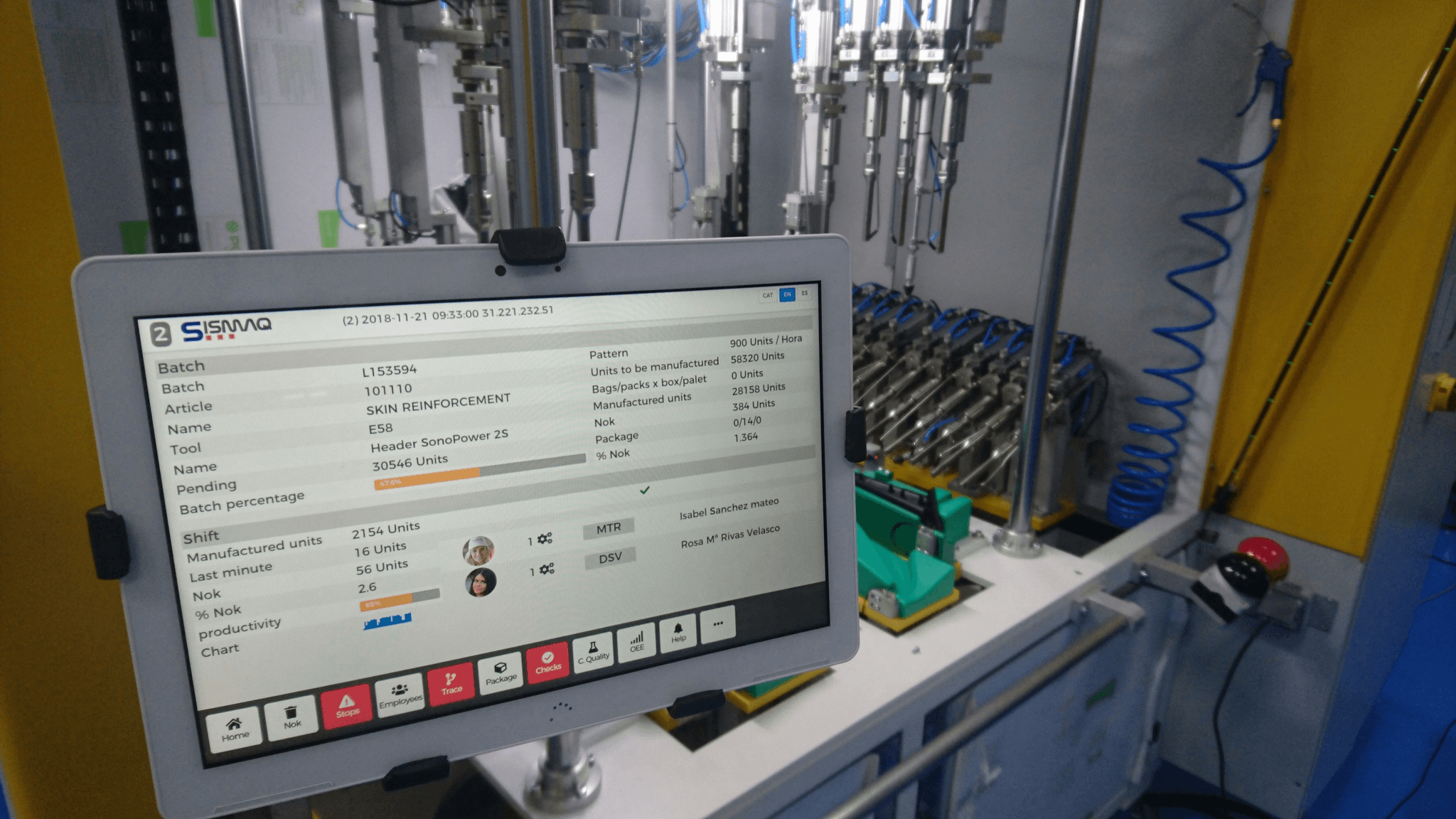
Quality control processes are essential for ensuring that products and services meet established standards of quality. By implementing effective quality control, businesses can not only enhance their reputation but also increase customer satisfaction and loyalty. Understanding the steps involved in controlling quality, the tools available for quality management, and common techniques can significantly improve a company's operational efficiency.
Steps to Control Quality Effectively
To effectively control the quality of products or services, organizations should follow a structured approach that begins with defining clear quality standards. This involves identifying specifications that align with customer expectations and regulatory requirements. Once these standards are established, regular monitoring and evaluation must take place to ensure adherence; this is where a quality assurance specialist plays a pivotal role in assessing compliance and facilitating improvements.
Next, it is crucial to implement corrective actions when deviations from established standards occur. This could involve retraining staff, adjusting processes, or enhancing product designs to prevent future issues. Finally, continuous improvement should be embraced as an ongoing commitment; businesses should regularly review their quality control service strategies to adapt to changing market demands and technological advancements.
Tools for Quality Management
Various tools exist that aid in effective quality management, each designed to streamline processes and enhance productivity within organizations. Statistical process control (SPC) is one such tool that helps monitor production processes through data analysis; it allows teams to identify variances before they escalate into serious problems affecting overall quality control. Moreover, software solutions like Six Sigma provide frameworks for reducing defects while improving operational efficiencies across various sectors.
Another valuable tool is the use of checklists during inspections; these help ensure that all necessary steps are taken when assessing product or service quality. Additionally, adopting Total Quality Management (TQM) principles encourages an organization-wide commitment to maintaining high-quality standards at every level of operation—this holistic approach ensures everyone understands their role in controlling the quality effectively.
Common Quality Control Techniques
When discussing how to control the quality within an organization effectively, several common techniques come into play that can streamline this process. One widely used method is the Plan-Do-Check-Act (PDCA) cycle which emphasizes continual improvement through iterative testing and adjustments based on feedback received during each phase of implementation—this cycle fosters proactive problem-solving rather than reactive fixes.
Another popular technique includes root cause analysis (RCA), which identifies underlying issues contributing to defects or failures within products or services; by addressing these root causes directly, companies can significantly reduce recurrence rates in future iterations. Additionally, employing inspection methods such as sampling plans allows organizations to assess large batches efficiently without compromising on thoroughness—ensuring consistent adherence to established quality benchmarks becomes more manageable with these techniques in place.
Real-World Applications of Quality Control

Quality control is not just a buzzword; it's a lifeline for many industries striving for excellence. From manufacturing to healthcare, quality control service plays a crucial role in ensuring that products and services meet the highest standards. When organizations prioritize quality and quality management, they not only enhance customer satisfaction but also foster brand loyalty, which is essential in today's competitive marketplace.
Industries That Benefit from Quality Control
Various industries reap the rewards of implementing effective quality control processes. In manufacturing, for instance, controlling the quality of raw materials and finished products can significantly reduce waste and increase efficiency. The healthcare sector also relies heavily on quality assurance specialists to ensure patient safety through rigorous testing and compliance with regulations.
The food industry isn't left out either; it uses stringent quality control measures to prevent contamination and ensure product safety. Similarly, the automotive industry employs advanced techniques to control and quality-check every component before assembly, ensuring that vehicles are safe for consumers. Ultimately, any sector that values precision and reliability stands to benefit immensely from robust quality control practices.
Case Studies of Successful Quality Control
One standout example of successful quality control comes from Toyota, which revolutionized manufacturing with its famous Toyota Production System (TPS). By focusing on continuous improvement (Kaizen) and empowering employees to stop production to address issues immediately, Toyota has consistently controlled the quality of its vehicles while minimizing waste. This commitment has led them to become one of the most trusted automotive brands globally.
Another notable case is Johnson & Johnson's handling of product recalls due to contamination concerns in their Tylenol line during the 1980s. Their swift action demonstrated how effective quality control can mitigate risks while maintaining consumer trust through transparency and accountability. These cases illustrate how organizations that prioritize a strong focus on controlling the quality can achieve remarkable success while navigating challenges effectively.
Lessons Learned from Quality Failures
While success stories are heartening, learning from failures is equally important in understanding the significance of proper quality control service. One infamous example is Boeing's 737 MAX crisis, where lapses in engineering oversight led to tragic accidents due to software flaws that went unchecked during development phases—showing how critical it is for companies to implement stringent controls over their processes.
Another lesson comes from Samsung’s Galaxy Note 7 battery debacle; inadequate testing protocols resulted in devices catching fire due to overheating batteries—a clear failure in controlling the quality at multiple levels within their supply chain management system. Such instances remind us that ignoring or underestimating the importance of robust quality management can have dire consequences not just for businesses but also for consumers' lives.
Quality Control and Regulatory Compliance

In today's business landscape, navigating industry regulations is crucial for maintaining high standards and ensuring product safety. Quality control service plays a pivotal role in this process, as it helps companies understand and implement the necessary compliance measures. By controlling the quality of their products, businesses can meet regulatory requirements while also enhancing customer trust.
Navigating Industry Regulations
Understanding industry regulations can feel like deciphering a complex puzzle, but quality control provides the clarity needed to piece it all together. Companies must stay updated on local and international standards that govern their specific industries—whether it's food safety, manufacturing, or pharmaceuticals. A dedicated quality assurance specialist can help organizations interpret these regulations and develop effective strategies to control and quality manage their processes accordingly.
The Link Between Quality Control and Compliance
Quality control is inherently linked to compliance; without effective quality management systems in place, meeting regulatory standards becomes nearly impossible. By implementing robust quality control measures, businesses not only adhere to legal requirements but also foster a culture of excellence within their operations. This connection between quality control and compliance ensures that products are safe for consumers while protecting companies from potential legal ramifications.
How Quality Control Can Mitigate Risks
Risk management is another critical aspect where quality control shines brightly; it helps organizations identify potential pitfalls before they escalate into significant issues. Through consistent monitoring and evaluation of processes, businesses can proactively address areas that may lead to non-compliance or product failures. By investing in a reliable quality control service, companies can effectively minimize risks associated with regulatory violations while enhancing overall operational efficiency.
Choosing the Right Quality Control Partner
Selecting the right quality control partner is crucial for ensuring that your products meet the highest standards. A reliable quality control service can help you maintain consistency and reliability, ultimately enhancing your brand reputation. With so many options available, understanding what to look for in a quality control partner will set you on the path to success.
What to Look For in a Quality Control Service
When searching for a quality control service, prioritize their experience and expertise in your specific industry. Look for a team of seasoned professionals, including qualified quality assurance specialists who understand the nuances of controlling quality effectively. Additionally, consider their track record—successful partnerships often hinge on proven methodologies and positive client testimonials.
Another important factor is the range of services offered by potential partners. A comprehensive quality control service should provide not only inspections but also guidance on how to implement effective quality management strategies tailored to your business needs. Lastly, ensure that they utilize advanced tools and technologies to monitor processes and deliver accurate results consistently.
Benefits of Partnering with China Inspection Pro
Partnering with China Inspection Pro offers numerous advantages that can significantly enhance your approach to quality control. Their extensive experience in international inspections ensures that you receive thorough evaluations tailored specifically for your products—be it textiles, electronics, or machinery. This specialized focus allows them to effectively control and manage quality throughout various production stages.
Moreover, China Inspection Pro's commitment to transparency means you'll always be informed about inspection results and any necessary corrective actions required to uphold standards. Working with such a dedicated team can streamline communication and foster trust between you and your suppliers—an essential component of successful business relationships focused on maintaining high-quality outputs.
Finally, leveraging their expertise can lead to cost savings over time by reducing defects and minimizing returns or recalls due to poor-quality products. With their support in controlling the quality process from start to finish, you’ll be able to concentrate more on growing your business while knowing that your product integrity is in expert hands.
Making the Most of Quality Control Relationships
To fully benefit from a partnership with a quality control service like China Inspection Pro, open communication is essential. Regularly engage with their team of experts about expectations regarding product specifications and desired outcomes; this dialogue fosters collaboration aimed at achieving optimal results in controlling quality effectively. The more aligned everyone is on objectives, the smoother each inspection process will be.
Additionally, invest time into understanding their methodologies; knowing what techniques they employ helps you appreciate how they enhance product integrity through effective management practices. By being proactive about learning from each inspection report or feedback session with your chosen partner, you'll gain valuable insights into areas needing improvement—not just within production but across all aspects of operations related to maintaining high standards.
Finally, treat this partnership as an ongoing relationship rather than a one-off transaction; nurturing this connection will yield long-term benefits as both parties work together toward continuous improvement in controlling and managing product quality over time.
Conclusion
In conclusion, the role of quality control service in enhancing business performance cannot be overstated. By implementing effective quality control measures, organizations can not only improve their products and services but also build a reputation for reliability and excellence. Ultimately, when businesses prioritize control and quality, they set themselves up for long-term success.
Enhancing Business Performance with Quality Control
Quality control is a critical component of any successful business strategy. By focusing on controlling the quality of products and services, companies can reduce errors, minimize waste, and boost customer satisfaction. This emphasis on quality management leads to improved operational efficiency and can significantly enhance overall business performance.
Moreover, a dedicated quality assurance specialist plays a vital role in ensuring that quality control processes are adhered to consistently. Their expertise allows businesses to identify potential issues before they escalate into significant problems, saving both time and resources in the long run. In this way, investing in quality control not only enhances product integrity but also fosters customer loyalty.
The Future of Quality Assurance
Looking ahead, the future of quality assurance is poised for transformation with advancements in technology and data analytics. As companies increasingly rely on real-time data to inform their decision-making processes, effective quality management will become more streamlined than ever before. The integration of artificial intelligence into quality control service will further enhance the ability to monitor production processes continuously.
Additionally, as global markets evolve and consumer expectations rise, businesses must adapt their approaches to maintain high standards of quality assurance. This means that organizations will need to invest more in training their staff on best practices for controlling the quality throughout all stages of production. The future will undoubtedly see an even greater emphasis on proactive rather than reactive strategies in managing quality.
How to Implement Effective Quality Management
Implementing effective quality management requires a clear understanding of what constitutes good practices within your organization’s specific context. Start by defining your objectives: What does quality mean for your products or services? Once you have clarity around this concept—often facilitated by a qualified quality assurance specialist—you can develop tailored strategies that align with your goals.
Next, ensure that your team is equipped with the necessary tools for monitoring and evaluating performance consistently; this includes adopting common techniques used in effective quality control processes such as Six Sigma or Total Quality Management (TQM). Regular training sessions can help reinforce these practices while keeping everyone aligned on the importance of maintaining high standards across all operations.
Lastly, foster an organizational culture that values continuous improvement through open communication regarding successes and failures alike—this transparency is key to understanding how well you are controlling the quality within your operations over time.