
Introduction
In today's competitive landscape, the importance of quality in industry cannot be overstated. Businesses that prioritize stringent quality measures not only enhance their reputation but also ensure customer satisfaction and safety. This is where industrial inspection services come into play, serving as a critical component in maintaining high standards across various sectors.
Importance of Quality in Industry
Quality is the backbone of any successful industry; it defines a company’s reliability and integrity. When products meet or exceed quality expectations, they foster trust among consumers and partners alike. Moreover, maintaining high-quality standards can significantly reduce costs associated with defects and recalls, making it an essential focus for any business aiming for long-term success.
Understanding Industrial Inspection Services
Industrial inspection services encompass a wide range of evaluations designed to assess product quality and compliance with industry standards. These services include everything from visual inspections to comprehensive testing protocols, ensuring that every aspect of production meets specified criteria. By utilizing these services, businesses gain valuable insights into their processes through detailed qc inspection reports that highlight areas for improvement.
Enhancing Compliance and Safety
Compliance with regulatory standards is vital for industries ranging from manufacturing to pharmaceuticals; this is where industrial inspection services shine. They help organizations navigate complex regulations while ensuring that safety measures are effectively implemented throughout production processes. Additionally, thorough inspections contribute to the overall safety of products, safeguarding both consumers and workers alike by minimizing risks associated with subpar quality.
Overview of Industrial Inspection Services

In the world of manufacturing and production, industrial inspection services play a pivotal role in maintaining quality and safety standards. These services encompass a range of evaluations to ensure that products meet specified requirements before they reach the market. By utilizing industrial inspection services, businesses can mitigate risks, enhance compliance, and ultimately safeguard their reputation.
What are Industrial Inspection Services?
Industrial inspection services refer to systematic evaluations conducted to assess the quality and safety of products or processes within various industries. These inspections can range from initial assessments during production to final evaluations before shipment, ensuring that every aspect meets regulatory standards. Understanding what these services entail is crucial for businesses aiming to maintain high-quality outputs and adhere to industry regulations.
Key Types of Inspections Offered
There are several key types of inspections offered under industrial inspection services, each tailored to specific needs within different sectors. Among them are visual inspections, non-destructive testing (NDT), and factory acceptance tests (FAT). Each type serves a distinct purpose; for instance, the factory acceptance test checklist ensures that equipment or systems function correctly before leaving the manufacturer’s premises.
Benefits for Different Industries
The benefits of industrial inspection services extend across multiple industries, including manufacturing, construction, and energy sectors. By implementing thorough inspections, companies can identify defects early on, reducing costly rework and enhancing product reliability. Additionally, obtaining a qc inspection report not only improves operational efficiency but also instills confidence in customers regarding product quality—an essential factor in today’s competitive market.
The Role of 3rd Party Quality Inspection
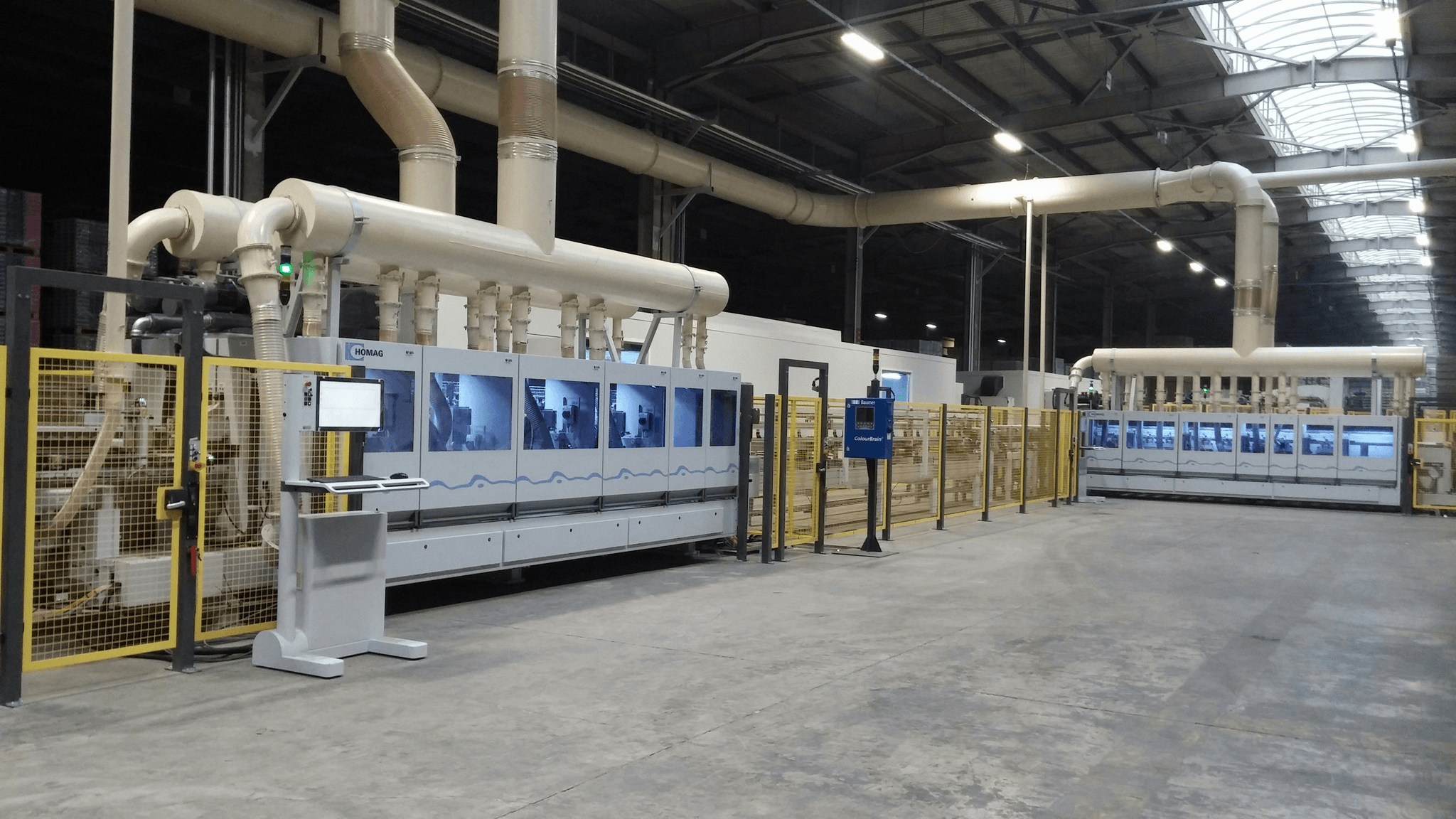
In the ever-evolving landscape of manufacturing and production, ensuring product quality is paramount. One effective way to achieve this is through 3rd party quality inspection, a service that provides an independent assessment of products and processes. This not only helps businesses maintain compliance with industry standards but also enhances customer trust.
What is 3rd Party Quality Inspection?
At its core, 3rd party quality inspection involves hiring an external organization to evaluate products or services before they reach the market. These inspectors are trained professionals who utilize various methods, including the factory acceptance test checklist, to ensure that everything meets specified requirements. By employing industrial inspection services from a third-party provider, companies can gain objective insights into their production processes and product quality.
Why Should Businesses Choose It?
Businesses should consider 3rd party quality inspection for several compelling reasons. Firstly, it provides an unbiased evaluation that can highlight issues often overlooked during internal inspections. Secondly, by utilizing these services, companies can significantly reduce the risk of defective products reaching consumers, thus avoiding costly recalls and enhancing overall safety—something every business strives for in today’s competitive environment.
Moreover, integrating a qc inspection report into your quality management system can streamline operations and improve efficiency. When businesses choose third-party inspections, they also demonstrate commitment to high standards and transparency in their operations—qualities that resonate well with customers seeking reliable products.
How It Enhances Credibility
The credibility gained from using 3rd party quality inspection cannot be overstated; it serves as a badge of honor for manufacturers striving for excellence. Obtaining a manufacturer certificate from reputable inspectors adds significant weight to your brand's reputation in the marketplace. Customers are more likely to trust products with verified quality assurance processes backed by credible inspections.
Furthermore, having comprehensive qc inspection reports readily available showcases transparency and reinforces customer confidence in your brand's commitment to delivering top-notch products. In today’s world where information travels fast, establishing credibility through independent inspections can be a game-changer for businesses looking to stand out amidst fierce competition.
Navigating the Factory Acceptance Test Checklist
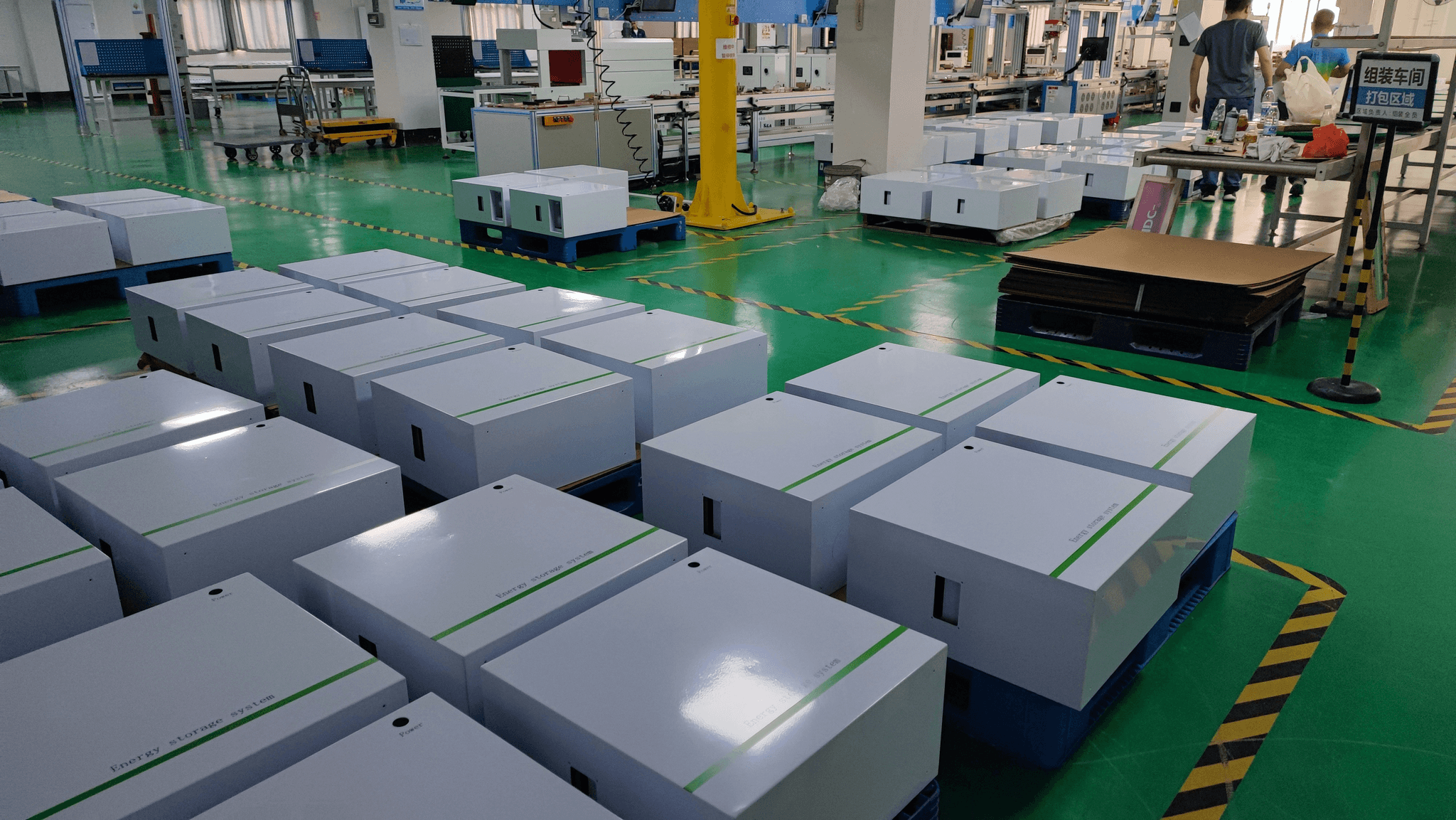
When it comes to ensuring that products meet required standards before they hit the market, the Factory Acceptance Test (FAT) checklist is a crucial tool. This checklist serves as a roadmap for industrial inspection services, guiding manufacturers and clients alike through the necessary steps to confirm product readiness. By systematically addressing all aspects of production, businesses can significantly reduce risks associated with quality and compliance.
Understanding the Factory Acceptance Test
The Factory Acceptance Test is an evaluation conducted at a manufacturer's facility before equipment or systems are shipped to their final destination. Essentially, it is a thorough examination designed to verify that everything operates according to specifications and meets regulatory standards. Understanding what is the purpose of quality control testing? In this context, it's about ensuring that products not only meet customer requirements but also comply with industry regulations—providing peace of mind for both manufacturers and clients.
Essential Elements of the Checklist
A comprehensive factory acceptance test checklist typically includes several essential elements, such as performance verification, safety checks, and compliance with technical specifications. Each item on this checklist should be tailored to reflect specific industry needs while encompassing general quality assurance practices found in qc inspection reports. By adhering to these critical components, businesses can facilitate effective 3rd party quality inspection processes that lead to greater accountability and transparency in manufacturing.
Role in Ensuring Product Readiness
The role of the factory acceptance test checklist cannot be overstated when it comes to ensuring product readiness for market launch. It acts as both a diagnostic tool and a certification process—helping companies secure their manufacturer certificate by demonstrating adherence to established standards and protocols. Ultimately, navigating this checklist not only enhances product reliability but also boosts consumer confidence in industrial inspection services by showcasing commitment to quality control throughout production.
Quality Control Testing: Purpose and Scope
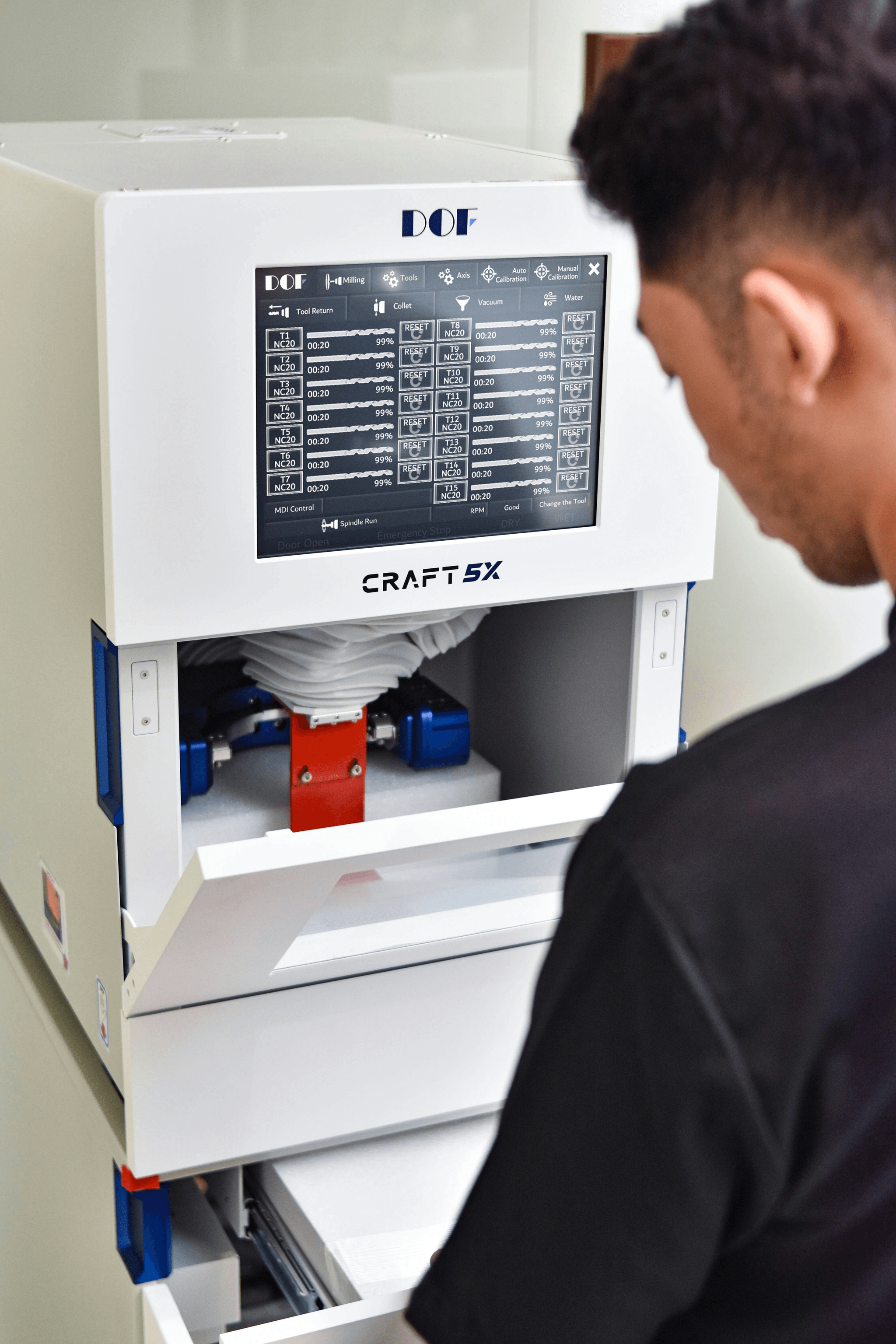
Quality control testing is a critical component of industrial inspection services, ensuring that products meet established standards before they reach the market. The primary purpose of quality control testing is to identify defects or inconsistencies in products, preventing potential failures and ensuring customer satisfaction. By addressing quality concerns early in the production process, businesses can save time and resources while enhancing their reputation for reliability.
What is the Purpose of Quality Control Testing?
What is the purpose of quality control testing? At its core, it aims to maintain product integrity by verifying that items conform to specific requirements and standards. This process not only helps manufacturers avoid costly recalls but also builds trust with customers who expect high-quality products backed by certifications like the manufacturer certificate.
Moreover, effective quality control testing can significantly reduce variability in production outputs, leading to increased efficiency and consistency across batches. By employing rigorous testing methods as part of their industrial inspection services, companies can ensure they deliver reliable products that meet regulatory compliance and safety standards. Ultimately, this proactive approach fosters long-term success in competitive markets.
Key Testing Methods Explained
In the realm of industrial inspection services, there are several key testing methods employed to evaluate product quality effectively. Some commonly used techniques include visual inspections, non-destructive testing (NDT), destructive testing, and performance assessments tailored to specific industries. Each method has its strengths; for example, NDT allows for thorough assessments without damaging the item being tested.
Visual inspections are often the first line of defense against defects; trained inspectors examine items against established criteria outlined in documents like the factory acceptance test checklist. Meanwhile, destructive tests provide valuable data on material properties but do sacrifice samples for analysis—an important consideration when planning production runs. By integrating these various methods into a comprehensive qc inspection report framework, businesses can make informed decisions about product readiness.
Integrating Testing in Production Processes
Integrating quality control testing into production processes is essential for maximizing efficiency and minimizing risks associated with defective products. Businesses should establish protocols that outline when and how inspections will occur throughout various stages of manufacturing—this ensures consistent adherence to industry standards set forth by relevant regulations or certifications like a manufacturer certificate.
By embedding 3rd party quality inspection into their operations, companies can benefit from unbiased evaluations that enhance credibility among stakeholders and customers alike. Regularly reviewing qc inspection reports generated during these evaluations can help organizations identify trends over time—empowering them to implement corrective actions proactively rather than reactively addressing issues after they arise.
In conclusion, well-executed quality control testing not only safeguards product integrity but also reinforces an organization's commitment to excellence within its industry sector.
The Manufacturer Certificate: What to Know
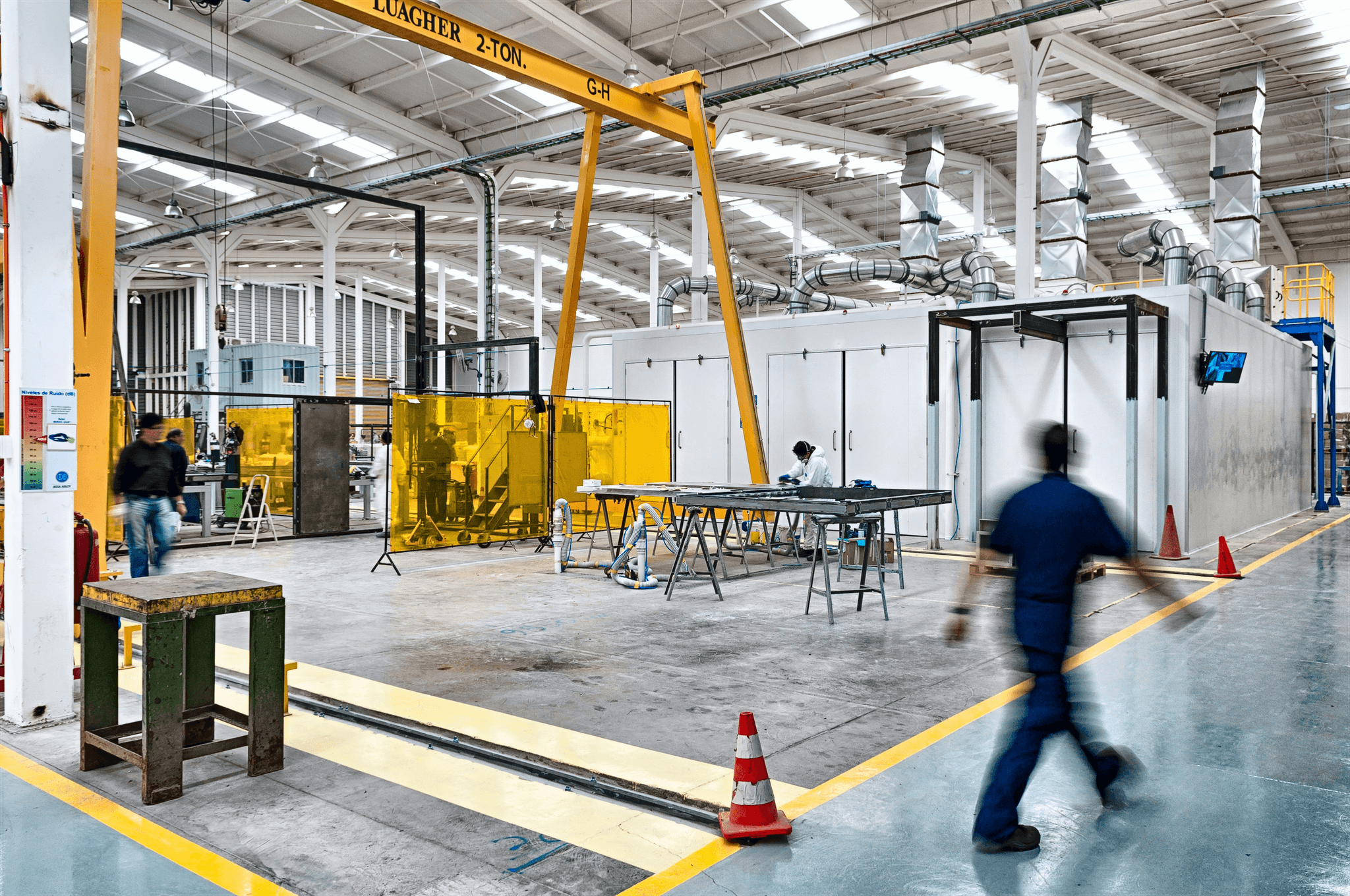
In the world of industrial inspection services, the Manufacturer Certificate stands as a vital document that signifies compliance and quality assurance. This certificate not only serves as proof that products meet established standards but also enhances trust among clients and partners. Understanding its significance is crucial for businesses aiming to maintain high-quality outputs.
Significance of the Manufacturer Certificate
The Manufacturer Certificate is essential for demonstrating adherence to industry regulations and standards, which can vary from one sector to another. It acts as a badge of honor, showcasing a company’s commitment to quality control processes, including those outlined in the factory acceptance test checklist. Moreover, possessing this certificate can significantly influence customer decisions, making it a pivotal element in the realm of 3rd party quality inspection.
Beyond just regulatory compliance, having a Manufacturer Certificate can open doors to new markets and clients who prioritize safety and quality assurance in their procurement processes. It reassures stakeholders that rigorous quality control testing has taken place and that products are ready for use or sale. In essence, this certification does more than validate; it elevates a brand's reputation in competitive industries.
How to Obtain It
Obtaining a Manufacturer Certificate typically involves several steps that require thorough preparation and documentation. Companies must first engage with accredited industrial inspection services that specialize in evaluating their production processes against relevant standards. Once the necessary inspections are completed—often documented through detailed qc inspection reports—businesses can apply for certification through recognized bodies.
The process may include submitting proof of compliance with specific regulations, passing various inspections (including those relating to what is the purpose of quality control testing?), and demonstrating consistent manufacturing practices over time. It's advisable for companies to consult with experts in third-party inspections who can guide them through the labyrinthine requirements efficiently. This proactive approach not only streamlines certification acquisition but also strengthens overall operational integrity.
Impact on Business Operations
The impact of holding a Manufacturer Certificate extends far beyond mere paperwork; it fundamentally influences business operations at multiple levels. First off, it fosters confidence among customers by assuring them that products have undergone stringent evaluations via industrial inspection services before reaching their hands. This trust can lead to increased sales, repeat business, and an enhanced company image.
Additionally, having this certificate allows businesses to navigate complex supply chains more effectively by meeting compliance requirements set forth by clients or regulatory agencies globally. Companies with valid certifications often enjoy smoother negotiations with suppliers and distributors who prioritize working with compliant entities—making them more competitive in their respective markets. Ultimately, integrating this certification into daily operations reinforces an organization's commitment to excellence while promoting continuous improvement across all facets of production.
Conclusion
In conclusion, the significance of industrial inspection services cannot be overstated. These services play a critical role in ensuring product quality, compliance, and safety across various industries. By understanding how to choose the right inspection services, businesses can enhance their operational efficiency and build trust with their clients.
Choosing the Right Industrial Inspection Services
Selecting the appropriate industrial inspection services involves careful consideration of your specific needs and industry standards. Different sectors may require unique inspections, so it’s essential to assess what is most relevant for your operations. Additionally, partnering with reputable providers of 3rd party quality inspection can offer an unbiased perspective on your processes and products.
When evaluating potential service providers, look for those who understand the nuances of the factory acceptance test checklist relevant to your industry. Their expertise can help ensure that all necessary checks are performed efficiently and effectively. Ultimately, making an informed choice will lead to enhanced product reliability and customer satisfaction.
Importance of Comprehensive Quality Control
Comprehensive quality control is vital for maintaining high standards in production processes and ensuring that products meet regulatory requirements. Understanding what is the purpose of quality control testing? It serves as a preventive measure against defects that could lead to costly recalls or damage to brand reputation. By integrating robust QC measures into every stage of production, companies can minimize risks and optimize their output.
Furthermore, having a well-structured approach to quality control testing allows businesses to identify areas for improvement continuously. Regular analysis through qc inspection reports provides valuable insights into operational performance and product integrity. This proactive stance not only enhances product quality but also fosters a culture of excellence within the organization.
Leveraging Insights from QC Inspection Reports
QC inspection reports are treasure troves of information that can guide strategic decisions within a company. By leveraging insights from these reports, businesses can pinpoint weaknesses in their manufacturing processes or supply chain management practices that need addressing. Moreover, these reports often highlight compliance levels with industry regulations which is crucial for obtaining necessary certifications like the manufacturer certificate.
In addition to guiding improvements, these insights also serve as evidence during audits or when seeking partnerships with other organizations requiring transparency in operations. The data derived from qc inspection reports helps build credibility with stakeholders by demonstrating commitment to quality assurance practices across all levels of production. In essence, utilizing these insights effectively transforms potential challenges into opportunities for growth.