
Introduction

In today's competitive market, understanding quality control certification is crucial for manufacturers seeking to enhance their reputation and product reliability. Quality control certification serves as a testament to a manufacturer's commitment to maintaining high standards, ensuring that products meet both regulatory requirements and customer expectations. With the right certifications, businesses can not only improve their operational processes but also gain a significant edge over competitors.
Understanding Quality Control Certification
Quality control certification is more than just a piece of paper; it's an assurance that products are consistently produced according to established standards. This certification often involves rigorous assessments and evaluations, including comprehensive QC inspection reports that document compliance with quality benchmarks. By obtaining a manufacturer certificate, businesses can demonstrate their dedication to quality and safety, fostering trust among consumers.
Importance of ISO Certification Services
ISO certification services play a pivotal role in helping manufacturers navigate the complexities of quality management systems. These services ensure that organizations adhere to international standards, which enhances credibility and marketability across various sectors. Furthermore, having an ISO certification not only boosts customer confidence but also streamlines processes through established guidelines for quality assurance and improvement.
Overview of Quality Control Testing
Quality control testing is integral to maintaining product integrity throughout the manufacturing process. So, what is the purpose of quality control testing? Essentially, it aims to identify defects early on and ensure that products meet specified criteria before they reach the consumer's hands—this includes using tools like factory acceptance test checklists and visual inspection services for thorough evaluations. By implementing effective quality control measures, manufacturers can proactively address issues and reduce waste while enhancing overall efficiency.
What is Quality Control Certification?
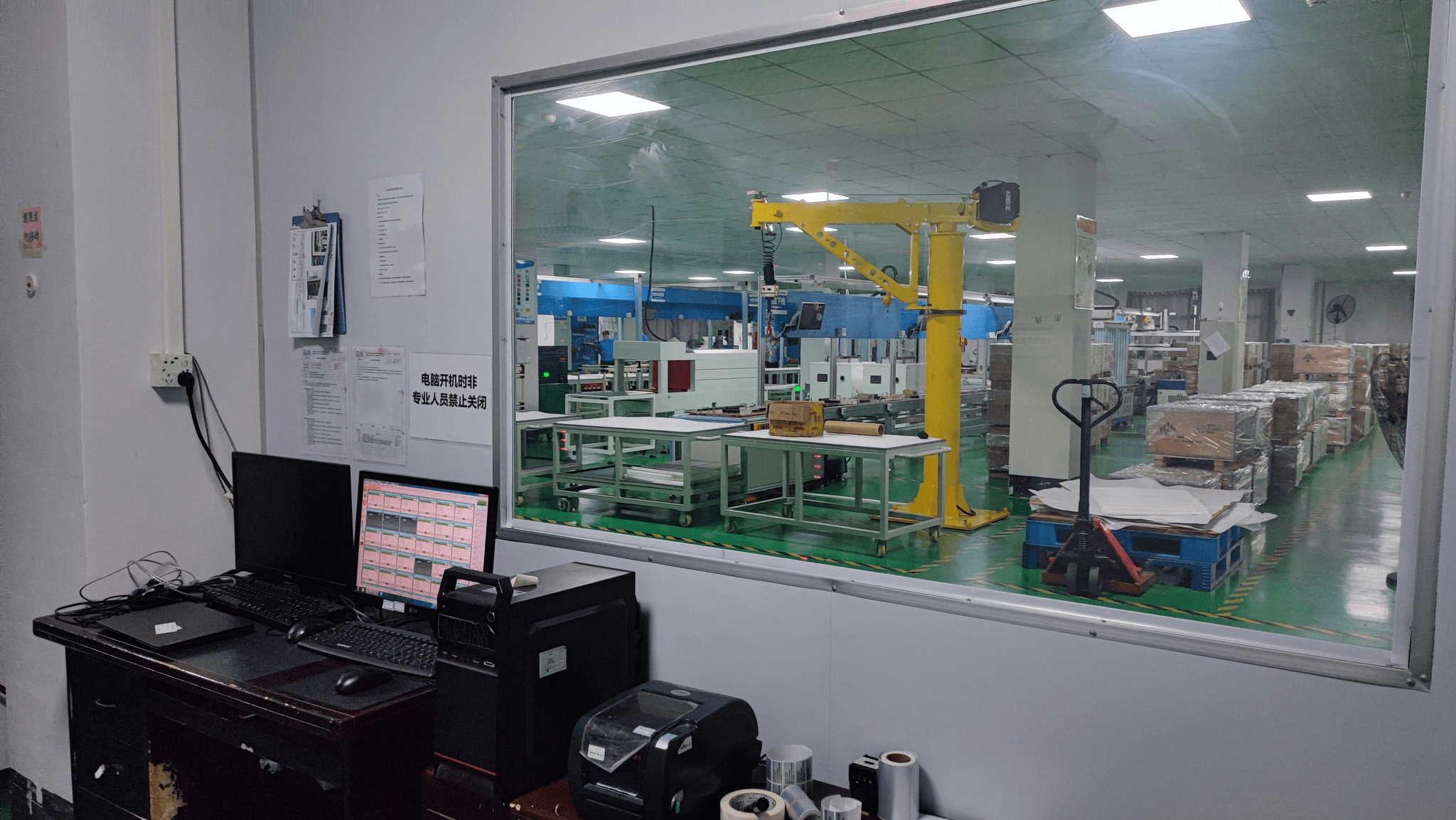
Quality Control Certification is a formal validation that a manufacturer adheres to established quality standards, ensuring their products meet specific requirements. This certification process involves various components, including rigorous testing and documentation, to guarantee consistent quality in production. By obtaining a manufacturer certificate, businesses not only enhance their credibility but also signal their commitment to excellence in the eyes of consumers and partners.
Definition and Key Components
At its core, Quality Control Certification serves as a benchmark for product quality and reliability. Key components include comprehensive qc inspection reports that detail the findings from inspections, as well as adherence to established protocols like the factory acceptance test checklist. These elements collectively ensure that products are thoroughly evaluated before reaching the market, reducing the risk of defects and ensuring customer satisfaction.
Benefits for Manufacturers
Manufacturers who pursue Quality Control Certification enjoy several advantages that significantly impact their operations and reputation. Firstly, it fosters trust among consumers by demonstrating a commitment to quality, which can lead to increased sales and customer loyalty. Additionally, having a manufacturer certificate can streamline processes with suppliers and retailers who prioritize certified products in their procurement strategies.
The Role of ISO Standards
ISO standards play a pivotal role in shaping Quality Control Certification by providing an internationally recognized framework for quality management systems. These standards establish guidelines that help manufacturers implement effective processes for maintaining product integrity through visual inspection services and other quality assurance methods. By aligning with ISO standards, manufacturers not only enhance their operational efficiency but also position themselves favorably in competitive markets.
The Purpose of Quality Control Testing

Quality control testing serves as the backbone of manufacturing processes, ensuring that products meet specified standards and customer expectations. By implementing rigorous quality control measures, manufacturers can identify defects early in the production process, thus saving time and resources. Ultimately, quality control testing not only enhances product reliability but also protects a manufacturer’s reputation in a competitive market.
Why Quality Control Matters
Quality control is essential for maintaining consistency across products and minimizing variability that could lead to defects. It acts as a safety net for manufacturers, allowing them to catch issues before they escalate into larger problems that might affect customer satisfaction or lead to costly recalls. With a solid quality control framework in place, manufacturers can confidently provide their customers with a manufacturer certificate that assures compliance with industry standards.
What is the Purpose of Quality Control Testing?
So, what is the purpose of quality control testing? At its core, it aims to verify that products meet predetermined specifications and are fit for use. This involves utilizing tools such as QC inspection reports and factory acceptance test checklists to systematically assess product quality throughout various stages of production.
Real-World Applications in Manufacturing
In real-world manufacturing scenarios, quality control testing finds application in diverse sectors—from electronics to automotive industries—ensuring that every component meets stringent requirements before reaching consumers. For instance, visual inspection services are often employed to examine parts for surface defects or inconsistencies that could compromise functionality. Additionally, 3rd party quality inspections provide an unbiased assessment of product integrity and adherence to established standards, further reinforcing trust between manufacturers and clients.
The Process of Obtaining ISO Certification
Obtaining ISO certification can seem like a daunting task, but with a clear process in place, manufacturers can navigate it successfully. This journey is not just about ticking boxes; it's about embracing quality and ensuring that products meet global standards. By understanding the steps involved, businesses can streamline their efforts and enhance their credibility in the marketplace.
Steps Toward Certification
The first step toward obtaining a manufacturer certificate is to conduct a thorough gap analysis. This involves assessing current quality control practices against ISO standards to identify areas needing improvement. Once gaps are identified, manufacturers should develop an action plan to address these issues, ensuring that they align with what is the purpose of quality control testing?—to enhance product reliability and customer satisfaction.
Next comes the implementation phase, where manufacturers establish processes and procedures in accordance with ISO requirements. This includes training staff on new protocols and integrating quality control tools effectively into daily operations. Finally, organizations must prepare for an audit by conducting internal assessments to ensure compliance before engaging with a certification body.
Documentation and Compliance
Documentation is crucial in the ISO certification process; it serves as evidence of compliance with established standards. Manufacturers must maintain detailed records of their quality management system (QMS), including qc inspection reports that outline inspection results and corrective actions taken when necessary. These documents not only facilitate smoother audits but also provide transparency regarding how products meet safety and quality benchmarks.
Compliance goes hand-in-hand with documentation; it's not enough to have paperwork without adhering to what's outlined in them. Regular reviews of procedures are essential to ensure ongoing alignment with ISO standards while also adapting to any changes within production processes or market demands. By committing to continuous improvement through proper documentation practices, manufacturers can strengthen their chances of obtaining—and maintaining—the coveted manufacturer certificate.
The Role of 3rd Party Quality Inspection
Engaging a 3rd party quality inspection service can significantly bolster the chances of successful certification by providing an unbiased assessment of manufacturing processes and product quality. These independent inspectors utilize tools like the factory acceptance test checklist to evaluate equipment performance and product conformity before they reach consumers' hands. Their expertise allows manufacturers to identify potential issues early on, saving time and resources down the line.
Moreover, visual inspection services offered by third-party providers add another layer of assurance for manufacturers seeking compliance with ISO standards. These services involve meticulous examination of products at various stages—ensuring defects are caught before they escalate into larger problems that could jeopardize certification efforts or customer satisfaction levels. In essence, leveraging these external insights helps companies build robust QMS while enhancing overall trustworthiness in their operations.
Quality Control Tools and Techniques

In the realm of quality control, having the right tools and techniques can mean the difference between a product that meets standards and one that falls short. Effective quality control practices are essential for manufacturers aiming to secure their manufacturer certificate while ensuring customer satisfaction. By utilizing various QC inspection reports, checklists, and visual inspection services, businesses can enhance their quality assurance processes significantly.
Utilizing QC Inspection Reports
QC inspection reports serve as vital documents in the quality control process, providing detailed insights into product compliance and performance. These reports highlight areas where products meet or fail to meet established standards, making them indispensable for manufacturers seeking a manufacturer certificate. By regularly reviewing these QC inspection reports, companies can identify trends over time, allowing them to make informed decisions about improvements in their production processes.
Additionally, these reports often include recommendations for corrective actions based on findings from 3rd party quality inspections. This external validation adds an extra layer of credibility to the results presented in the QC inspection report. Overall, leveraging these documents can lead to better product integrity and a smoother path toward achieving ISO certification.
The Factory Acceptance Test Checklist Explained
A factory acceptance test checklist is a structured tool designed to ensure that equipment or systems meet specified requirements before being approved for use. This checklist outlines critical criteria that must be met during testing phases—essentially answering what is the purpose of quality control testing? It acts as both a roadmap and a verification tool for manufacturers striving to achieve consistent quality in their products.
By adhering to this checklist during production phases, manufacturers can systematically evaluate each aspect of their operations against industry standards. The factory acceptance test checklist not only helps streamline compliance but also serves as documentation that can be referenced during audits or when applying for a manufacturer certificate. Ultimately, it empowers businesses by enhancing transparency throughout the manufacturing process.
Visual Inspection Services for Quality Assurance
Visual inspection services play an integral role in maintaining high-quality standards within manufacturing environments. These services involve trained inspectors assessing products visually to identify defects or deviations from specifications—a crucial step in understanding what is the purpose of quality control testing? By implementing visual inspections early in the production cycle, manufacturers can catch issues before they escalate into larger problems down the line.
Moreover, visual inspection services complement other tools like QC inspection reports by providing real-time feedback on product condition and compliance with ISO standards. When combined with 3rd party quality inspections, these services enhance overall reliability and trustworthiness in product offerings—making it easier for companies to obtain their manufacturer certificate with confidence. Ultimately, investing in robust visual inspection protocols contributes significantly to maintaining product integrity and customer satisfaction.
Choosing the Right Certification Service Provider

Selecting the right certification service provider is a crucial step for manufacturers aiming to achieve quality control certification. With numerous options available, it’s essential to consider factors that align with your specific needs and goals. A well-chosen provider can streamline the process of obtaining a manufacturer certificate, ensuring compliance with ISO standards and enhancing product integrity.
Criteria for Selecting a Provider
When evaluating potential certification service providers, several criteria should be prioritized. First and foremost, look for experience in quality control testing and a proven track record in issuing manufacturer certificates. Additionally, consider their familiarity with industry-specific standards; this knowledge is key to understanding what is the purpose of quality control testing? Ultimately, a provider that demonstrates expertise in 3rd party quality inspection will be invaluable in navigating your certification journey.
Another important criterion is the range of services offered. Providers should not only assist in attaining ISO certification but also offer comprehensive QC inspection reports and visual inspection services to ensure ongoing compliance and product excellence. Transparency regarding fees and timelines can also indicate reliability; you want a partner who communicates clearly about what you can expect throughout the process.
Lastly, seek testimonials or case studies from other manufacturers who have successfully used their services. Positive feedback about how effectively they handled factory acceptance test checklists or addressed specific challenges can provide insight into their capabilities.
The Advantages of China Inspection Pro
China Inspection Pro stands out as an exceptional choice for manufacturers seeking quality control certification services. Their extensive experience in the industry equips them with insights into various manufacturing environments, making them adept at handling diverse QC inspection reports tailored to different sectors. Furthermore, they understand local regulations while aligning with international ISO standards—an essential factor when considering global market entry.
One significant advantage of partnering with China Inspection Pro is their focus on thorough inspections using advanced techniques like visual inspection services and detailed factory acceptance test checklists. This ensures that every aspect of production meets stringent quality benchmarks before products reach consumers or international markets. Their team’s commitment to transparency means you’ll receive comprehensive updates throughout the process—no hidden surprises!
Additionally, China Inspection Pro offers personalized support tailored specifically to your manufacturing needs, allowing you to leverage their expertise effectively for improved product quality outcomes. By choosing them as your certification service provider, you're opting for a partner dedicated not just to meeting requirements but exceeding expectations.
Leveraging Expertise for Improved Quality
In today’s competitive landscape, leveraging expert knowledge becomes paramount when pursuing quality control certification through third-party providers like China Inspection Pro. Their proficiency allows manufacturers to navigate complex regulatory frameworks seamlessly while ensuring adherence to vital standards such as ISO certifications—this ultimately enhances overall product integrity across all levels of production.
By utilizing detailed QC inspection reports generated by experienced professionals during testing phases, businesses gain valuable insights into potential areas needing improvement before products reach consumers’ hands—a proactive approach that saves time and resources! Moreover, incorporating structured factory acceptance test checklists ensures that every critical aspect has been evaluated thoroughly prior to final approval.
Incorporating these practices not only fosters higher-quality outputs but also instills confidence among stakeholders regarding product reliability—an essential element when aiming for long-term success in any market! By engaging experts who specialize in visual inspection services alongside robust documentation processes like those offered by China Inspection Pro or similar providers; manufacturers position themselves favorably against competitors while building trust within their customer base.
Conclusion
In a world where quality reigns supreme, the benefits of Quality Control Certification cannot be overstated. Manufacturers who invest in certification not only enhance their credibility but also gain a competitive edge in the marketplace. By adhering to rigorous standards, they ensure that their products meet consumer expectations and regulatory requirements, ultimately leading to increased customer satisfaction.
Benefits of Quality Control Certification
Quality Control Certification serves as a badge of honor for manufacturers, signaling their commitment to excellence. With a valid manufacturer certificate, businesses can build trust with clients and partners alike, making it easier to establish long-lasting relationships. Additionally, certified companies often experience streamlined operations and reduced waste through improved processes—key benefits that directly impact the bottom line.
Moreover, obtaining a manufacturer certificate can open doors to new markets and opportunities. Many global clients prefer partnering with certified suppliers due to the assurance of consistent quality and reliability. This not only enhances reputation but also fosters growth as businesses expand into new territories.
Enhancing Product Integrity with ISO Standards
ISO standards play an essential role in enhancing product integrity across various industries. By aligning with these international benchmarks, manufacturers can ensure that their processes are efficient and effective while minimizing risks associated with product defects. In turn, this leads to higher-quality output that meets or exceeds customer expectations.
Implementing visual inspection services is one effective way companies uphold ISO standards during production processes. These services provide an additional layer of scrutiny that helps identify potential issues before products reach consumers. Ultimately, adherence to ISO standards allows manufacturers to maintain consistent quality while safeguarding their brand's reputation.
Furthermore, utilizing tools such as the factory acceptance test checklist ensures thorough evaluations of equipment and systems before they go live in production environments. This proactive approach not only reduces downtime but also reinforces compliance with established quality control measures—ensuring products deliver on promises made by the brand.
Making Informed Decisions through Quality Insights
Making informed decisions is crucial for any business aiming for success in today's competitive landscape—and quality insights are invaluable in this regard. By analyzing qc inspection reports regularly, manufacturers can identify trends or recurring issues within their production lines that may require attention or adjustment. This data-driven approach empowers organizations to implement corrective actions swiftly and effectively.
Moreover, engaging 3rd party quality inspection services provides an unbiased perspective on product performance and adherence to specifications—further enabling informed decision-making processes within manufacturing operations. These external assessments help organizations identify areas for improvement while validating compliance with industry standards.
In conclusion, investing time and resources into understanding what is the purpose of quality control testing? will yield significant returns for manufacturers willing to commit themselves fully to maintaining high-quality outputs consistently over time. When all these elements come together harmoniously—certification status bolstered by diligent inspections—the result is a robust framework for producing exceptional products that stand out in today’s market landscape.