
Introduction
In the fast-paced world of fashion, the significance of Quality Control in the Clothing Industry cannot be overstated. With consumers increasingly discerning about what they wear, ensuring high-quality apparel is essential not only for customer satisfaction but also for brand loyalty. This introduction sets the stage for a journey through the various facets of quality control, highlighting its critical role in maintaining standards and addressing common pitfalls faced by brands.
Understanding Quality Control in Apparel
Quality control in apparel encompasses a series of systematic processes designed to monitor and maintain product standards throughout production. It involves rigorous assessments at every stage—pre-production, in-process, and post-production—to ensure that garments meet specific quality benchmarks before reaching consumers. By implementing effective quality control measures, brands can minimize defects and enhance their overall product offerings.
Importance of Quality in Fashion Industry
The importance of quality in the fashion industry transcends mere aesthetics; it directly impacts brand reputation and consumer trust. High-quality apparel not only attracts customers but also fosters long-term loyalty as shoppers return for reliable products that meet their expectations. In an era where social media amplifies both praise and criticism, maintaining stringent quality standards is paramount to avoid negative publicity.
Common Issues Faced in Quality Control
Despite best efforts, many brands encounter common issues during their quality control processes that can lead to significant setbacks. These challenges may include inconsistent material sourcing, inadequate worker training on quality awareness, or lapses during final inspections before shipment—known as Post-Production Quality Control (Pre-shipment Inspection) for apparel. Addressing these issues head-on is crucial for ensuring that products meet market demands while upholding a brand’s integrity.
Overview of Quality Control in the Clothing Industry
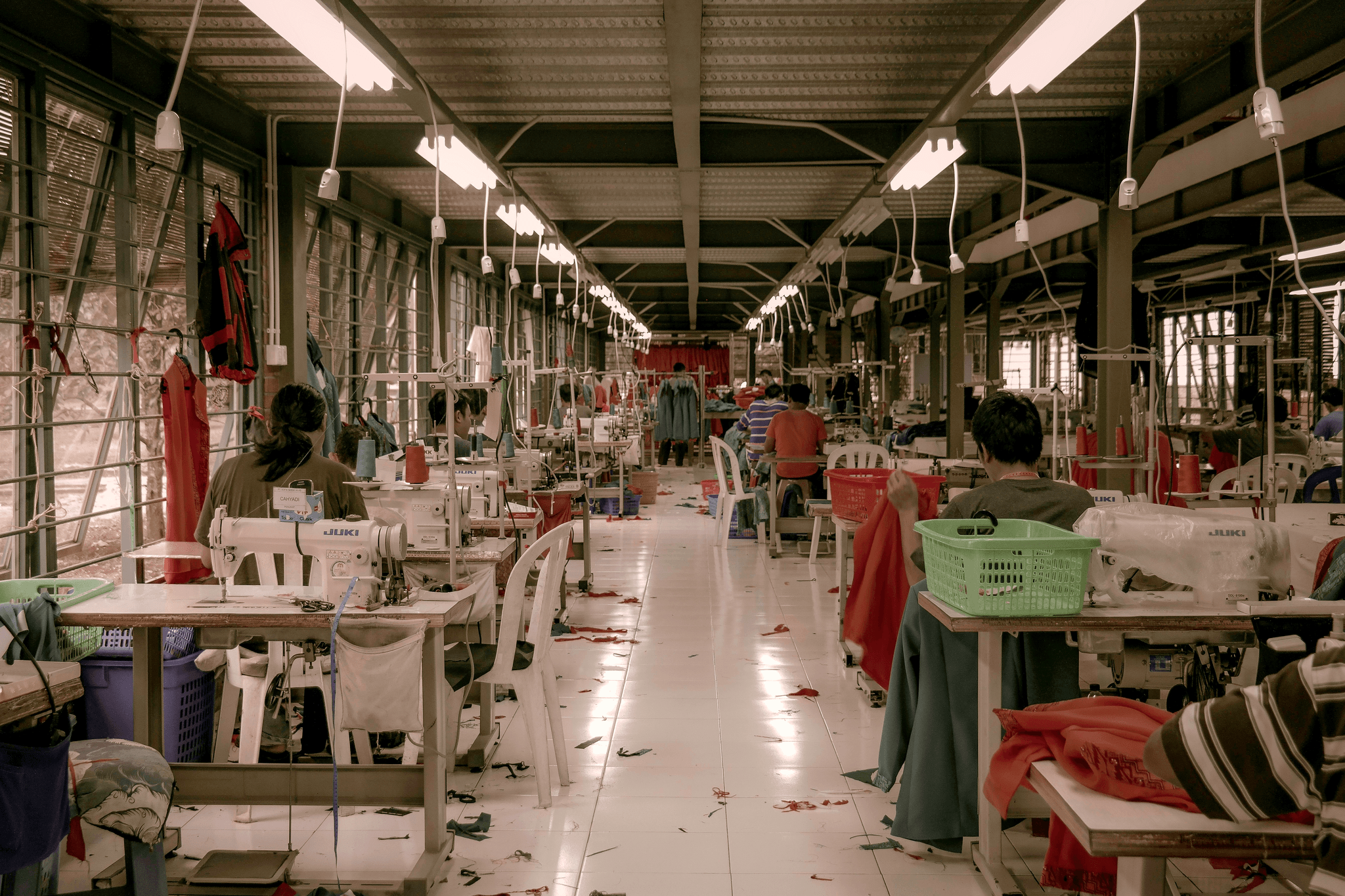
In the fast-paced world of fashion, **Quality Control in the Clothing Industry** serves as a crucial backbone to ensure that products meet both aesthetic and functional standards. It encompasses a series of processes designed to maintain product quality from conception through to delivery. By implementing effective quality control measures, brands can mitigate risks associated with defects and improve customer satisfaction.
Defining Quality Control in Apparel
Quality control in apparel refers to all activities aimed at ensuring that garments meet specific standards before reaching consumers. This includes assessing materials, workmanship, and overall design integrity throughout different stages: pre-production, in-process, and post-production. Understanding how to check apparel quality is vital for manufacturers and consumers alike; it helps identify any discrepancies early on and ensures that only top-notch products make it to market.
Role of Quality Control in Brand Reputation
The role of quality control extends beyond mere compliance; it significantly impacts brand reputation within the competitive landscape of fashion. Brands known for high-quality products often enjoy greater customer loyalty, repeat business, and positive word-of-mouth referrals. Conversely, failure to maintain rigorous quality standards can lead to negative reviews and tarnished reputations—something no brand wants after investing time and resources into their creations.
Key Players in Quality Assurance
In the realm of quality assurance, several key players contribute to maintaining high standards throughout the clothing production process. Manufacturers are responsible for implementing Pre-Production Quality Control for Apparel by selecting suitable materials and conducting factory audits. Additionally, third-party inspection agencies play an essential role during Post-Production Quality Control (Pre-shipment Inspection) for apparel by providing unbiased evaluations before goods are shipped out, ensuring compliance with industry regulations.
Pre-Production Quality Control for Apparel

In the world of fashion, the first step towards ensuring a high-quality product lies in pre-production quality control for apparel. This phase is crucial as it sets the groundwork for everything that follows, impacting not only the final product but also brand reputation and consumer satisfaction. By focusing on key elements like sampling and material selection, factory audits, and establishing quality standards, brands can significantly mitigate risks associated with defects and non-compliance.
Importance of Sampling and Material Selection
Sampling is a vital process in quality control in the clothing industry, where selecting the right materials can make or break a garment's appeal. Choosing high-quality fabrics ensures that products not only look good but also feel good to wear, which is essential for customer satisfaction. The sampling process allows brands to test various materials before committing to large orders, providing an opportunity to identify any potential issues early on.
Material selection goes beyond just aesthetics; it encompasses durability and functionality as well. Brands must consider how fabrics will perform under different conditions—will they hold up after multiple washes? By prioritizing sampling and material selection during pre-production quality control for apparel, companies set themselves up for success by laying a solid foundation for their products.
Factory Audits and Compliance Checks
Factory audits are another critical component of pre-production quality control in the clothing industry that cannot be overlooked. These audits assess whether manufacturing facilities meet ethical standards and comply with safety regulations—a must-have checklist before production kicks off. Conducting thorough compliance checks helps brands avoid potential scandals while ensuring that workers are treated fairly.
Moreover, factory audits provide insights into a facility’s capabilities regarding quality assurance processes. Brands can evaluate if factories have adequate machinery, skilled laborers, and effective management systems in place to maintain high-quality output during production phases like in-process quality control for apparel. Ultimately, investing time in factory assessments yields long-term benefits by fostering reliable partnerships with manufacturers who prioritize excellence.
Setting Quality Standards Before Production
Establishing clear quality standards before production begins is essential in any successful fashion business strategy focused on maintaining high-quality output throughout all stages of production—including post-production quality control (pre-shipment inspection) for apparel. These standards act as benchmarks against which every aspect of manufacturing will be measured—from fabric selection to final inspections before shipping.
Quality criteria should encompass everything from stitching techniques to colorfastness tests so that everyone involved understands what constitutes acceptable versus defective. Furthermore, sharing these guidelines with manufacturers fosters transparency and accountability throughout the supply chain—a win-win situation! By proactively outlining expectations during pre-production quality control for apparel processes, brands can minimize misunderstandings later on while enhancing overall product integrity.
In-Process Quality Control for Apparel
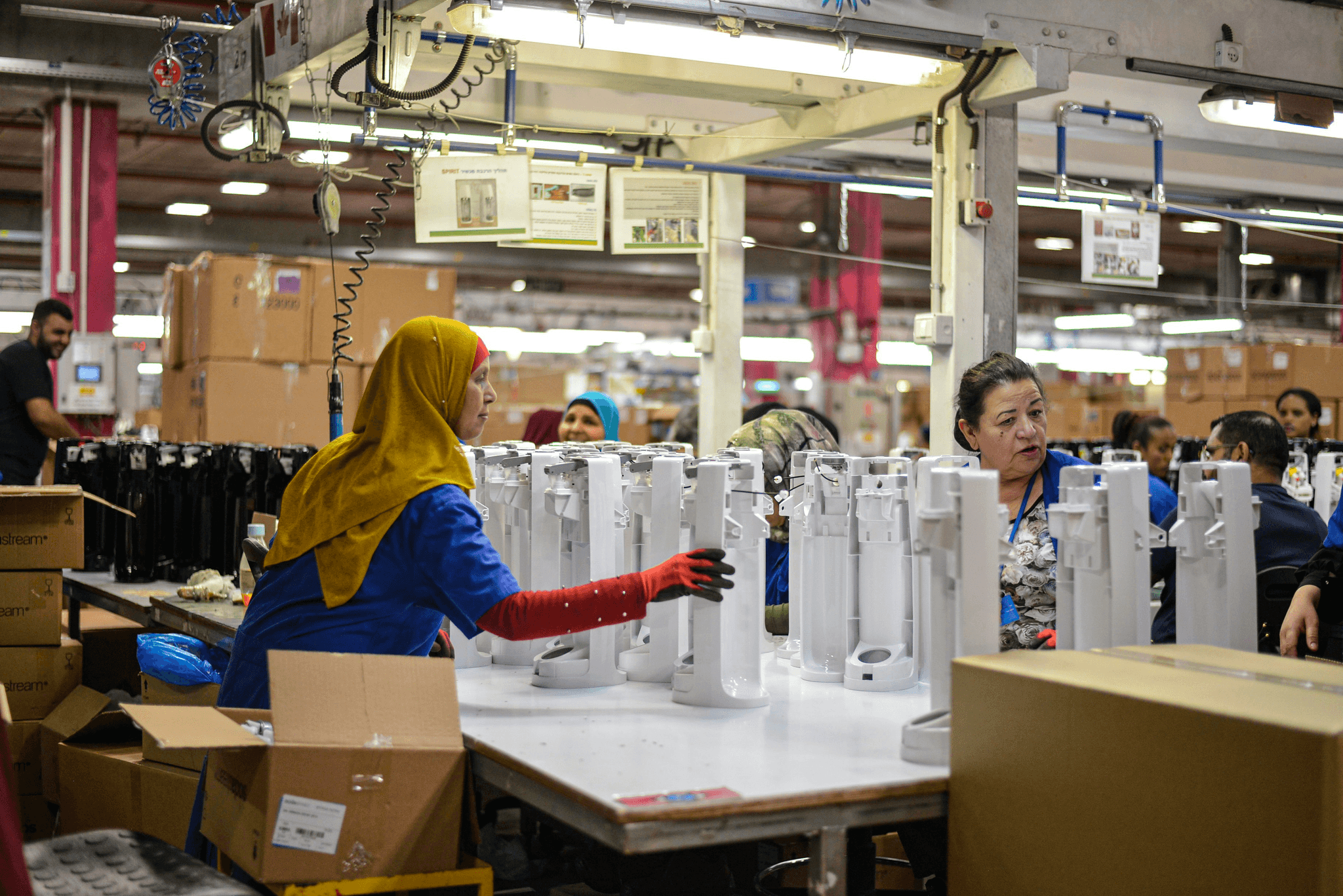
In the fast-paced world of fashion, ensuring that every piece of clothing meets quality standards during production is crucial. In-Process Quality Control for Apparel serves as a proactive approach to catch defects before they become costly issues. By implementing continuous monitoring and effective techniques, brands can maintain their reputation and deliver products that meet consumer expectations.
Continuous Monitoring During Manufacturing
Continuous monitoring during manufacturing is essential for maintaining high standards in the Quality Control in the Clothing Industry. This involves regular inspections at various stages of production to ensure that materials and processes adhere to established quality benchmarks. By integrating real-time feedback mechanisms, manufacturers can quickly identify deviations from quality standards, allowing them to make necessary adjustments on the fly.
The beauty of continuous monitoring lies in its ability to foster a culture of accountability among workers and management alike. When everyone is aware that their work will be scrutinized regularly, it encourages diligence and precision throughout the manufacturing process. This not only enhances product quality but also boosts overall efficiency by reducing waste caused by defects.
Techniques for Spotting Defects Early
Spotting defects early is a cornerstone of effective In-Process Quality Control for Apparel and can save brands significant time and money down the line. Techniques such as visual inspections, automated scanning technologies, and statistical process control play vital roles in identifying flaws before garments leave the factory floor. For example, using color sensors or pattern recognition software can help catch discrepancies in fabric patterns or colors swiftly.
Additionally, employing checklists during various stages—such as cutting, sewing, and finishing—ensures that no step is overlooked in the pursuit of excellence. Incorporating these techniques allows teams to address issues immediately instead of waiting until Post-Production Quality Control (Pre-shipment Inspection) for apparel reveals them too late. Ultimately, early detection leads to higher customer satisfaction rates as fewer defective items reach consumers.
Training Workers on Quality Awareness
Training workers on quality awareness is perhaps one of the most impactful investments a brand can make in its In-Process Quality Control for Apparel strategy. When employees understand what constitutes high-quality work and how their contributions affect overall product integrity, they are more likely to take ownership of their tasks. Regular training sessions should cover topics such as spotting common defects, understanding material properties, and adhering to quality standards established during Pre-Production Quality Control for Apparel.
Moreover, fostering an environment where employees feel comfortable reporting potential issues without fear encourages open communication about quality concerns. This collaborative atmosphere not only helps maintain high standards but also empowers workers by making them active participants in the brand's commitment to excellence. As a result, brands can ensure consistency across all levels of production while enhancing employee morale.
Post-Production Quality Control (Pre-shipment Inspection) for Apparel

In the fast-paced world of fashion, ensuring that every piece of clothing meets quality standards before it reaches consumers is non-negotiable. Post-production quality control, particularly pre-shipment inspection, serves as the final checkpoint in the Quality Control in the Clothing Industry. This critical phase not only helps identify defects but also ensures that the products align with brand expectations and consumer demands.
Final Inspections Before Shipping: A Must
Final inspections are a must when it comes to safeguarding a brand's reputation and maintaining customer satisfaction. During this stage of Post-Production Quality Control for Apparel, garments are meticulously examined for any flaws or inconsistencies that might have slipped through earlier stages like Pre-Production Quality Control for Apparel and In-Process Quality Control for Apparel. By catching potential issues at this point, brands can avoid costly returns and negative reviews that could tarnish their image.
These inspections typically include checking stitching quality, color consistency, sizing accuracy, and overall finish. Inspectors assess each garment against established quality standards to ensure compliance with both internal benchmarks and external regulations. When these final checks are thorough and systematic, they significantly reduce the risk of defective products making their way to retailers or consumers.
How China Inspection Pro Ensures Quality
China Inspection Pro has carved out a niche in ensuring high-quality apparel through rigorous pre-shipment inspections tailored to meet diverse client needs. By employing experienced inspectors who specialize in various aspects of Quality Control in the Clothing Industry, they offer comprehensive services that cover everything from fabric checks to finished product evaluations. Their approach combines cutting-edge technology with traditional inspection methods to provide reliable results.
One key aspect of their service is detailed reporting; clients receive thorough documentation outlining any defects found during inspections along with recommendations for corrective actions. This transparency not only helps companies make informed decisions but also fosters trust between manufacturers and brands seeking consistent quality assurance throughout their supply chain. With China Inspection Pro's expertise in Post-Production Quality Control (Pre-shipment Inspection) for Apparel, brands can confidently ship products knowing they meet stringent quality criteria.
Importance of Compliance with Regulations
Compliance with industry regulations is paramount in maintaining a competitive edge within the apparel market while ensuring consumer safety and satisfaction. Many countries have specific guidelines governing materials used in clothing production along with labeling requirements that must be adhered to during Post-Production Quality Control (Pre-shipment Inspection) for Apparel processes. Ignoring these regulations can lead to significant legal repercussions as well as damage a brand’s reputation among increasingly aware consumers.
Moreover, adhering to these standards demonstrates a brand’s commitment to ethical practices and sustainability—two factors that resonate deeply with today’s conscientious shoppers. By integrating compliance checks into their final inspection processes alongside other forms of quality control like Pre-Production Quality Control for Apparel and In-Process Quality Control for Apparel, businesses can mitigate risks while enhancing their market position over time.
In conclusion, post-production quality control is essential in today's competitive apparel landscape; it ensures that every piece meets both regulatory requirements and customer expectations while preserving brand integrity.
How to Check Apparel Quality?
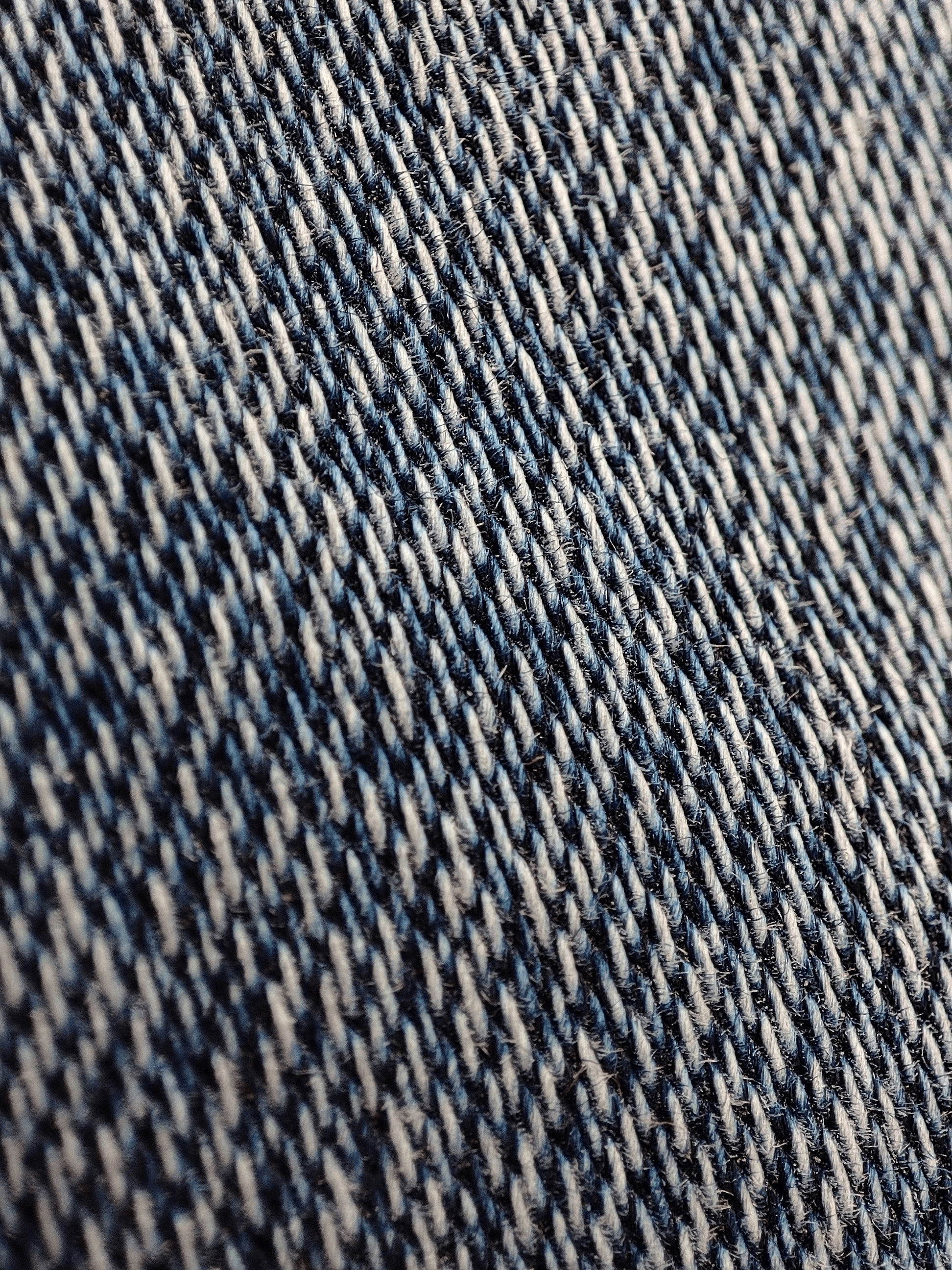
When it comes to ensuring that the clothing you purchase meets your expectations, understanding how to check apparel quality is essential. Quality Control in the Clothing Industry isn't just about the manufacturer; it involves consumers being informed and vigilant as well. By honing your assessment skills, you can make smarter purchasing decisions and avoid subpar products.
Tips for Consumers on Quality Assessment
First and foremost, always inspect the fabric. Feel its texture and weight; high-quality garments typically use durable materials that stand the test of time. Additionally, pay attention to stitching—look for even seams and tightly woven threads, as these are telltale signs of good craftsmanship in apparel.
Next, check for tags that indicate care instructions and material composition. This information can reveal a lot about the quality standards upheld during Pre-Production Quality Control for Apparel. Brands committed to quality often provide details about their sourcing practices and manufacturing processes, which can further guide your buying choices.
Lastly, don’t shy away from trying items on before making a purchase. Fit plays a crucial role in perceived quality; if an item doesn’t fit well or feels uncomfortable, it’s likely not worth your investment—even if it looks great on the rack! By following these tips, you'll be better equipped to evaluate clothing effectively.
Key Indicators of Quality in Clothing
Several key indicators can help you determine apparel quality at a glance. First up is fabric type—natural fibers like cotton or wool generally signal higher quality compared to synthetic alternatives like polyester or nylon. Additionally, check for linings; fully lined garments often indicate better construction methods used during In-Process Quality Control for Apparel.
Another vital indicator is hardware such as zippers and buttons; sturdy closures suggest attention to detail and durability that cheap alternatives lack. Furthermore, examine patterns and prints: are they aligned properly? Misaligned patterns often indicate rushed production processes that compromise overall garment integrity.
Finally, consider brand reputation—brands known for their commitment to excellence usually have rigorous Post-Production Quality Control (Pre-shipment Inspection) processes in place before items hit retail shelves. Therefore, researching a brand's history can save you from disappointment down the line!
Utilizing Technology for Enhanced Inspections
In today's digital age, technology plays an increasingly pivotal role in ensuring apparel quality through various innovative methods. For instance, advanced scanning tools can detect imperfections during different stages of production—be it Pre-Production Quality Control for Apparel or In-Process Quality Control for Apparel—allowing brands to rectify issues before they reach consumers.
Moreover, mobile apps designed specifically for fashion enthusiasts enable users to access product reviews instantly while shopping online or at retail locations. These apps often incorporate user-generated content showcasing real-life experiences with specific garments—helping buyers make informed decisions based on others' insights regarding quality standards upheld by brands.
Lastly, emerging technologies such as AI-driven analytics provide valuable data regarding consumer preferences alongside potential defects identified during Post-Production Quality Control (Pre-shipment Inspection). By leveraging these technological advancements wisely while shopping or assessing clothing options at home enhances overall confidence in one's choices!
Conclusion
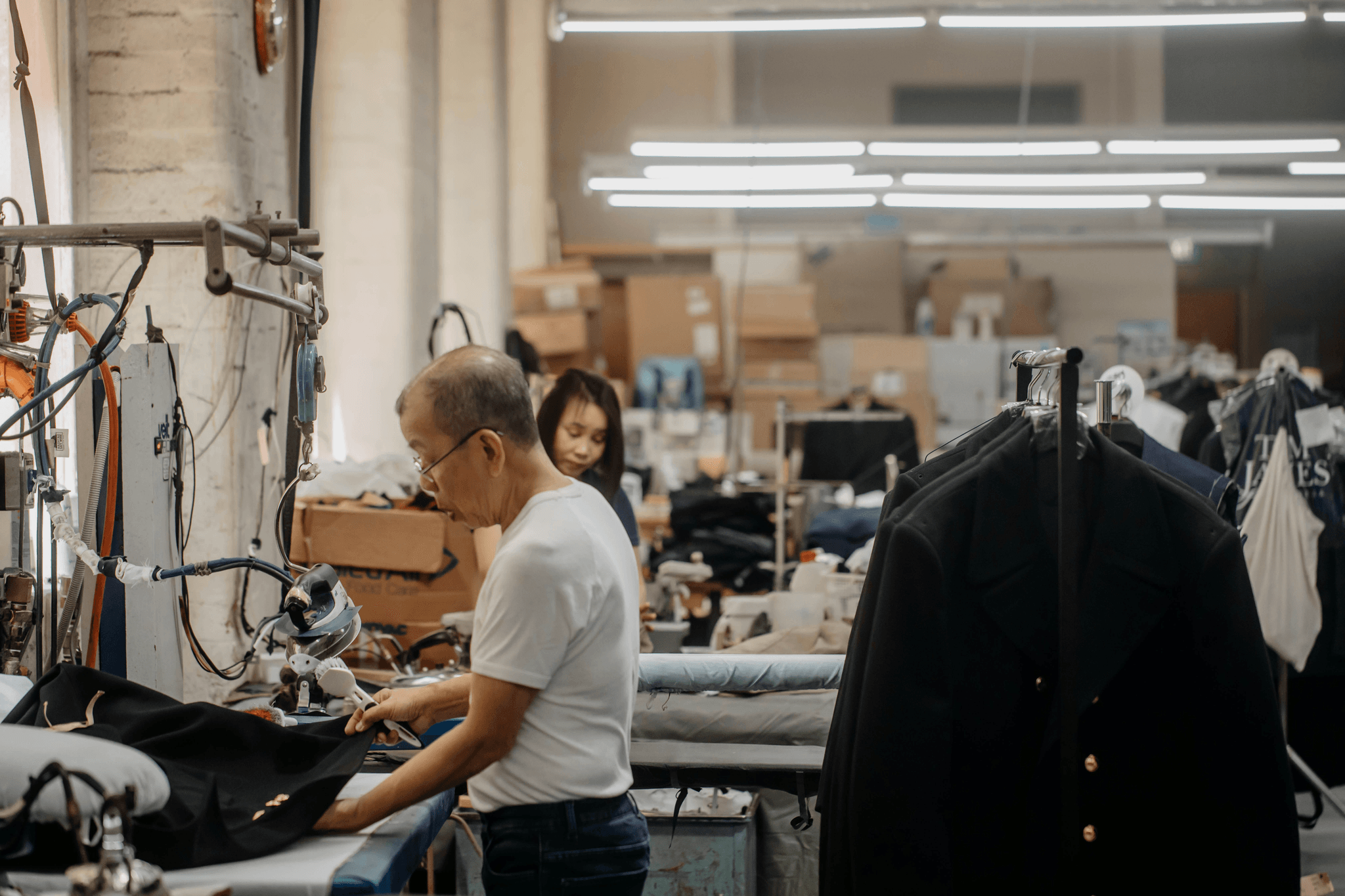
In the fast-paced world of fashion, maintaining high standards through effective Quality Control in the Clothing Industry is paramount. Addressing the myriad challenges that arise throughout production—from sourcing materials to final inspections—ensures that brands not only meet consumer expectations but also uphold their reputation. As we navigate these complexities, a robust approach to quality management can lead to sustainable success.
Addressing Challenges in Apparel Quality Control
Quality Control in the Clothing Industry faces numerous hurdles, including inconsistent material quality and varying manufacturing practices across different regions. Pre-Production Quality Control for Apparel is crucial in mitigating these issues by establishing clear guidelines and standards before any fabric is cut or stitched. Moreover, In-Process Quality Control for Apparel ensures that any deviations from quality are caught early, saving time and resources while preserving brand integrity.
Best Practices for Ensuring Quality Standards
To ensure consistent quality, brands should implement a combination of Pre-Production Quality Control for Apparel and Post-Production Quality Control (Pre-shipment Inspection) for apparel strategies. This dual approach allows companies to catch potential defects at various stages while reinforcing a culture of quality awareness among workers through training programs focused on spotting issues early during In-Process Quality Control for Apparel. Additionally, leveraging technology—such as automated inspections and data analytics—can enhance overall efficiency and accuracy in assessing how to check apparel quality effectively.
Future Trends in Clothing Quality Management
Looking ahead, the landscape of clothing quality management will likely evolve with advancements in technology and sustainability practices becoming central themes. The integration of artificial intelligence into Post-Production Quality Control (Pre-shipment Inspection) for apparel could revolutionize how brands monitor compliance with regulations while ensuring product excellence. Furthermore, as consumer awareness grows regarding ethical manufacturing practices, there will be an increasing demand for transparency throughout all stages of production—from Pre-Production Quality Control for Apparel to final delivery—reinforcing the importance of rigorous standards within the industry.