
Introduction

In the world of manufacturing and production, the final inspection in quality control serves as the last line of defense before products reach consumers. This critical step ensures that every item meets established standards, safeguarding both brand reputation and customer satisfaction. Without effective quality control processes, businesses risk delivering subpar products, which can lead to costly recalls and damage to their credibility.
Importance of Final Inspection in Quality Control
Final inspection in quality control is not just a formality; it’s an essential practice that determines the overall success of a product. By meticulously examining each item before it leaves the facility, companies can identify defects or inconsistencies that may have slipped through earlier checks. This vigilance not only protects consumers but also enhances operational efficiency by reducing returns and complaints.
Key Benefits of Quality Control Processes
Implementing robust quality control processes yields numerous benefits for organizations striving for excellence. First and foremost, it fosters a culture of accountability among employees, encouraging them to take pride in their work and adhere to high standards. Additionally, effective quality control management software streamlines inspections and data tracking, leading to improved decision-making based on real-time insights.
Overview of Effective Quality Inspection Practices
Adopting effective quality inspection practices is crucial for any business aiming to maintain high-quality standards consistently. These practices include utilizing advanced QC technologies such as automated inspection systems and integrated quality control software that enhance accuracy and efficiency during assessments. By investing in training for inspectors and leveraging best practices throughout the final inspection process, companies can ensure they deliver exceptional products every time.
Understanding Final Inspection in Quality Control

Final inspection in quality control is a critical step that ensures products meet the required standards before they reach consumers. This process serves as the last line of defense against defects, providing businesses with the assurance that their products are reliable and safe. By implementing effective quality control measures, companies can enhance customer satisfaction and reduce return rates.
Definition and Purpose
At its core, final inspection in quality control refers to the thorough examination of products before they are shipped or delivered. The primary purpose is to identify any defects or non-conformities that could compromise product quality or safety. By catching these issues at this stage, businesses can avoid costly recalls and maintain their reputation for delivering high-quality goods.
Legal and Regulatory Requirements
In many industries, legal and regulatory requirements dictate specific standards for quality control processes, including final inspections. Compliance with these regulations is not just a best practice; it’s often a legal obligation that protects consumers from unsafe products. Companies must stay informed about relevant laws to ensure their quality control management software reflects these requirements accurately.
Common Quality Control Standards
Various organizations have established common quality control standards that guide businesses in implementing effective final inspections. These standards include ISO 9001, which focuses on consistent product quality, and ASTM International standards for specific materials and products. Adhering to these guidelines helps companies streamline their qc quality control processes while ensuring they meet industry benchmarks for safety and reliability.
Essential Tools for Quality Control Management
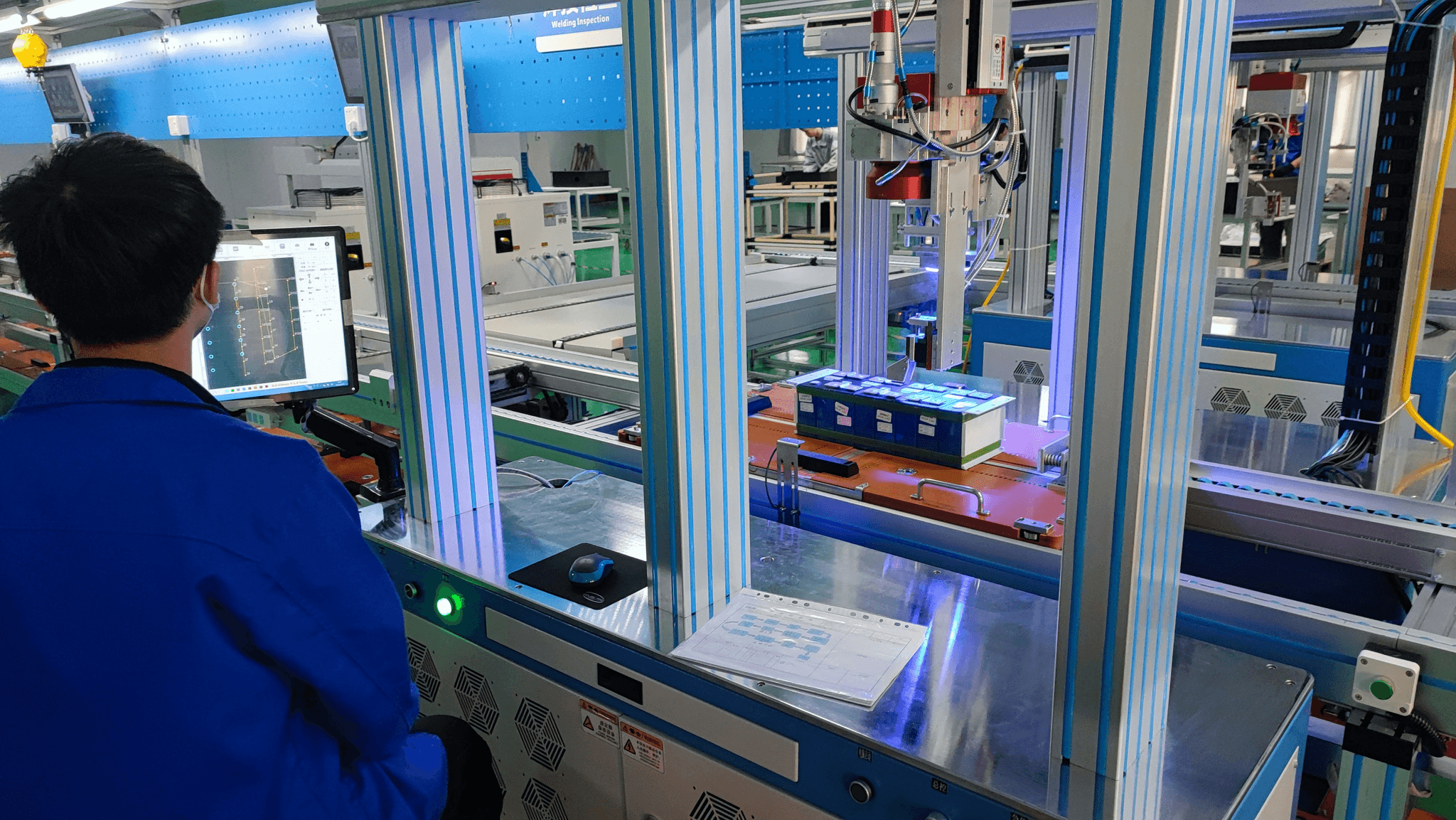
In the realm of quality control, having the right tools at your disposal is crucial for ensuring that the final inspection in quality control processes is both efficient and effective. Quality control management software plays a pivotal role in streamlining operations, enhancing productivity, and maintaining high standards throughout the inspection process. By leveraging advanced technologies, businesses can better manage their quality inspections, leading to improved outcomes and customer satisfaction.
Role of Quality Control Software
Quality control software serves as the backbone of modern QC practices, facilitating real-time data collection and analysis during inspections. This software allows teams to track defects, document findings, and generate reports seamlessly—ensuring that every aspect of quality control is accounted for. Additionally, integrating quality control software into your workflow can significantly reduce human error during final inspections in quality control processes.
Moreover, these tools often come equipped with features like automated alerts and dashboards that provide instant visibility into your quality metrics. This means that teams can respond promptly to any issues identified during the final inspection in quality control, preventing minor problems from escalating into major setbacks. Ultimately, robust QC software enhances overall efficiency while fostering a culture of continuous improvement within organizations.
Choosing the Right Quality Management Software
Selecting the right quality management software can feel like searching for a needle in a haystack given the plethora of options available today. It’s essential to evaluate your specific needs regarding final inspection in quality control before making a decision—consider factors such as scalability, user-friendliness, and integration capabilities with existing systems. A well-chosen piece of software should not only streamline your current processes but also adapt as your business evolves.
When assessing potential solutions for QC quality control management, prioritize those that offer customizable features tailored to your industry requirements. User feedback plays an important role here; look for reviews or case studies highlighting successful implementations to gauge effectiveness. Remember that investing time upfront will pay off later when you see improvements in overall product quality and operational efficiency.
Benefits of Using Advanced QC Technologies
Embracing advanced QC technologies can revolutionize how organizations approach their final inspection in quality control procedures. For instance, incorporating automation through AI-driven analytics allows teams to identify trends and anomalies faster than traditional methods would permit—leading to quicker resolutions and less downtime during inspections. Additionally, these technologies enhance accuracy by minimizing subjective interpretations commonly associated with manual inspections.
Another significant benefit is enhanced traceability throughout the entire production process; this ensures compliance with industry regulations while providing valuable insights into areas needing improvement over time. By utilizing cutting-edge tools such as IoT devices or cloud-based platforms within your QC framework, you empower inspectors with real-time data access on-the-go—making them more effective during critical stages like final inspection in quality control workflows.
In summary, implementing advanced technologies not only optimizes current practices but also prepares organizations for future challenges within their respective industries by promoting agility and responsiveness when it comes to maintaining high-quality standards across all products offered.
The Final Inspection Process
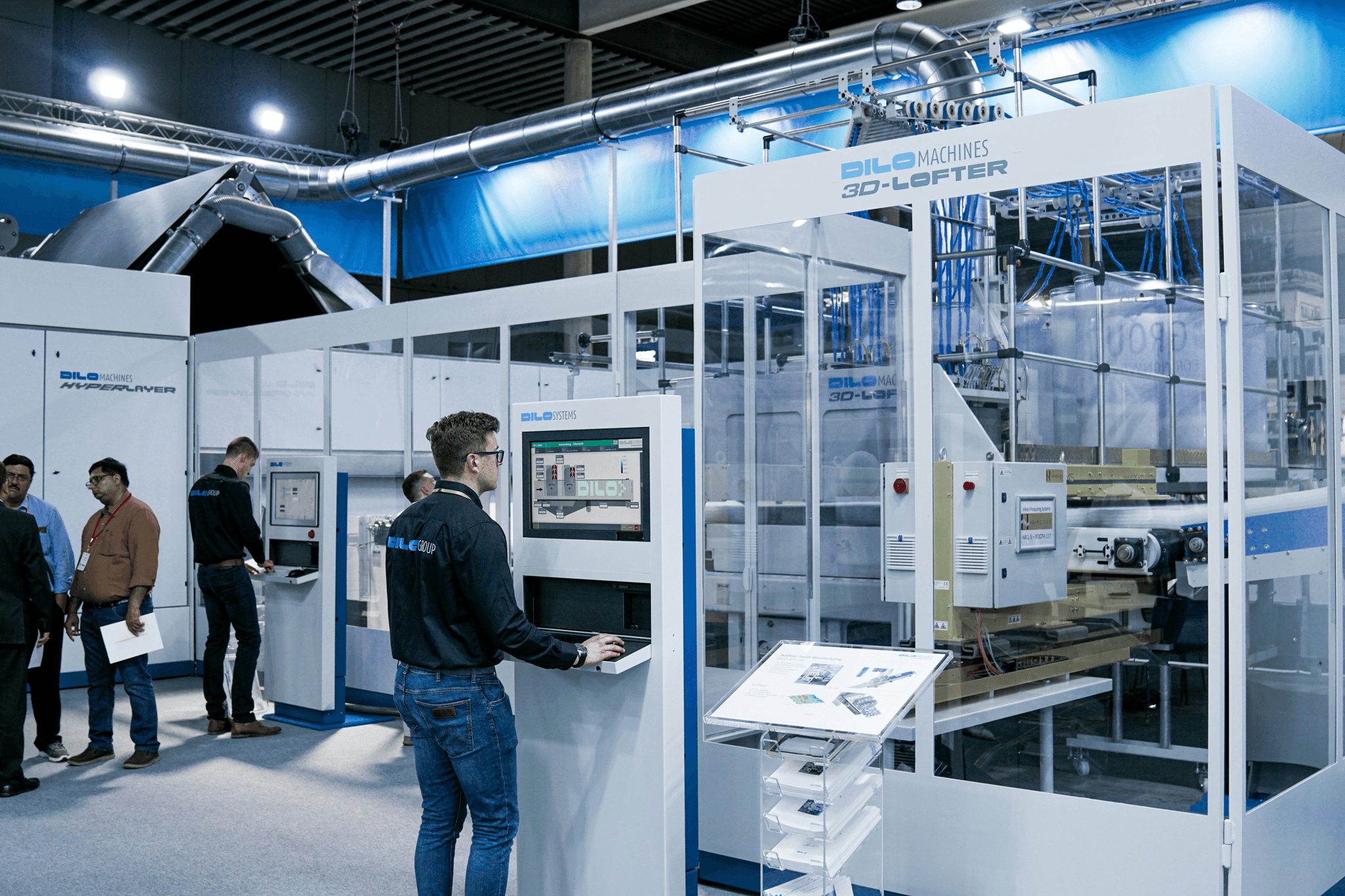
The final inspection in quality control is a critical phase that ensures products meet the required standards before they reach consumers. This process involves a systematic approach, utilizing various techniques to detect defects and verify compliance with specifications. By implementing an effective final inspection process, organizations can significantly enhance their quality control management and reduce the risk of costly recalls or customer dissatisfaction.
Step-by-Step Inspection Techniques
To conduct an effective final inspection in quality control, it's essential to follow a structured step-by-step approach. First, establish clear criteria based on product specifications and relevant quality control standards. Next, utilize quality control software to streamline data collection and analysis during inspections; this allows for real-time tracking of defects and non-conformities.
Once the criteria are set, inspectors should methodically evaluate each item against these benchmarks using various techniques such as visual inspections, functional tests, or measurements. Employing advanced qc quality control tools can also aid in identifying issues that may not be visible to the naked eye. Finally, document all findings meticulously to maintain transparency and facilitate future improvements in the quality inspection process.
Common Pitfalls in Quality Inspection
Despite best efforts, there are common pitfalls that can undermine the effectiveness of final inspections in quality control. One major issue is insufficient training for inspectors; if they lack expertise or familiarity with specific products or standards, it can lead to oversight of critical defects. Additionally, relying solely on manual processes without integrating quality control management software may result in inconsistencies and human error during inspections.
Another pitfall is neglecting the importance of communication between teams involved in production and inspection; misunderstandings can lead to misaligned expectations regarding product standards. Furthermore, failing to adapt inspection techniques based on past experiences or emerging trends can stifle improvement efforts within your qc quality control processes. Recognizing these potential challenges is crucial for enhancing overall efficiency.
Best Practices for Effective Execution
To ensure successful execution of the final inspection process in quality control, adopting best practices is paramount. Start by fostering a culture of continuous improvement within your organization; encourage feedback from inspectors and production teams alike to identify areas for enhancement regularly. Utilizing advanced technologies such as automated reporting through quality control software will also streamline workflows while minimizing errors.
Incorporating regular calibration checks for measurement tools ensures accuracy during inspections; this practice helps maintain consistent results over time while adhering to industry standards. Lastly, conducting periodic reviews of your inspection protocols will allow you to stay ahead of evolving regulations and market demands—keeping your organization competitive within its industry.
Training Your Quality Control Team

Training your quality control team is a pivotal element in maintaining high standards during the final inspection in quality control. A well-trained team not only ensures compliance with established guidelines but also enhances overall product quality and efficiency. Investing in training programs can yield significant benefits, making your QC processes more robust and reliable.
Skills Required for Inspectors
Inspectors play a crucial role in the quality control process, particularly during final inspections. They must possess a keen eye for detail, enabling them to identify defects that may compromise product integrity. Additionally, strong analytical skills are essential for interpreting data from quality control management software, allowing inspectors to make informed decisions based on their findings.
Moreover, effective communication skills are vital as inspectors often collaborate with various departments to address quality issues. Familiarity with industry standards and regulations is another key skill that ensures compliance during the final inspection process. By cultivating these skills within your team, you enhance their ability to perform thorough and effective quality inspections.
Benefits of Continuous Training Programs
Continuous training programs are invaluable in keeping your quality control team updated on the latest practices and technologies related to QC quality control. Regular training sessions help reinforce essential skills while introducing new methodologies that can improve inspection accuracy and efficiency. This ongoing education fosters a culture of excellence within the organization, leading to higher-quality outputs.
Additionally, continuous training helps reduce errors during the final inspection by ensuring that all inspectors are familiar with current standards and tools available through quality control software. When teams remain well-informed about advancements in technology or changes in regulations, they can adapt quickly, minimizing potential setbacks in production lines. Ultimately, investing in continuous training translates into better performance and enhanced customer satisfaction.
Tools for Enhancing Inspector Performance
To optimize inspector performance during final inspections, it's crucial to equip them with the right tools and resources available through advanced QC technologies. Quality control management software streamlines data collection and reporting processes, making it easier for inspectors to document their findings efficiently. These tools not only save time but also provide valuable insights into trends or recurring issues that need addressing.
Furthermore, incorporating mobile applications into your QC framework allows inspectors to conduct assessments on-the-go while capturing real-time data directly from production sites. This flexibility enhances responsiveness when dealing with potential defects during inspections—ensuring swift corrective actions can be implemented as needed. By leveraging these tools effectively, you empower your team to elevate their performance while maintaining rigorous standards throughout the final inspection process.
Partnering with Professional Quality Inspection Services

In the realm of quality control, partnering with professional quality inspection services can significantly enhance your final inspection processes. These services not only streamline operations but also ensure that the products meet stringent quality standards. When it comes to navigating the complexities of quality control, an experienced partner can make all the difference.
Why Choose China Inspection Pro
China Inspection Pro stands out as a leader in the field of quality control, offering a range of services tailored to meet diverse industry needs. With their expertise in final inspection in quality control, they help businesses mitigate risks associated with product defects and non-compliance. Their team is well-versed in various quality control standards and practices, ensuring that your products are inspected thoroughly and efficiently.
Choosing China Inspection Pro means investing in a robust framework for quality management software that integrates seamlessly into your existing processes. Their advanced QC technologies provide real-time data analytics, allowing for better decision-making and quicker responses to potential issues. By leveraging their resources, companies can focus on core competencies while ensuring high-quality outputs.
Advantages of External Quality Inspection Services
External quality inspection services offer numerous advantages that can elevate your overall quality control strategy. First and foremost, they bring an objective perspective to the final inspection process—free from internal biases or pressures that may compromise integrity. This impartiality is crucial for maintaining high standards in product manufacturing and distribution.
Additionally, utilizing external services allows for flexibility in scaling operations without incurring significant overhead costs associated with hiring full-time inspectors or investing heavily in quality control management software. These partners often have access to cutting-edge technology and training programs that would be costly for individual companies to develop independently. The outcome? Enhanced efficiency and reliability throughout the entire supply chain.
Case Studies of Successful Partnerships
Numerous companies have experienced remarkable transformations by partnering with professional quality inspection services like China Inspection Pro. For instance, a leading electronics manufacturer faced challenges related to inconsistent product defects during their final inspection phase; this jeopardized their reputation and customer satisfaction levels. By collaborating with China Inspection Pro, they implemented rigorous QC processes which led to a 30% reduction in defects within just six months.
Another case involved a textile company struggling with compliance issues due to regulatory requirements around safety standards—a common hurdle when dealing with international markets. After engaging external inspectors who specialized in textile regulations, they not only achieved compliance but also enhanced their brand image significantly among consumers valuing ethical production practices.
These success stories illustrate how effective partnerships can lead to substantial improvements in both operational efficiency and product reliability within the sphere of final inspection in quality control.
Conclusion

Final inspection in quality control is the linchpin that holds the entire quality assurance process together. It not only ensures that products meet established standards but also safeguards a company's reputation and customer satisfaction. By recognizing the significance of final inspections, businesses can enhance their overall quality control management and reduce costly errors.
Recap of Final Inspection Importance
The importance of final inspection in quality control cannot be overstated; it serves as the last line of defense against defects before products reach consumers. This critical step helps identify any inconsistencies or non-conformance with specifications, ensuring that only high-quality products are delivered to market. By implementing robust quality control processes, organizations can minimize returns and bolster customer trust.
Leveraging Technology for Quality Control
In today's fast-paced world, leveraging technology for quality control is essential for staying ahead of the competition. Quality control software has revolutionized how businesses manage their QC processes, allowing for real-time data analysis and streamlined workflows. By investing in advanced quality management software, companies can enhance their efficiency and accuracy during final inspections, ultimately leading to better product outcomes.
Future Trends in Quality Inspection Practices
As industries evolve, so too do practices surrounding final inspection in quality control. Emerging technologies such as artificial intelligence and machine learning are set to transform how we approach quality inspection by automating repetitive tasks and providing deeper insights into product performance. The future will likely see an increased focus on data-driven decision-making within QC processes, ensuring that organizations remain agile and responsive to changing market demands.