
Introduction
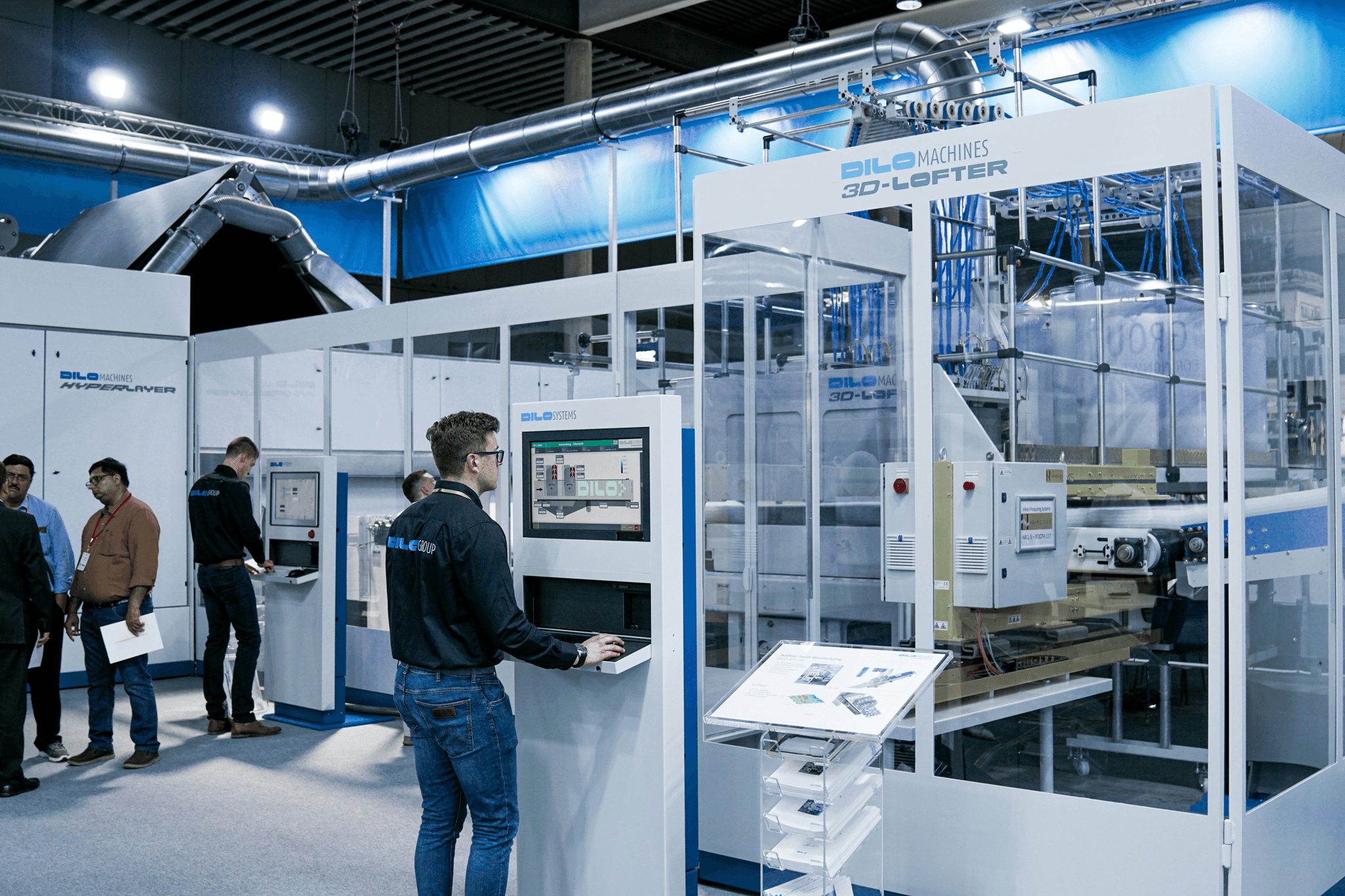
In the ever-evolving landscape of manufacturing, understanding factory compliance essentials is paramount for success. A robust factory compliance checklist serves as a foundational tool, guiding manufacturers in meeting regulatory requirements and industry standards. With quality assurance at the forefront, businesses can ensure that their products not only meet customer expectations but also adhere to safety and environmental regulations.
Understanding Factory Compliance Essentials
Factory compliance is not just about ticking boxes; it's about creating an environment where quality management thrives. A comprehensive factory compliance checklist encompasses various elements, including safety protocols, environmental standards, and operational procedures that align with quality assurance principles. By integrating these components into daily operations, manufacturers can foster a culture of accountability and excellence.
Importance of Quality Assurance in Manufacturing
Quality assurance plays a critical role in manufacturing by ensuring consistency and reliability in products. Implementing effective training programs for employees reinforces the importance of quality control at every stage of production. When organizations prioritize quality assurance quality, they not only enhance their reputation but also improve customer satisfaction and loyalty.
The Role of Audits in Quality Control
Audits serve as a vital mechanism for assessing compliance with established standards and identifying areas for improvement within the manufacturing process. By conducting regular audits, companies can leverage insights to refine their IT quality management systems and strengthen overall operational efficiency. Ultimately, audits are indispensable tools that enable businesses to maintain high-quality standards while adapting to market dynamics.
The Components of a Robust Factory Compliance Checklist

A well-crafted factory compliance checklist serves as the backbone of any manufacturing operation, ensuring that all quality assurance measures are effectively implemented. This checklist not only helps in maintaining high standards but also streamlines the quality control processes essential for meeting regulatory requirements. By focusing on key elements, businesses can enhance their overall quality management efforts and minimize the risk of non-compliance.
Key Elements to Include in Your Checklist
When creating a factory compliance checklist, it’s crucial to include specific elements that address both operational and regulatory standards. First, ensure that safety protocols are clearly outlined; this includes personal protective equipment (PPE) usage and emergency procedures. Additionally, incorporate sections for equipment maintenance schedules and calibration records to uphold quality assurance quality throughout production processes.
Another important aspect is documenting materials used in production, which ties directly into traceability and accountability—two pillars of effective quality control. Regularly reviewing these elements not only helps maintain compliance but also fosters a culture of continuous improvement within the organization. Ultimately, a comprehensive factory compliance checklist will serve as a roadmap for achieving sustainable manufacturing excellence.
The Significance of Quality Management Systems
Quality management systems (QMS) play an integral role in reinforcing compliance within manufacturing environments. A robust QMS provides a structured approach to managing quality assurance by defining processes, responsibilities, and performance metrics related to product quality and control. By implementing an effective IT quality management system, organizations can automate data collection and analysis, leading to improved decision-making based on real-time insights.
Moreover, QMS frameworks such as ISO 9001 establish international standards that guide companies toward operational efficiency while ensuring adherence to regulatory requirements. This alignment between business goals and compliance objectives is critical for long-term success in today’s competitive landscape. In essence, integrating QMS into your factory operations not only enhances product reliability but also strengthens your brand’s reputation in the marketplace.
Implementing Effective Training Programs
Training programs are vital for empowering employees with the knowledge they need to uphold factory compliance standards consistently. Developing effective training initiatives ensures that staff members understand their roles concerning quality assurance practices and how they contribute to overall organizational goals. Regular training sessions should cover critical topics such as safety protocols, proper equipment handling, and updates on regulatory changes impacting quality management.
Additionally, fostering an environment where employees feel encouraged to share feedback about training programs can lead to continuous improvements in both content delivery and engagement levels. Incorporating hands-on training alongside theoretical knowledge enhances retention rates among team members while promoting a culture of accountability regarding quality control measures across all departments. Ultimately, investing time and resources into robust training programs pays dividends by reducing errors and enhancing product integrity.
Developing a Quality Assurance Strategy

Creating a robust quality assurance strategy is essential for aligning quality control with overall business goals. A well-structured approach not only enhances product reliability but also strengthens the organization’s reputation among stakeholders. By focusing on quality assurance, companies can ensure that they meet customer expectations while adhering to industry standards.
Aligning Quality Control with Business Goals
To effectively align quality control with business goals, organizations must first identify their core objectives and how quality assurance can support them. This alignment ensures that all efforts in developing a factory compliance checklist are directly linked to enhancing operational efficiency and customer satisfaction. When quality management is integrated into the strategic planning process, it fosters a culture where every employee understands their role in achieving compliance and maintaining high standards.
Moreover, incorporating regular reviews of quality metrics into business performance assessments helps keep everyone focused on continuous improvement. By setting specific targets related to quality assurance, teams can measure progress and adjust strategies accordingly. Ultimately, this alignment serves as a roadmap for achieving both compliance and organizational success.
Best Practices for Quality Assurance Quality
Implementing best practices for quality assurance is fundamental to maintaining high-quality products and services. This includes establishing clear protocols within your factory compliance checklist that cover everything from material selection to final inspections. Regularly updating these practices ensures that they reflect current regulations and industry trends, enabling manufacturers to stay ahead of potential compliance issues.
Training programs play an integral role in reinforcing these best practices among employees at all levels of the organization. By providing ongoing education about the importance of quality management systems, companies can cultivate a workforce committed to excellence in every aspect of production. Furthermore, fostering open communication about challenges faced during production allows teams to collaboratively develop solutions that enhance overall quality assurance.
Additionally, leveraging data analytics tools can help organizations identify areas for improvement within their processes more efficiently than ever before. By analyzing trends in defects or non-conformance reports, businesses can proactively address root causes rather than merely reacting to issues as they arise.
Role of IT Quality Management Systems in Compliance
The integration of IT quality management systems into manufacturing processes has revolutionized how companies approach factory compliance checklist creation and maintenance. These systems streamline the documentation process by automating data collection and reporting functions related to both compliance requirements and internal audits. As a result, organizations can focus more on proactive measures rather than getting bogged down by administrative tasks.
Furthermore, an effective IT system supports real-time monitoring of production processes against established benchmarks for quality assurance quality standards. This capability enables quick identification of deviations from expected performance levels so corrective actions can be taken immediately—before issues escalate into larger problems affecting product integrity or safety.
In conclusion, investing in robust IT solutions not only enhances operational efficiency but also plays a vital role in ensuring adherence to regulatory requirements while driving continuous improvement across all facets of manufacturing operations.
Conducting Smart Audits

When it comes to ensuring factory compliance, conducting smart audits is a vital part of the equation. A well-executed audit not only identifies gaps in quality assurance but also reinforces the importance of maintaining a robust quality management system. By focusing on thorough preparation and avoiding common pitfalls, businesses can leverage audits as powerful tools for continuous improvement.
Preparing for a Factory Audit
Preparation is key when it comes to factory audits; it sets the tone for a successful evaluation of your quality assurance processes. Start by reviewing your factory compliance checklist to ensure all necessary documentation and procedures are in place. This includes verifying that training programs are up-to-date and that staff are familiar with quality control measures, as their knowledge can significantly impact audit outcomes.
Additionally, consider conducting internal pre-audits to identify potential weaknesses before the official evaluation takes place. These internal checks can help clarify areas needing improvement, ensuring that your IT quality management system is aligned with industry standards and best practices in quality assurance quality. Remember, an organized approach will not only impress auditors but also foster a culture of accountability within your team.
Common Pitfalls to Avoid
Navigating the audit process can be tricky if you're not aware of common pitfalls that may derail your efforts at compliance. One major mistake is underestimating the importance of documentation; without proper records, even the most efficient training programs may be deemed ineffective during an audit. Ensure all quality control measures are documented meticulously—this includes everything from standard operating procedures to employee training logs.
Another frequent misstep is failing to engage employees in the process; audits shouldn’t feel like a surprise inspection but rather an opportunity for growth and learning within your organization. Involve team members early on by discussing what they can do to contribute positively to both compliance and overall product quality. Lastly, neglecting follow-up actions after an audit can hinder progress—always prioritize addressing any findings promptly to maintain high standards in your manufacturing processes.
How to Leverage Audit Findings for Improvement
Once you've completed an audit, it's time to turn those findings into actionable insights that enhance your factory's performance regarding compliance and quality assurance quality. Start by analyzing the results against your initial factory compliance checklist; this will help you pinpoint specific areas requiring attention or improvement within your operations or training programs.
Use these insights as a basis for refining existing processes or implementing new initiatives aimed at bolstering overall efficiency and effectiveness in line with established standards of quality control. Engaging employees through feedback loops based on audit outcomes fosters ownership over their roles while reinforcing commitment towards maintaining high-quality production standards.
Lastly, don’t forget about documenting changes made as a result of audit findings—this creates a historical record that demonstrates ongoing dedication towards continuous improvement within your organization’s IT quality management system and broader manufacturing strategy.
The Impact of Compliance on Performance
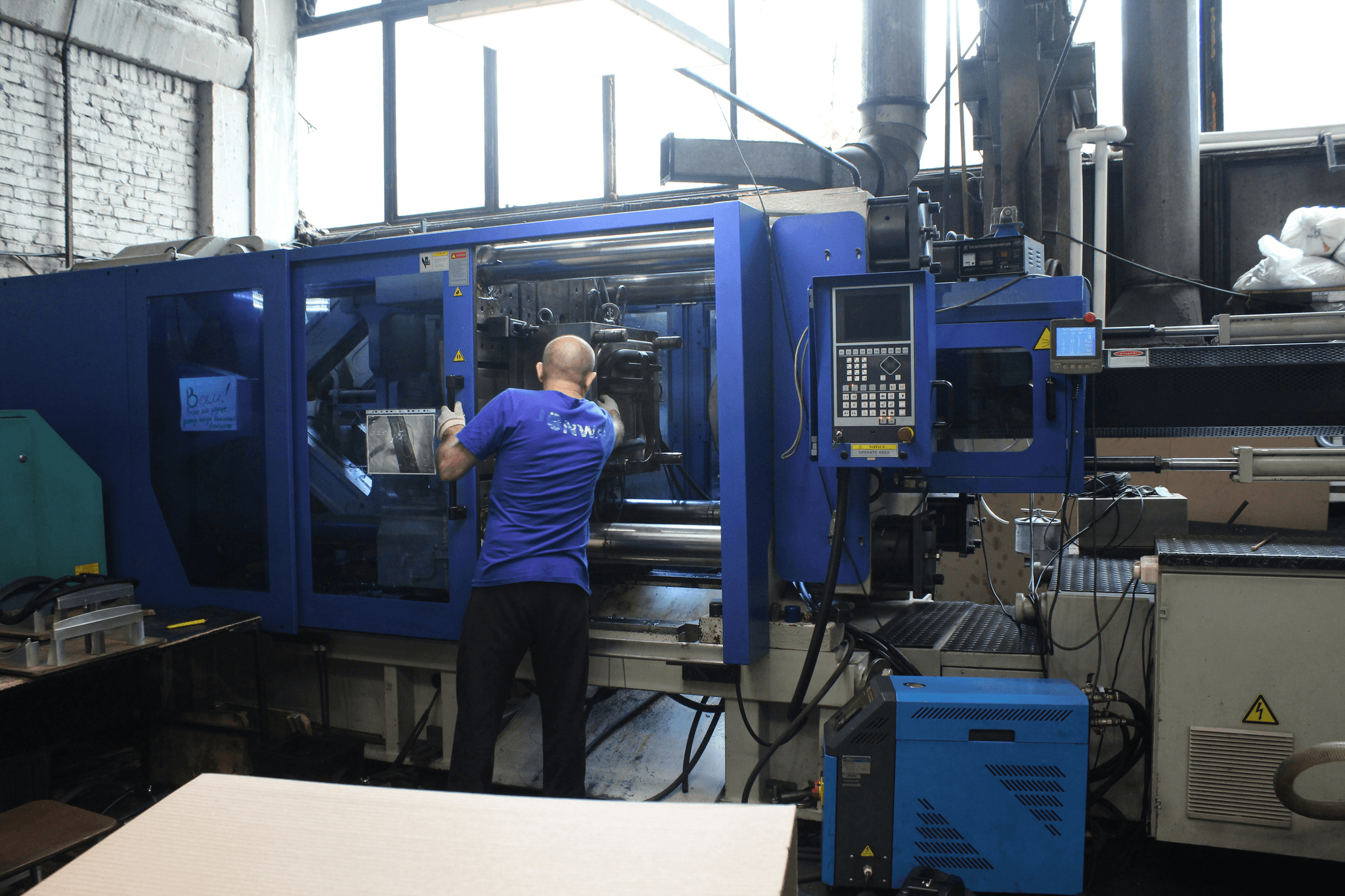
In today's competitive manufacturing landscape, the impact of compliance on performance cannot be overstated. Ensuring adherence to a comprehensive factory compliance checklist not only safeguards product quality but also enhances operational efficiency. By integrating quality assurance principles into every facet of production, companies can achieve remarkable outcomes that resonate through their entire organization.
Measuring Quality and Control Metrics
To truly understand the impact of compliance, organizations must focus on measuring quality and control metrics effectively. These metrics provide a quantitative basis for assessing the effectiveness of quality assurance initiatives and training programs within the factory setting. By utilizing an IT quality management system, manufacturers can track these metrics in real-time, allowing them to make informed decisions that bolster their overall quality management strategy.
Key performance indicators (KPIs) such as defect rates, customer complaints, and audit scores are essential for gauging compliance success. Regularly reviewing these metrics ensures that any deviations from established standards are promptly addressed through corrective actions or enhanced training programs. Ultimately, a commitment to measuring and understanding these critical metrics lays the foundation for sustained improvement in both product quality and operational performance.
Case Studies: Success Stories of Compliance
Real-world examples illustrate how adherence to a robust factory compliance checklist can lead to significant improvements in manufacturing outcomes. One notable case involved a mid-sized electronics manufacturer that implemented strict quality assurance protocols alongside comprehensive training programs for its staff. As a result, they reduced defect rates by over 30% within six months, showcasing how effective quality control directly correlates with improved business performance.
Another success story comes from a textile company that leveraged an IT quality management system to streamline its operations while maintaining high standards of compliance. By focusing on continuous training and development initiatives related to quality assurance quality, they were able to enhance employee engagement and accountability—leading to increased productivity and reduced rework costs. These case studies serve as powerful reminders that investing in compliance not only protects brand reputation but also drives tangible results.
Long-term Benefits of Maintaining Compliance
The long-term benefits of maintaining compliance extend far beyond immediate financial gains; they cultivate a culture rooted in excellence throughout the organization. Consistent adherence to your factory compliance checklist fosters trust among customers and stakeholders alike—an invaluable asset in today’s market where brand loyalty is paramount. Furthermore, companies committed to ongoing training programs often experience lower employee turnover rates as staff feel empowered by their roles in ensuring product integrity.
Another significant advantage is the potential for innovation when organizations prioritize compliance as part of their core values. A strong foundation built on effective quality management practices encourages teams to explore new methods or technologies that enhance production processes while adhering strictly to regulatory requirements. In essence, long-term commitment to compliance not only secures short-term victories but also positions businesses favorably for future growth opportunities.
Leveraging Expert Services for Compliance
In an ever-evolving manufacturing landscape, the importance of expert services for factory compliance cannot be overstated. Partnering with firms like China Inspection Pro can significantly enhance your quality assurance efforts, ensuring that your products not only meet but exceed industry standards. By utilizing their expertise, manufacturers can streamline their quality management processes and maintain a robust factory compliance checklist.
How China Inspection Pro Enhances Compliance
China Inspection Pro offers tailored solutions that directly address the challenges of maintaining compliance in manufacturing. Their team specializes in creating comprehensive quality assurance strategies that align with your specific needs, ensuring effective training programs are in place to empower employees at all levels. With a focus on integrating an IT quality management system, they facilitate seamless communication and documentation throughout the production process.
The firm’s thorough inspections and audits help identify potential gaps in your quality control processes before they become costly issues. By leveraging their knowledge of local regulations and international standards, you can rest assured that your factory remains compliant while also improving overall operational efficiency. This proactive approach not only enhances product quality but also fosters a culture of continuous improvement within your organization.
The Value of Professional Quality Inspections
Professional quality inspections are invaluable for any manufacturer looking to uphold high standards in production. These inspections serve as a critical component of a solid factory compliance checklist, providing insights into both the strengths and weaknesses of current practices. Regular assessments by qualified professionals ensure that all aspects of quality assurance are rigorously evaluated and maintained.
Moreover, these inspections go beyond mere compliance; they drive improvements in quality assurance quality by identifying areas where processes can be optimized or enhanced through targeted training programs. When manufacturers adopt this proactive stance towards inspections, they not only mitigate risks associated with non-compliance but also bolster customer confidence in their products’ reliability and safety. Ultimately, investing in professional services translates into long-term benefits for both manufacturers and consumers alike.
Choosing the Right Compliance Partner
Selecting the right compliance partner is crucial for achieving sustainable success in manufacturing operations. It’s essential to evaluate potential partners based on their experience with factory compliance checklists and their ability to deliver effective training programs tailored to your specific industry needs. Look for firms that demonstrate a proven track record in enhancing quality control through innovative solutions such as IT quality management systems.
Additionally, consider how well a prospective partner understands the intricacies of global supply chains and local regulations governing your operations—this knowledge is key to navigating complex compliance landscapes effectively. A strong partnership built on mutual trust will empower you to maintain high-quality standards while adapting swiftly to changing market demands or regulatory requirements.
In conclusion, leveraging expert services for factory compliance is not just about ticking boxes; it’s about fostering an organizational culture committed to excellence through continuous improvement initiatives rooted in solid training programs and strategic audits.
Conclusion
In conclusion, building a robust culture of quality assurance is essential for any manufacturing operation aiming for excellence. By prioritizing quality management across all levels of the organization, businesses can ensure that their factory compliance checklist is not just a formality but a living document that drives continuous improvement. Embracing quality assurance as a core value fosters accountability and empowers employees to take ownership of their roles in maintaining high standards.
Building a Culture of Quality Assurance
Creating an effective culture of quality assurance requires commitment from leadership down to the shop floor. This means integrating training programs that emphasize the importance of quality control and instilling best practices related to quality management systems. When employees understand how their contributions impact overall compliance, they are more likely to engage with the factory compliance checklist and strive for excellence in every task.
Continuous Improvement Through Compliance
Continuous improvement is not just a buzzword; it’s a philosophy that should permeate every aspect of operations. By regularly reviewing and updating the factory compliance checklist, organizations can identify areas where quality assurance can be enhanced. Implementing feedback loops based on audit findings ensures that lessons learned lead to actionable changes in processes, ultimately elevating overall quality assurance quality.
Future Trends in Factory Compliance Audits
Looking ahead, we can expect significant advancements in how factory compliance audits are conducted, particularly with the integration of IT quality management systems. These technologies will streamline the auditing process, making it easier to track compliance metrics and automate reporting functions related to quality control. Additionally, as industries evolve, there will be an increasing emphasis on sustainability and ethical practices within factory compliance checklists—ensuring that future generations benefit from our commitment to high-quality standards.