
Introduction
In a world where quality, safety, and compliance are paramount, understanding the importance of inspectors is essential. Inspectors serve as the gatekeepers across various industries, ensuring that standards are met and risks are minimized. From construction to food safety, their roles are pivotal in maintaining public trust and safeguarding well-being.
Understanding the Importance of Inspectors
The types of inspectors we encounter daily play a crucial role in upholding industry standards and regulations. Their responsibilities encompass a wide range of tasks, from checking for structural integrity in buildings to ensuring food hygiene practices are adhered to. Key skills and qualifications for inspectors often include attention to detail, analytical thinking, and a deep understanding of relevant laws and regulations.
The Role of Inspectors in Various Industries
Inspectors can be found in nearly every sector imaginable, each with unique inspector roles and responsibilities tailored to their field. In construction, they ensure that projects comply with building codes; in manufacturing, they verify product quality; while in healthcare, they safeguard patient safety through rigorous checks. By collaborating with various stakeholders, inspectors help maintain high standards across industries.
Overview of Different Types of Inspectors
There is an array of types of inspectors who specialize in different fields—each bringing their own expertise to the table. From environmental inspectors who assess compliance with ecological regulations to health inspectors who monitor sanitation practices at restaurants, these professionals face distinct challenges and considerations in their work. Best practices for effective inspection often involve continuous training and staying updated on industry developments to ensure thorough evaluations.
Types of Inspectors in Construction

In the realm of construction, various types of inspectors play crucial roles in ensuring that projects meet safety, quality, and regulatory standards. These inspector roles and responsibilities are vital for maintaining the integrity of structures and protecting public safety. Understanding these roles can provide insight into how construction projects are successfully executed.
General Contractors and their Responsibilities
General contractors serve as the backbone of any construction project, managing everything from budgeting to scheduling. Their responsibilities encompass hiring subcontractors, obtaining necessary permits, and ensuring that all work complies with local building codes. A well-rounded general contractor must possess key skills such as strong communication, problem-solving abilities, and a thorough understanding of construction practices to effectively oversee various types of inspectors involved in the project.
The general contractor's collaboration with different types of inspectors is essential for adhering to best practices for effective inspection. They coordinate inspections at various stages to ensure compliance with regulations and standards. This teamwork helps mitigate risks associated with construction delays or safety violations.
Building Inspectors: Ensuring Compliance
Building inspectors are specialized types of inspectors who focus on ensuring that structures comply with building codes and regulations throughout the construction process. Their keen eye for detail allows them to identify potential issues before they become costly problems. With a solid foundation in engineering principles and code knowledge, building inspectors play a pivotal role in safeguarding public safety.
These professionals conduct thorough inspections at critical stages—such as foundations, framing, plumbing, and electrical systems—to verify compliance with established standards. The inspector roles and responsibilities include issuing permits or approvals based on their findings during these assessments. By following best practices for effective inspection methods, building inspectors contribute significantly to maintaining high-quality construction standards.
Safety Inspectors: Keeping Worksites Secure
Safety inspectors focus on creating a secure environment by identifying hazards that could pose risks to workers on-site. Their primary responsibility is to enforce safety regulations set by organizations like OSHA (Occupational Safety and Health Administration) while providing guidance on safe work practices. The key skills required for this type of inspector include risk assessment capabilities, strong communication skills, and an understanding of health regulations.
In addition to conducting regular site inspections, safety inspectors often provide training sessions on proper equipment usage and emergency procedures—ensuring all workers are informed about potential dangers they may face daily. Challenges faced by safety inspectors include keeping up-to-date with ever-changing regulations while effectively communicating these updates across diverse teams on-site.
Ultimately, the collaboration between general contractors, building inspectors, and safety inspectors creates a robust framework that ensures successful project completion while safeguarding public health and welfare within the construction industry.
Types of Inspectors in Product Quality

In the realm of product quality, inspectors play a vital role in ensuring that goods meet established standards and regulations. The types of inspectors in this field are diverse, each with distinct inspector roles and responsibilities aimed at safeguarding consumer interests. From quality control inspectors to specialized firms like China Inspection Pro, these professionals are essential for maintaining market integrity.
Quality Control Inspectors: The Guardians of Standards
Quality control inspectors serve as the frontline defenders of product standards across various industries. Their primary responsibilities include examining products for defects, conducting tests to ensure compliance with specifications, and documenting findings to inform manufacturers about quality issues. Key skills and qualifications for inspectors in this area typically include an eye for detail, analytical thinking, and a solid understanding of regulatory requirements—essential traits that help uphold high-quality benchmarks.
To excel in their roles, quality control inspectors must adopt best practices for effective inspection such as thorough training on industry standards and regular updates on new regulations. They often face challenges such as tight deadlines or limited resources while striving to maintain rigorous inspection processes. Ultimately, these guardians not only protect consumers but also bolster businesses by preventing costly recalls or reputational damage due to subpar products.
China Inspection Pro: Leaders in Quality Inspection
China Inspection Pro has emerged as a key player among various types of inspectors focused on international trade compliance and product quality assurance. This organization specializes in providing comprehensive inspection services that cater specifically to companies sourcing from China, ensuring that imported goods meet both local and international standards. With a team equipped with vast experience and expertise, they exemplify the inspector roles needed to navigate complex supply chains effectively.
Their approach includes leveraging advanced technology alongside traditional inspection methods to maximize efficiency while minimizing errors—an essential aspect given the challenges faced during inspections overseas. Clients benefit from timely reports that detail compliance issues or highlight areas needing improvement, ultimately contributing to market success through enhanced product reliability. As leaders in quality inspection, organizations like China Inspection Pro set benchmarks for others by prioritizing transparency and accountability throughout the inspection process.
How Product Inspectors Ensure Market Success
Product inspectors play a crucial role not just in maintaining quality but also in driving market success for businesses around the globe. By identifying defects early on through meticulous inspections—whether conducted by independent firms or internal teams—they help prevent costly mistakes that can arise from faulty products reaching consumers' hands. This proactive approach is vital; it ensures compliance with safety regulations while fostering customer trust.
Moreover, effective communication between manufacturers and product inspectors can lead to significant improvements over time—highlighting how inspector roles extend beyond mere checking boxes on compliance forms but into fostering collaborative relationships aimed at continuous improvement. However, challenges such as cultural differences or language barriers can complicate these interactions; thus it’s imperative that both parties prioritize clear dialogue throughout the inspection process.
By embracing best practices tailored towards effective inspections while navigating potential obstacles head-on, product inspectors contribute significantly toward overall business success—a testament to their indispensable role within industries today.
Types of Inspectors in Food Safety
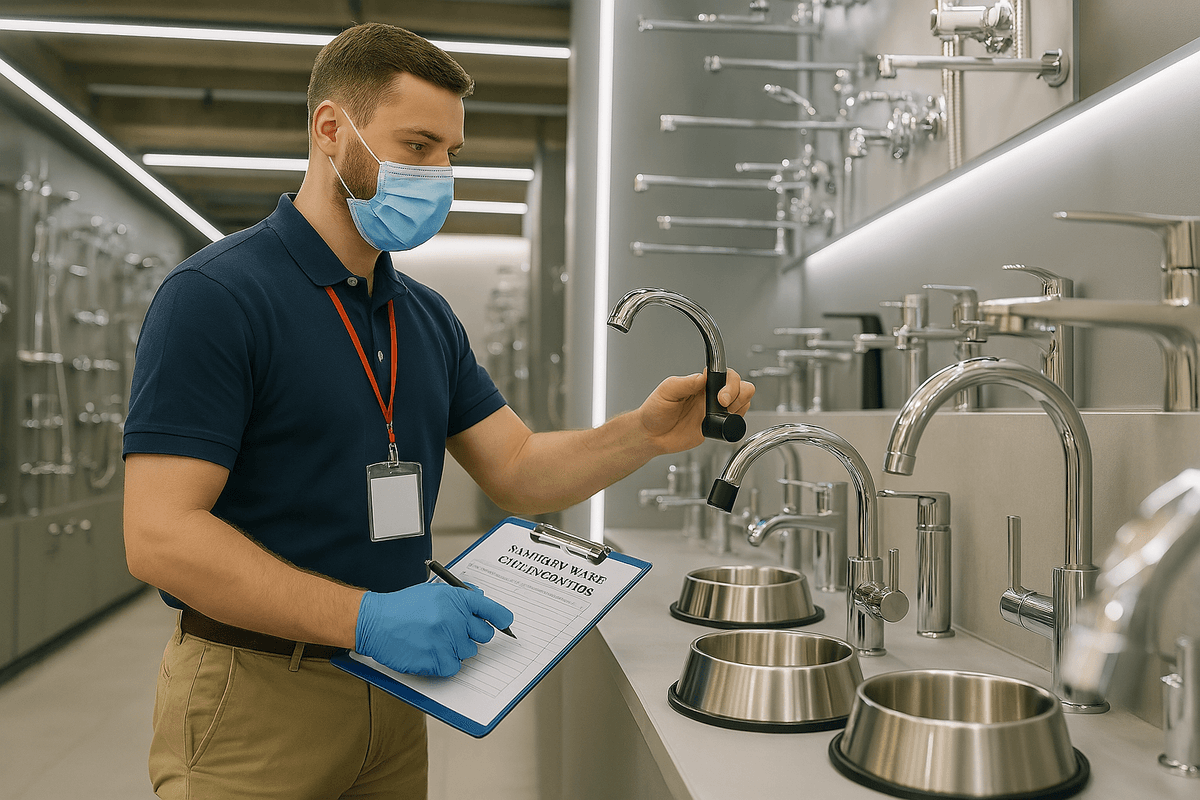
Food safety is a critical aspect of public health, and various types of inspectors play essential roles in ensuring that the food we consume is safe and hygienic. From health inspectors to sanitation inspectors, these professionals are tasked with upholding standards that protect consumers from potential hazards. Understanding their roles gives us insight into how food safety is maintained across industries.
Health Inspectors: Protecting Public Health
Health inspectors are at the forefront of safeguarding public health through rigorous inspections of food establishments. Their responsibilities include evaluating compliance with local, state, and federal regulations related to food safety. Equipped with key skills such as attention to detail and knowledge of health codes, these inspectors ensure that restaurants, grocery stores, and other food service providers meet the necessary standards.
In their work, health inspectors often face challenges such as varying compliance levels among establishments or resistance from business owners. However, by employing best practices for effective inspection—like thorough documentation and clear communication—they can navigate these hurdles efficiently. Ultimately, the inspector roles and responsibilities in this field are vital for preventing foodborne illnesses and protecting community health.
Sanitation Inspectors: Ensuring Cleanliness
Sanitation inspectors focus specifically on cleanliness within food facilities to ensure that hygiene standards are met consistently. Their inspections examine everything from kitchen cleanliness to proper waste disposal practices, which directly impacts the overall safety of food being prepared or served. Key skills for sanitation inspectors include an understanding of sanitation protocols and a keen eye for identifying potential hazards.
These types of inspectors play a crucial role in maintaining high cleanliness standards that prevent contamination risks in both commercial kitchens and processing plants. By adhering to best practices for effective inspection—such as using checklists or conducting surprise inspections—sanitation inspectors can foster a culture of accountability among staff members. The challenges they face often include limited resources or time constraints but overcoming these obstacles is essential for ensuring public trust in food safety.
The Role of Inspectors in Food Certification
Inspectors also play a pivotal role in food certification processes, verifying that products meet specific quality standards before they reach consumers’ plates. This involves assessing everything from ingredient sourcing to production methods while ensuring compliance with various regulations governing the industry. Types of inspector roles involved in certification require extensive knowledge about both local laws and international guidelines when applicable.
The importance of certifications cannot be overstated; they serve as assurances for consumers regarding product quality and safety while enhancing marketability for producers. However, challenges such as evolving regulations or differing international standards necessitate ongoing education for these professionals to remain effective in their inspector roles and responsibilities. By staying informed about best practices for effective inspection techniques, they can help businesses navigate complex certification processes more smoothly.
Environmental Inspectors: Safeguarding Nature

Environmental inspectors play a crucial role in ensuring compliance with laws and regulations designed to protect our planet. Their work spans various sectors, from industrial operations to conservation efforts, making them vital guardians of our natural resources. Understanding the types of inspectors in this field helps highlight their importance in safeguarding the environment.
Roles in Environmental Compliance
The primary role of environmental inspectors is to enforce compliance with environmental laws and regulations that govern air, water, and land quality. They assess whether companies and organizations are adhering to established standards, which is essential for maintaining ecological balance. By understanding inspector roles and responsibilities, we can appreciate how these professionals help mitigate pollution and promote sustainable practices.
In addition to enforcement, environmental inspectors often provide guidance on best practices for effective inspection processes. They educate businesses on the importance of minimizing their environmental footprint while navigating regulatory frameworks. This proactive approach not only ensures compliance but fosters a culture of responsibility toward nature among industries.
Assessing Impact and Mitigating Risks
One of the key skills and qualifications for inspectors in the environmental sector is their ability to assess potential risks associated with various activities. They evaluate projects for their impact on local ecosystems, identifying any potential hazards that could arise during development or operation phases. By thoroughly assessing impact, these inspectors contribute significantly to risk mitigation strategies that protect both human health and biodiversity.
Moreover, they utilize advanced technologies such as Geographic Information Systems (GIS) to analyze data effectively. This data-driven approach allows them to pinpoint areas at risk and recommend appropriate measures before issues escalate into larger problems. With a keen eye on challenges and considerations in inspection work, environmental inspectors ensure that preventive actions are taken early on.
Collaborating with Agencies for Better Outcomes
Collaboration is key when it comes to achieving successful outcomes in environmental inspection efforts. Environmental inspectors often work closely with governmental agencies, non-profit organizations, and community groups to enhance compliance initiatives and share valuable insights about local challenges faced by ecosystems. These partnerships enable a more comprehensive understanding of how different types of inspector roles can come together for greater impact.
Furthermore, by fostering communication between various stakeholders involved in environmental protection efforts, they create a unified front against ecological degradation. This collaborative spirit not only enhances regulatory enforcement but also promotes innovative solutions tailored to specific regional needs across different industries. Ultimately, working together leads to better outcomes for both people and nature alike.
Types of Inspectors in Health Care
The health care sector is a complex ecosystem where various types of inspectors play crucial roles in maintaining safety and standards. These inspector roles and responsibilities are essential for ensuring that patients receive the best possible care without compromising their safety. From medical inspectors to facility inspectors, each type has its own set of key skills and qualifications that enable them to perform effectively.
Medical Inspectors: Ensuring Patient Safety
Medical inspectors are at the forefront of patient safety, scrutinizing everything from surgical procedures to medication administration practices. They assess compliance with health regulations and investigate any incidents that could jeopardize patient well-being. The best practices for effective inspection in this field involve thorough documentation, attention to detail, and the ability to communicate findings clearly with medical staff.
To excel as a medical inspector, one must possess specific key skills such as analytical thinking, attention to detail, and strong communication abilities. Given the challenges and considerations in inspection work—like navigating complex healthcare regulations—medical inspectors must stay updated on the latest standards and procedures. Their role not only helps identify potential hazards but also fosters a culture of continuous improvement within healthcare settings.
Facility Inspectors: Maintaining Standards
Facility inspectors focus on ensuring that healthcare environments meet stringent health and safety standards, which is vital for patient care quality. They evaluate everything from cleanliness and sanitation protocols to equipment maintenance practices, making sure facilities comply with local codes and regulations. These types of inspectors often collaborate closely with other professionals to implement best practices for effective inspection.
The responsibilities of facility inspectors include conducting regular audits, providing training sessions for staff on compliance issues, and preparing detailed reports based on their findings. Key skills such as observational acumen, problem-solving abilities, and an understanding of regulatory requirements are essential for success in this role. Moreover, facility inspectors face challenges like resource limitations or resistance from staff when enforcing compliance measures; thus adaptability becomes crucial.
Regulatory Compliance and its Importance
Regulatory compliance is paramount in healthcare settings where lapses can have serious consequences for patient safety. Inspectors play a pivotal role by ensuring that all aspects—from clinical practices to administrative functions—align with established laws and guidelines governing health services. Understanding the types of inspector roles involved in regulatory compliance helps clarify how these inspections contribute to overall public trust in healthcare systems.
Inspectors must be well-versed in applicable laws while also possessing strong interpersonal skills to engage effectively with healthcare providers during assessments. Challenges may arise due to evolving regulations or differing interpretations among stakeholders; hence ongoing education is vital for these professionals. Ultimately, regulatory compliance not only safeguards patients but also enhances organizational reputation within the competitive landscape of healthcare services.
Conclusion

In wrapping up our exploration of the diverse world of inspectors, it's clear that their roles are pivotal across numerous industries. From ensuring safety on construction sites to safeguarding public health in food services, types of inspectors play a crucial role in maintaining standards and compliance. Understanding these inspector roles and responsibilities can help us appreciate the meticulous work they do behind the scenes.
Key Takeaways on Inspector Roles
Inspectors are the unsung heroes who keep our environments safe and compliant with regulations. Each type of inspector has unique responsibilities tailored to their field, whether it be construction, food safety, or environmental protection. By honing key skills and qualifications for inspectors—such as attention to detail, analytical thinking, and effective communication—they ensure that industries operate smoothly while adhering to best practices for effective inspection.
Insights on the Types of Inspectors
The types of inspectors vary widely but share a common goal: quality assurance and compliance with industry standards. From building inspectors who assess structural integrity to quality control inspectors who evaluate product standards, each type brings specialized knowledge to their field. As we’ve seen throughout this discussion, understanding these various types of inspectors not only helps businesses thrive but also enhances consumer confidence in products and services.
The Future of Inspection in Various Fields
Looking ahead, the future of inspection is poised for transformation through advancements in technology and evolving industry needs. Challenges and considerations in inspection work will require adaptability from professionals as they integrate new tools like AI-driven analytics into their processes. As we embrace these changes, the importance of well-trained inspectors will only grow—ensuring that all types of inspector roles remain vital for safety, quality assurance, and environmental stewardship.