
Introduction
In today's fast-paced industrial landscape, the significance of inspection quality control cannot be overstated. It serves as a critical checkpoint in the product development process, ensuring that products meet established standards before reaching consumers. By implementing robust quality control measures, businesses can enhance their reputation and reduce costs associated with defects and returns.
Importance of Inspection Quality Control
Inspection quality control is essential for maintaining high standards in production and service delivery. It not only helps identify defects early in the manufacturing process but also plays a pivotal role in fostering customer trust and satisfaction. The meticulous nature of quality inspections ensures that products align with both regulatory requirements and consumer expectations, ultimately driving business success.
The Role of Quality Assurance in Industries
Quality assurance acts as the backbone of effective management and quality practices across various industries. It encompasses systematic processes designed to prevent defects rather than merely identifying them post-production. Quality assurance specialists work diligently to implement strategies that elevate overall product quality while minimizing risks associated with poor performance or non-compliance.
Overview of Quality Control Processes
Quality control processes involve a series of structured activities aimed at monitoring and evaluating product standards throughout production cycles. These processes typically include initial inspections, ongoing assessments during manufacturing, and final evaluations before distribution. By integrating these steps into their operations, companies can ensure a consistent level of quality that meets both internal benchmarks and external regulations.
What is Inspection Quality Control?
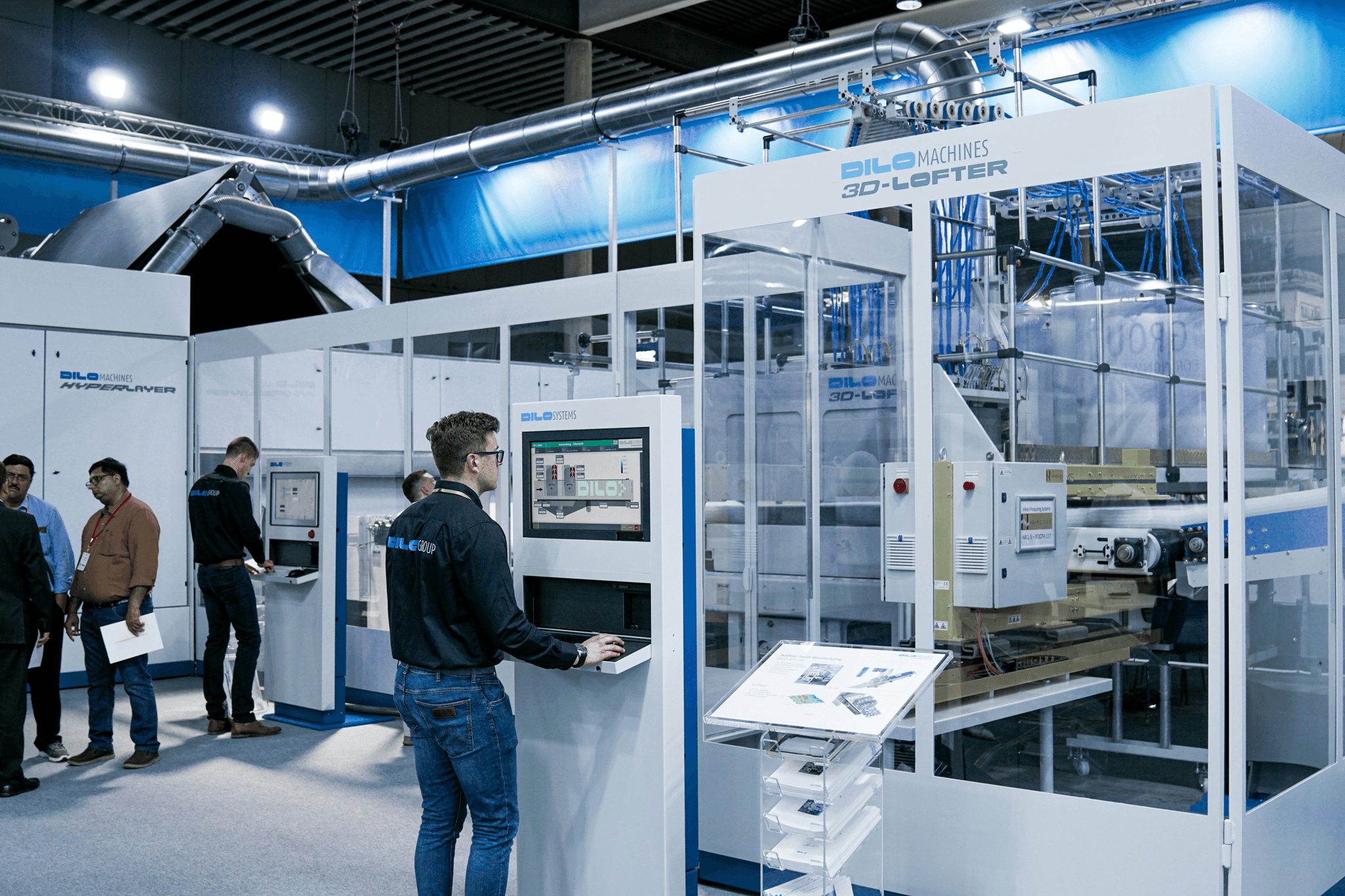
Inspection quality control is a systematic process designed to ensure that products meet specified standards and requirements before they reach the consumer. This involves evaluating various aspects of a product, such as functionality, safety, and compliance with regulations. By implementing effective quality control measures, businesses can minimize defects and enhance customer satisfaction.
Definition and Key Principles
At its core, inspection quality control refers to the processes and methodologies used to assess the quality of products at different stages of production. Key principles include consistency in evaluation, adherence to established standards, and proactive identification of potential issues. These principles are vital for maintaining high levels of quality assurance throughout the manufacturing process.
Importance in Product Development
Quality inspection plays a crucial role in product development by identifying flaws early in the production cycle. This early detection not only saves time but also reduces costs associated with recalls or rework later on. Ultimately, robust inspection quality control leads to higher-quality products that meet customer expectations and regulatory requirements.
Relationship to Quality Assurance
Inspection quality control is intrinsically linked to overall quality assurance within an organization. While quality assurance focuses on preventing defects through systematic processes and management strategies, inspection quality control provides the necessary checks to verify that these processes are effective. Together, they form a comprehensive approach to ensuring that both products and services meet high-quality standards consistently.
The Process of Quality Inspection
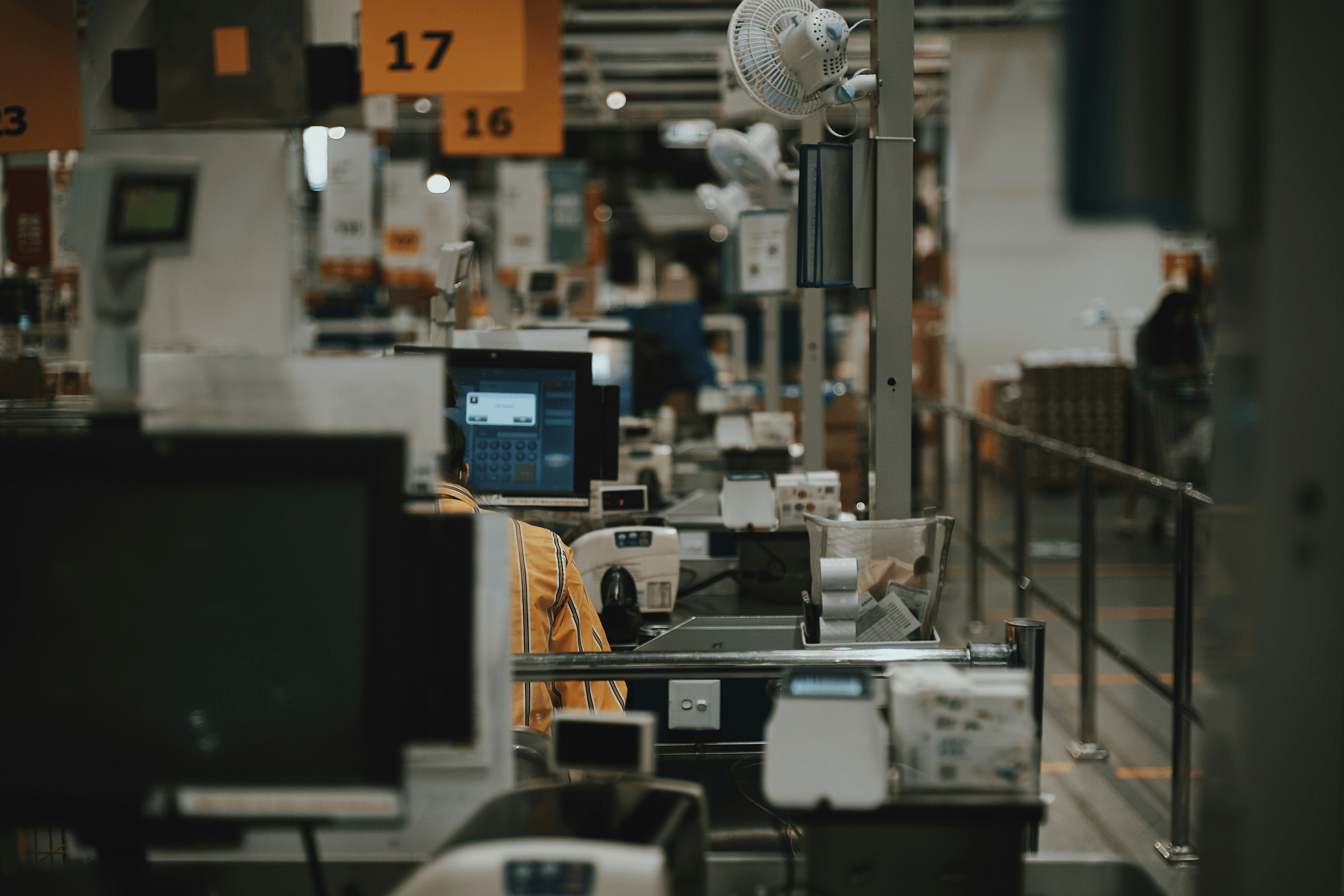
When it comes to ensuring that products meet the necessary standards, the process of quality inspection is paramount. This process serves as a crucial checkpoint within the broader framework of quality assurance, helping to identify defects before they reach consumers. By implementing an effective inspection quality control system, organizations can significantly enhance their reputation and customer satisfaction.
Steps Involved in Quality Inspection
The steps involved in quality inspection are systematic and designed to ensure thorough evaluation. Initially, inspectors define the criteria for quality based on industry standards and client specifications; this sets the groundwork for what constitutes acceptable quality and control. Next, samples of products are selected randomly or through predetermined methods to undergo rigorous testing—this includes visual checks, measurements, and functional tests.
After testing, results are documented meticulously to provide insights into compliance with established benchmarks; this documentation is essential for both internal assessments and external audits. If issues arise during inspection quality control, corrective actions are taken immediately to address any deficiencies found in product quality. Finally, feedback from these inspections informs continuous improvement efforts within management and quality processes.
Tools and Technologies Utilized
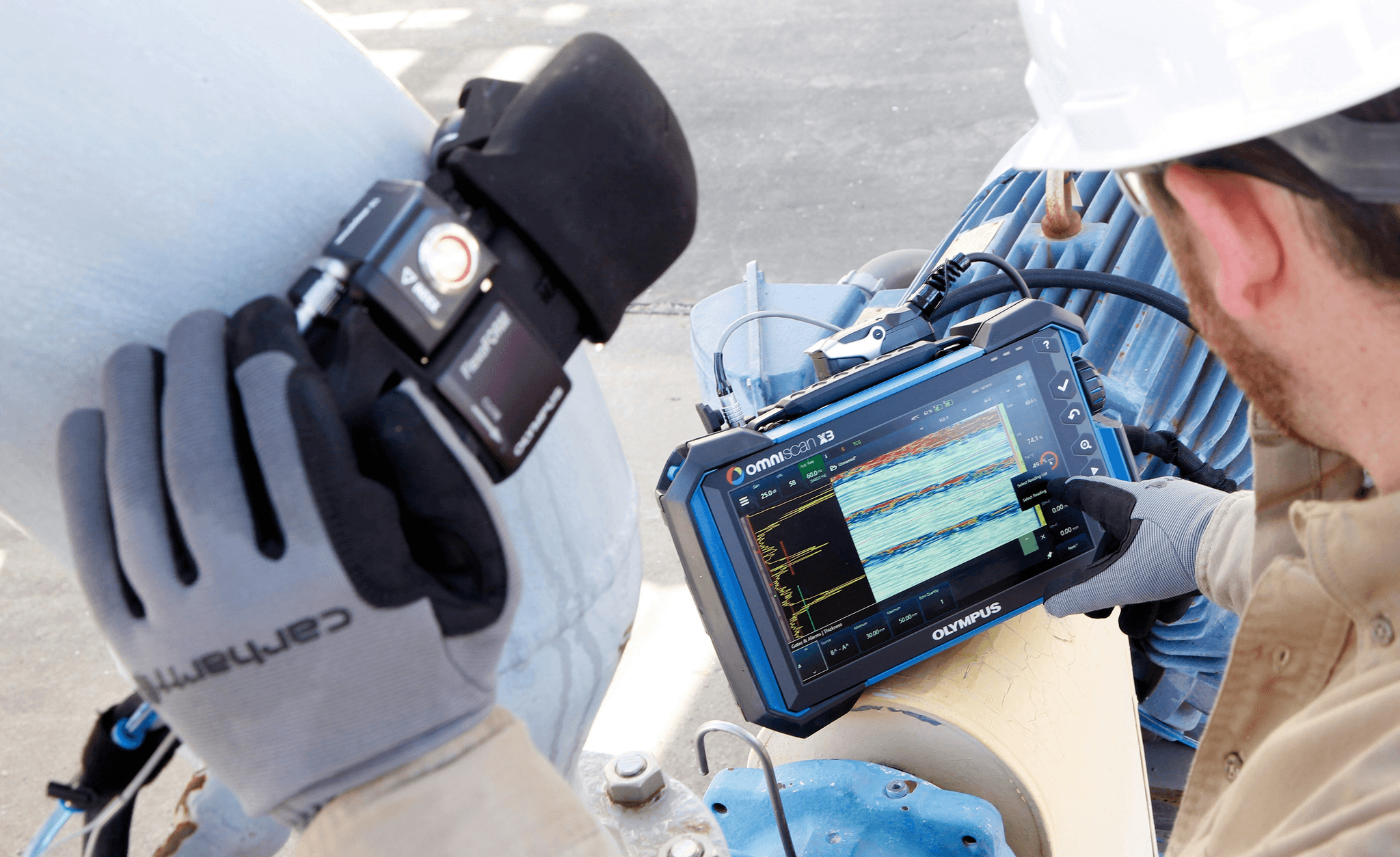
In today's fast-paced world, various tools and technologies play a significant role in enhancing the efficiency of quality inspections. From sophisticated software systems that track defects over time to automated machinery that performs precise measurements, these innovations streamline inspection processes considerably. Additionally, handheld devices equipped with sensors allow inspectors to conduct real-time evaluations on-site without interrupting production flow.
Quality control tools such as statistical process control (SPC) charts enable teams to visualize trends over time; this data-driven approach supports informed decision-making regarding product adjustments or enhancements. Moreover, technologies like artificial intelligence (AI) can predict potential failures based on historical data patterns—making proactive management of quality issues possible before they escalate into larger problems. By leveraging these advanced tools within their inspection practices, organizations can ensure higher standards of product integrity.
Role of Quality Control Specialists
Quality control specialists serve as the backbone of effective inspection processes within any organization focused on maintaining high-quality standards. Their expertise lies not just in identifying flaws but also in understanding complex relationships between different components of production that affect overall product integrity. These specialists often collaborate closely with both production teams and management to communicate findings clearly while advocating for necessary changes based on their inspections.
Furthermore, a significant part of their role involves training other staff members about best practices regarding inspection quality control; this ensures that everyone involved understands how vital their contributions are toward achieving optimal outcomes in product development cycles. A proactive approach from these specialists fosters a culture centered around continuous improvement—a key element when navigating challenges associated with global supply chains or fluctuating market demands for consistent quality assurance.
Quality Control vs. Quality Assurance

When diving into the world of quality management, it's essential to grasp the distinct yet interrelated functions of quality control and quality assurance. While both aim to enhance product quality, they approach the task from different angles. Quality control is primarily about identifying defects in finished products through rigorous inspections, whereas quality assurance focuses on preventing defects by ensuring that processes are well-defined and followed.
Distinct Functions and Goals
Quality control is like the watchful eye at the finish line, ensuring that every product meets specific standards before it reaches consumers. Its main goal is to detect issues in products through various methods, including inspection quality control techniques that examine items against predetermined criteria. On the other hand, quality assurance takes a broader view, aiming to establish processes that minimize variability and prevent errors from occurring in the first place.
The distinction between these two realms becomes clearer when considering their goals: while inspection quality control seeks to catch problems post-production, quality assurance aims for a smooth operation throughout production. This proactive stance helps organizations build a culture of continuous improvement rather than merely reacting to defects after they occur. Ultimately, understanding these differences helps businesses allocate resources effectively and refine their strategies for managing quality.
Integration in Management and Quality
In today's complex business environment, integrating both inspection quality control and quality assurance into management practices is crucial for achieving optimal results. Companies often find that blending these approaches leads to more efficient operations and better overall product outcomes. By fostering collaboration between teams focused on both aspects of quality—control specialists who inspect products and assurance specialists who optimize processes—organizations can create a seamless workflow that enhances both efficiency and effectiveness.
Management plays a pivotal role in this integration by establishing clear communication channels between departments responsible for each function. This synergy ensures that insights gained from inspection activities inform process improvements while maintaining high standards of product integrity through consistent monitoring practices. When management aligns its strategies with both inspection quality control and broader quality assurance principles, organizations can achieve a harmonious balance between producing defect-free products and continuously improving operational efficiencies.
Examples of Each in Practice
To illustrate how these concepts manifest in real-world scenarios, consider an electronics manufacturer implementing robust inspection quality control measures alongside comprehensive quality assurance protocols. In this case, dedicated teams conduct regular inspections at various production stages using advanced tools like automated testing equipment to identify faults early on—this epitomizes effective inspection practices aimed at maintaining high-quality outputs.
Conversely, imagine a food processing company prioritizing preventive measures through its robust training programs for staff on hygiene practices—this reflects its commitment to effective quality assurance initiatives designed to mitigate risks before they escalate into significant issues during production or distribution phases. Both examples highlight how organizations leverage distinct functions within their frameworks: one focusing on post-production checks while the other emphasizes process optimization throughout manufacturing operations.
Best Practices in Inspection Quality Control

In the realm of inspection quality control, adhering to best practices is essential for maintaining consistent quality and ensuring customer satisfaction. These practices not only streamline processes but also enhance the effectiveness of quality assurance measures within organizations. By implementing robust protocols, businesses can minimize errors and elevate their overall quality control efforts.
Standard Operating Procedures
Standard Operating Procedures (SOPs) serve as the backbone of effective inspection quality control. They provide clear guidelines on how to conduct quality inspections, ensuring that every team member follows a uniform approach. With well-documented SOPs, organizations can maintain high standards in product development and ensure that all aspects of quality assurance are addressed consistently.
Moreover, SOPs help in minimizing variability in inspection results, leading to more reliable outcomes. They also facilitate training new employees by providing a structured framework for understanding processes related to quality and control. In essence, SOPs are crucial for fostering a culture of accountability and precision within the field of quality inspection.
Continuous Improvement Methods
Continuous improvement methods are vital for enhancing inspection quality control over time. Techniques such as Six Sigma or Lean methodologies focus on identifying inefficiencies and eliminating waste in processes related to quality assurance. By regularly assessing performance metrics and soliciting feedback from stakeholders, businesses can adapt their strategies to meet evolving industry standards.
Implementing these methods encourages a proactive approach toward managing and improving product quality rather than merely reacting to defects after they occur. This mindset not only boosts morale among employees but also reinforces the importance of maintaining high-quality standards across all operations involved in inspection quality control. Ultimately, continuous improvement fosters an environment where innovation thrives alongside consistent excellence.
Training and Development for Quality Inspectors
Investing in training and development for quality inspectors is paramount for any organization aiming to excel in inspection quality control. A well-trained workforce equipped with up-to-date knowledge about industry standards ensures that inspections are conducted thoroughly and accurately. Quality assurance specialists play a pivotal role here by designing comprehensive training programs that cover both technical skills and soft skills needed for effective communication within teams.
Regular workshops, seminars, or online courses can keep inspectors informed about the latest tools and technologies utilized in the field of quality control management. Furthermore, ongoing professional development helps cultivate a sense of ownership among team members regarding their contributions to overall product integrity through diligent inspections. In this way, companies not only enhance their operational efficiency but also foster loyalty among staff who feel valued through investment in their growth.
Challenges in Quality Control Management

Quality control management is a multifaceted endeavor that businesses often find rife with challenges. The stakes are high, as the quality of products directly impacts customer satisfaction and brand reputation. Understanding and addressing these challenges is crucial for effective inspection quality control and overall quality assurance.
Common Issues Faced by Businesses
One of the most persistent issues in quality control is inconsistency in product standards, which can stem from poorly defined processes or lack of adherence to established protocols. This inconsistency not only affects the reliability of quality inspections but also undermines customer trust in the brand. Moreover, communication gaps between teams can lead to misunderstandings about quality expectations, further complicating management and quality efforts.
Another common challenge arises from insufficient training for employees involved in quality inspection processes. When staff lack proper knowledge and skills, it diminishes the effectiveness of inspection quality control measures. Additionally, inadequate documentation can result in missed opportunities for continuous improvement within the framework of quality assurance.
Lastly, fluctuating market demands can put pressure on businesses to compromise on their inspection standards to meet production targets quickly. This rush often leads to oversight during critical stages of product development, ultimately jeopardizing both product safety and compliance with industry regulations.
Impact of Global Supply Chains
The complexity of global supply chains adds another layer of difficulty to effective quality control management. With materials sourced from various countries, ensuring consistent standards across all suppliers becomes a daunting task for any organization focused on maintaining high-quality benchmarks. Variability in regulations and cultural differences regarding quality assurance practices can further complicate matters.
Additionally, logistical challenges inherent in global supply chains may delay timely inspections or lead to discrepancies between expected and delivered product standards. These delays not only affect production timelines but also increase costs associated with rework or returns due to subpar products entering the market without adequate inspection controls in place.
Moreover, reliance on multiple suppliers means that a single weak link can compromise an entire production line’s integrity—making robust inspection protocols vital for managing risk effectively across international borders.
Solutions for Effective Quality Assurance
To navigate these challenges successfully, businesses must adopt proactive strategies that enhance their approach to inspection quality control. Establishing clear standard operating procedures (SOPs) helps ensure everyone involved understands their roles and responsibilities regarding product inspections—minimizing inconsistencies throughout the process while improving overall efficiency.
Investing in training programs tailored specifically for employees engaged in quality inspections is another essential solution that pays dividends over time; well-trained staff are better equipped to identify defects early on and contribute meaningfully to continuous improvement efforts within management and quality frameworks. Furthermore, leveraging technology such as automated inspection tools can streamline processes while providing real-time data analytics that facilitate informed decision-making around product integrity.
Finally, fostering strong relationships with suppliers through regular audits ensures alignment on expectations regarding materials’ compliance with specified standards—ultimately reinforcing a culture centered around excellence in both inspection quality control and broader organizational objectives related to overall product excellence.
Conclusion
In the ever-evolving landscape of industries, the significance of inspection quality control cannot be overstated. It serves as a backbone for ensuring that products meet established standards and customer expectations. By integrating effective quality assurance practices, businesses can elevate their operational efficiency and build stronger relationships with consumers.
Key Takeaways on Inspection Quality Control
Inspection quality control is essential for maintaining high standards in product development and delivery. It focuses on identifying defects before they reach the consumer, thereby reducing costs associated with returns and rework. Furthermore, the relationship between quality assurance and inspection quality control is symbiotic; together they create a robust framework for consistent quality management.
Future Trends in Quality Assurance
As industries continue to embrace technological advancements, future trends in quality assurance will likely lean towards automation and data analytics. Innovations such as AI-driven quality inspections will enhance accuracy while minimizing human error, leading to improved overall performance in management and quality processes. Additionally, the increasing globalization of supply chains will necessitate more stringent inspection protocols to maintain high-quality standards across borders.
The Role of China Inspection Pro in Quality Control
China Inspection Pro plays a pivotal role in enhancing inspection quality control across various industries by providing specialized services tailored to meet specific needs. Their expertise ensures that products not only comply with international standards but also align with customer expectations for safety and reliability. By leveraging their knowledge as a quality assurance specialist, businesses can navigate complex supply chains more effectively while maintaining rigorous oversight on product integrity.