
Introduction
In today's competitive marketplace, the significance of 3rd party quality inspection cannot be overstated. Companies are increasingly turning to quality control and inspection services to ensure that their products meet stringent standards of excellence. By leveraging the expertise of independent quality control inspectors, businesses can enhance their reputation, reduce risks, and ultimately deliver superior products to their customers.
Importance of 3rd Party Quality Inspection
3rd party quality inspection serves as a vital safeguard in the manufacturing process, ensuring that products are compliant with industry standards and customer expectations. Independent inspection companies bring an objective perspective to the evaluation process, which helps identify potential issues before they escalate into costly problems. This impartiality not only fosters trust among stakeholders but also enhances overall operational efficiency.
Benefits of Quality Control and Inspection Services
Investing in quality control and inspection services provides numerous benefits that can significantly impact a company's success. These services help minimize defects, reduce waste, and streamline production processes—ultimately translating into cost savings for businesses. Furthermore, by implementing rigorous quality inspections, companies can improve customer satisfaction and loyalty through consistent delivery of high-quality products.
How to Choose the Right Inspection Company
Selecting the right inspection company is crucial for effective quality control measures. Start by evaluating the reputation and experience of potential quality control companies; a solid track record speaks volumes about their reliability and expertise in providing thorough inspections. Additionally, reviewing client testimonials can offer insights into their performance while ensuring you choose an inspection company that aligns with your specific needs.
Understanding 3rd Party Quality Inspection
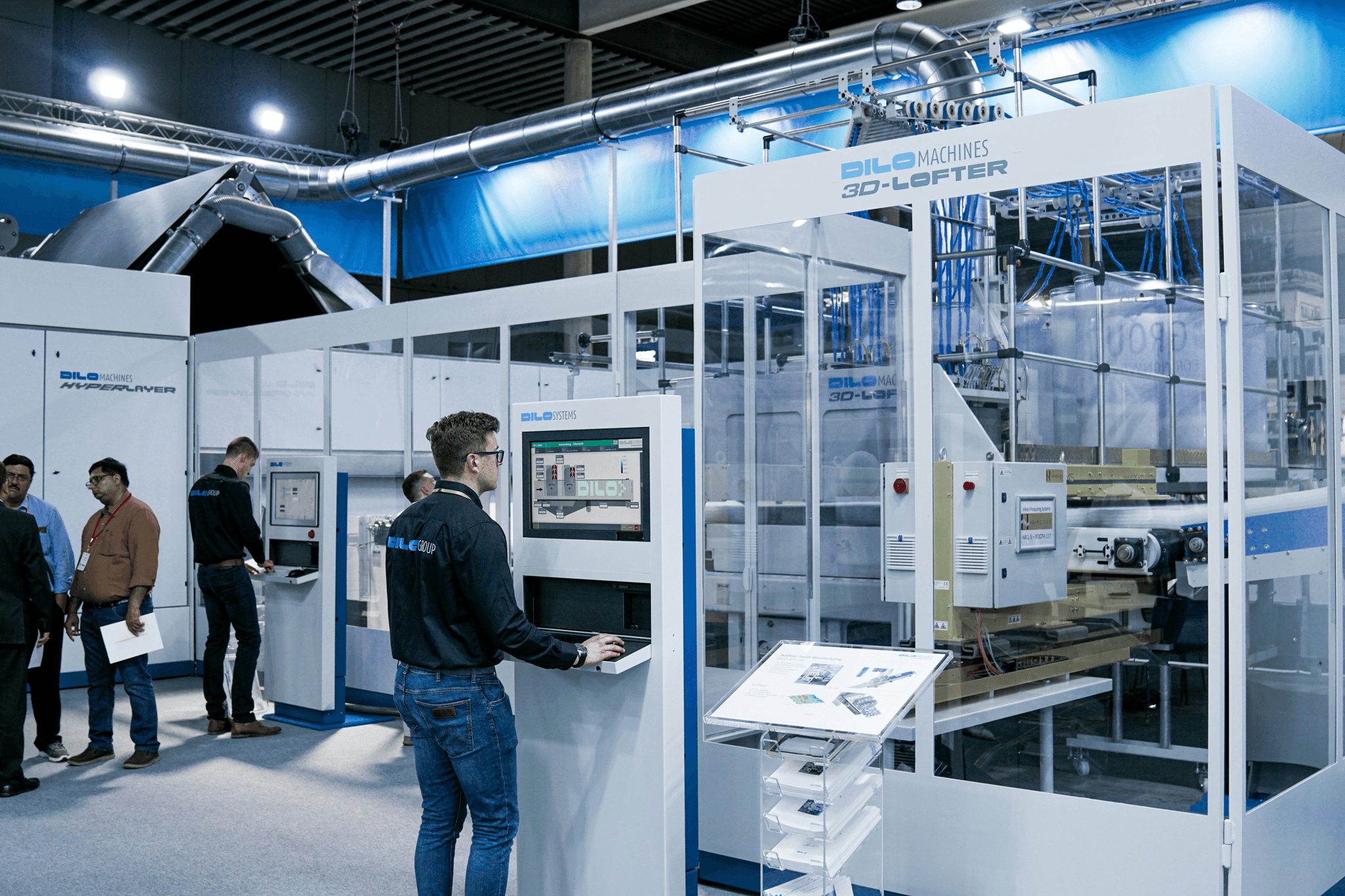
In today's competitive marketplace, 3rd party quality inspection has become a crucial element of maintaining product integrity and customer satisfaction. Quality inspection serves as the gatekeeper between production and delivery, ensuring that products meet the required standards before they reach consumers. By utilizing professional inspection services, companies can mitigate risks associated with defects, thereby enhancing their brand reputation and fostering trust among clients.
Definition and Purpose of Quality Inspection
Quality inspection refers to the systematic examination of products or services to ensure they comply with specified requirements and standards. The primary purpose of quality inspection is to identify defects or deviations early in the production process, allowing for corrective actions before products reach the market. This proactive approach not only reduces waste but also saves time and money for companies relying on effective quality control measures.
Key Stakeholders in the Inspection Process
Several key stakeholders play vital roles in the 3rd party quality inspection process, each contributing unique perspectives and expertise. Manufacturers rely on quality control companies to provide unbiased assessments of their products, while retailers depend on these inspections to ensure consumer safety and satisfaction. Additionally, regulatory bodies may require documentation from inspection companies to confirm compliance with industry standards, making their role indispensable in maintaining product integrity.
The Role of Quality Control Inspectors
Quality control inspectors serve as the frontline defenders against subpar products making their way into consumers' hands. Their responsibilities include conducting detailed inspections based on established criteria, documenting findings meticulously, and providing actionable insights for improvement. By collaborating closely with manufacturers and quality control companies, these inspectors help foster a culture of continuous improvement that ultimately benefits all stakeholders involved in the supply chain.
The Selection Process for Quality Control Companies

Choosing the right quality control company is a crucial step in ensuring that your products meet the highest standards of quality. With numerous options available, navigating the selection process can be daunting. By focusing on key factors such as reputation, expertise, and client feedback, you can make an informed decision that aligns with your needs for 3rd party quality inspection.
Evaluating Company Reputation and Experience
When searching for a reliable inspection company, reputation is everything. A well-established company in the quality control industry often indicates a history of successful inspections and satisfied clients. Look for companies that have been in business for several years and have built a solid reputation through consistent performance in 3rd party quality inspection services.
Experience goes hand-in-hand with reputation; companies that have worked across various industries will likely understand unique challenges related to different products or sectors. This breadth of experience can enhance their ability to deliver insightful quality inspections tailored to your specific needs. Don't hesitate to ask potential inspection companies about their track record and how they handle diverse scenarios.
Additionally, consider checking industry certifications or affiliations that demonstrate a commitment to maintaining high standards within the field of quality control. These credentials can provide further assurance that you are partnering with a reputable company capable of delivering top-notch inspection services.
Assessing Expertise in Inspection Services
Not all inspection companies offer the same level of expertise when it comes to specific types of inspections or industries. Therefore, it’s essential to assess whether a potential partner has specialized knowledge relevant to your product line or sector before making a decision on which quality control company to engage with. Companies boasting experienced quality control inspectors who are well-versed in particular areas will likely provide more accurate assessments during inspections.
Inquire about the qualifications and training undergone by their inspectors; this will give you insight into their capability to perform thorough evaluations based on established standards and regulations. Moreover, check if they employ advanced methodologies or technologies during their inspections—this can significantly enhance accuracy and efficiency in identifying potential issues.
Lastly, don’t overlook the importance of ongoing education within the field—companies committed to continuous improvement often stay updated on emerging trends and best practices related to 3rd party quality inspection services, ensuring they are always at the forefront when it comes to delivering value.
Reviewing Client Testimonials and Case Studies
Client testimonials serve as valuable insights into an inspection company's reliability and effectiveness from those who have already experienced their services firsthand. Take time to read reviews from previous clients; these accounts can reveal important aspects such as communication styles, thoroughness of inspections, and overall satisfaction levels regarding service delivery by quality control companies.
Case studies also provide concrete examples of how an inspection company has successfully tackled challenges similar to yours while providing effective solutions through their quality control processes. Look for detailed case studies highlighting specific outcomes achieved through collaboration with clients; this information can help you gauge whether they align with your expectations for conducting rigorous inspections.
Finally, don't hesitate to reach out directly for references if needed—speaking personally with past clients may give you deeper insights into what working with a particular inspection company entails regarding professionalism and results delivered during 3rd party quality inspections.
Crafting a Quality Inspection Checklist

Creating an effective quality inspection checklist is the backbone of any successful 3rd party quality inspection. A well-structured checklist ensures that all critical aspects of the product or service are evaluated thoroughly, minimizing the risk of overlooking potential issues. By focusing on essential items, companies can streamline their quality control processes and enhance the overall efficiency of inspection services.
Essential Items for Effective Inspections
To kick off your checklist, it's vital to include essential items that cover every aspect of quality control. These items typically encompass product specifications, material integrity, functionality, and safety standards. Additionally, incorporating visual inspections for defects and measuring tolerances can help ensure that your products meet industry standards and customer expectations.
A comprehensive checklist should also account for documentation requirements, such as certificates of compliance or test results from quality control inspectors. This ensures transparency throughout the inspection process and allows for easy reference during audits or follow-ups with your chosen inspection company. Ultimately, a thorough approach to crafting these essential items will foster trust in your company’s commitment to quality.
Tailoring Checklists to Specific Industries
One size does not fit all when it comes to crafting a quality inspection checklist; tailoring checklists to specific industries is crucial for effective evaluations. Different sectors—be it manufacturing, food safety, or electronics—have unique requirements that demand specialized attention from quality control companies. By understanding these nuances, you can create targeted checklists that address industry-specific regulations and best practices.
For example, in the food industry, your checklist might include hygiene practices and temperature controls alongside product specifications. In contrast, an electronics-focused checklist may emphasize circuit integrity and component sourcing verification as key elements for assessment by a quality control inspector. Customizing your checklists not only enhances their effectiveness but also demonstrates a commitment to excellence across various domains.
Incorporating Regulatory Compliance Features
Regulatory compliance is non-negotiable in many industries; thus incorporating these features into your quality inspection checklist is paramount. Ensuring adherence to local and international standards not only mitigates legal risks but also boosts consumer confidence in your products or services offered through 3rd party quality inspections. This means integrating checkpoints related to certifications like ISO standards or industry-specific regulations into your inspections.
Moreover, collaborating with experienced inspection companies helps you stay updated on changing regulations that could impact your operations significantly. Regularly revisiting compliance-related items on your checklist ensures that you remain aligned with current laws while maintaining high-quality benchmarks set forth by regulatory bodies. A robust focus on compliance ultimately strengthens both operational integrity and market reputation.
Effective Communication with Your Inspection Company

Effective communication is the backbone of successful 3rd party quality inspection and quality control processes. Clear dialogue ensures that both parties understand objectives, expectations, and the overall scope of inspection services. When you establish strong communication channels, it not only enhances trust but also leads to more accurate and reliable quality inspections.
Setting Clear Objectives and Expectations
To kick off a fruitful relationship with your chosen inspection company, it's crucial to set clear objectives and expectations from the get-go. This means articulating what you want from your quality control process—whether it's ensuring product compliance or minimizing defects in production. By defining these goals upfront, you empower your quality control inspector to tailor their approach effectively, aligning their services with your specific needs.
Moreover, clarity in objectives helps avoid misunderstandings later on. If everyone involved knows what success looks like, it becomes easier to measure performance against those benchmarks throughout the inspection process. Remember, a well-informed inspection company can deliver better results when they fully grasp your requirements.
Importance of Regular Updates and Feedback
Regular updates are essential in maintaining an effective line of communication with your quality control companies during the inspection process. These updates keep you informed about progress, challenges encountered, and any immediate concerns that may arise during inspections. A proactive approach ensures that issues are addressed promptly rather than waiting for post-inspection reports.
Feedback is equally important; it allows for continuous improvement in both processes and outcomes. Providing constructive feedback helps your quality control inspector understand what aspects are working well and what needs adjustment moving forward. This two-way street fosters a culture of openness that ultimately enhances the effectiveness of all future inspection services.
Building a Collaborative Relationship
Building a collaborative relationship with your inspection company can significantly enhance the efficiency and effectiveness of your overall quality control efforts. Collaboration goes beyond mere communication; it involves actively engaging with each other to solve problems together as they arise during inspections or audits. When both parties feel invested in achieving high-quality outcomes, it cultivates a sense of partnership rather than just a transactional relationship.
In addition to shared goals, collaboration encourages innovation in how inspections are conducted—whether through adopting new technologies or refining existing processes based on mutual insights gained through experience. The more connected you feel to each other’s missions, the better equipped you'll be to tackle challenges together head-on while ensuring top-notch quality assurance throughout every step of the process.
Using Technology in Quality Control
In today's fast-paced manufacturing landscape, technology plays a pivotal role in enhancing the effectiveness of 3rd party quality inspection. From sophisticated software solutions to innovative tools, the integration of technology into quality control processes is transforming how inspection services are delivered. Embracing these advancements not only streamlines operations but also ensures that companies maintain high standards in their quality control efforts.
Tools and Software for Quality Inspection
A variety of tools and software are available to assist quality control inspectors in conducting thorough inspections with greater efficiency. These technologies can automate data collection, facilitate real-time reporting, and improve overall accuracy during the inspection process. By leveraging specialized software designed for quality inspection, companies can ensure that their products meet required specifications while minimizing human error.
Moreover, cloud-based platforms allow for seamless collaboration between inspection companies and clients, providing access to reports and findings from anywhere at any time. This transparency fosters trust between stakeholders involved in the 3rd party quality inspection process. Ultimately, investing in the right tools not only enhances productivity but also contributes to a more robust company quality control strategy.
The Impact of Data Analytics on Quality Control
Data analytics has revolutionized the way businesses approach quality control by enabling them to make informed decisions based on comprehensive insights derived from inspection results. By analyzing trends over time, companies can identify recurring issues or potential areas for improvement within their production processes. This proactive approach allows organizations to address problems before they escalate into larger concerns that could compromise product integrity.
Furthermore, data-driven insights empower quality control companies to optimize their inspection services by focusing on critical metrics that matter most to their clients’ needs. As a result, businesses can prioritize investments in areas that will yield the highest returns regarding product reliability and customer satisfaction. In an era where information is king, harnessing data analytics is essential for continuous improvement in 3rd party quality inspection practices.
Benefits of Remote Inspection Technologies
Remote inspection technologies have gained traction as a viable alternative to traditional on-site inspections due to their numerous advantages for both inspectors and clients alike. These technologies allow quality control inspectors to conduct assessments using video conferencing tools or specialized drones equipped with cameras—eliminating geographical barriers while saving time and resources associated with travel expenses. This flexibility enables more frequent inspections without compromising thoroughness or accuracy.
Additionally, remote inspections facilitate quicker turnaround times for report generation since inspectors can analyze findings immediately after completing assessments remotely. This rapid feedback loop empowers companies to make timely adjustments based on real-time data gathered during inspections—leading ultimately to enhanced product quality outcomes overall. As remote technologies continue evolving within the realm of 3rd party quality inspection services, organizations must adapt accordingly or risk falling behind competitors who embrace these innovations.
Analyzing Inspection Results for Continuous Improvement
In the realm of 3rd party quality inspection, analyzing the results is crucial for fostering continuous improvement. The findings from quality inspections provide valuable insights into a company's operational strengths and weaknesses. By effectively interpreting these results, businesses can enhance their quality control processes and ultimately deliver better products or services.
Interpreting Quality Inspection Findings
Interpreting quality inspection findings requires a keen eye for detail and an understanding of industry standards. Quality control inspectors meticulously document discrepancies, which can reveal patterns that signal systemic issues within production or service delivery. By analyzing these patterns, companies can identify root causes of defects or inefficiencies, enabling them to address underlying problems rather than just symptoms.
Moreover, stakeholders should engage in collaborative discussions to ensure that all interpretations align with the company's objectives and compliance requirements. This joint effort not only enhances understanding but also fosters accountability among team members involved in the inspection process. Ultimately, clear interpretation of inspection findings lays the groundwork for informed decision-making and strategic improvements.
Turning Insights into Actionable Recommendations
Once insights from quality inspections are gathered, transforming them into actionable recommendations is paramount for effective quality control. A well-crafted recommendation should be specific, measurable, achievable, relevant, and time-bound (SMART), ensuring it aligns with both immediate needs and long-term goals of the organization. Quality control companies often provide detailed reports outlining necessary changes to processes or materials based on their findings.
Additionally, involving cross-functional teams in developing these recommendations can lead to more innovative solutions that might not have been considered otherwise. When everyone contributes their expertise—from production staff to management—it creates a sense of ownership over improvements that can significantly enhance overall company quality control efforts. Thus, taking action based on inspection insights not only resolves current issues but also sets a precedent for proactive measures in future operations.
The Role of Follow-Up Inspections
Follow-up inspections play a vital role in ensuring that changes implemented after initial 3rd party quality inspections are effective and sustainable over time. These subsequent evaluations allow companies to verify whether corrective actions have resolved previously identified issues or if new challenges have emerged following adjustments made during the initial review process. Regular follow-ups by an experienced inspection company help maintain high standards of quality control while reinforcing accountability within teams.
Moreover, follow-up inspections offer opportunities for continuous dialogue between clients and inspectors regarding ongoing challenges or successes encountered during implementation phases. This communication helps foster trust and transparency between parties involved—an essential element in any successful partnership with a quality control inspector or company specializing in inspection services. Ultimately, consistent follow-up reinforces a culture committed to excellence by continually striving toward improvement based on real-world outcomes derived from inspections
The Future of Quality Control and Inspection Services
The landscape of quality control and inspection services is evolving rapidly, driven by technological advancements and shifting consumer expectations. As industries become more globalized, the demand for reliable 3rd party quality inspection has surged. Companies are increasingly recognizing that robust quality control measures are not just an option but a necessity for maintaining competitive advantage.
Emerging Trends in Quality Inspection
One of the most significant trends in quality inspection is the integration of artificial intelligence (AI) and machine learning into inspection processes. These technologies enable quality control companies to analyze vast amounts of data quickly, identifying patterns and anomalies that human inspectors might miss. Additionally, the rise of automation in inspection services streamlines workflows, reducing errors and improving efficiency while ensuring consistent quality standards.
Another noteworthy trend is the shift towards remote inspections facilitated by advanced communication technologies. Virtual inspections allow quality control inspectors to assess products without being physically present on-site, saving time and resources while still ensuring thorough evaluations. This innovation not only enhances flexibility but also expands access to expert inspections across different geographical locations.
Lastly, sustainability is becoming a core focus within the realm of quality inspection. Companies are prioritizing eco-friendly practices in their operations, leading to an increased demand for inspections that evaluate sustainability measures in production processes. As consumers become more environmentally conscious, businesses must adapt their quality control strategies accordingly to align with these values.
Sustainability and Ethical Considerations
Sustainability isn't just a buzzword; it's reshaping how companies approach their 3rd party quality inspection processes. Organizations are increasingly held accountable for their environmental impact, prompting them to integrate sustainable practices into their supply chains. Quality control companies are stepping up by offering specialized services that assess environmental compliance alongside traditional product inspections.
Ethical considerations also play a pivotal role in shaping future inspection services. Consumers today expect transparency regarding labor practices and sourcing materials; therefore, companies must ensure ethical standards throughout their production lines. By prioritizing ethical considerations during inspections, businesses can build trust with consumers while enhancing their reputation within the marketplace.
Moreover, aligning with sustainability goals can lead to long-term benefits such as reduced waste and improved resource management—all critical components evaluated during a thorough quality inspection process. As we move forward, integrating these ethical dimensions into company quality control will not only be beneficial but essential for survival in an increasingly conscientious market.
Preparing for Regulatory Changes
Regulatory landscapes are continually evolving across various industries, making it crucial for organizations to stay ahead of potential changes affecting their operations. Companies must proactively engage with 3rd party quality inspection firms that keep abreast of regulatory updates relevant to specific sectors—whether it's food safety regulations or manufacturing standards—to ensure compliance at all levels.
Additionally, preparing for regulatory changes involves regular training sessions for internal teams on compliance requirements related to product safety and environmental impact assessments conducted by qualified inspectors from reputable inspection companies. This ongoing education fosters a culture of accountability within organizations while minimizing risks associated with non-compliance during audits or inspections.
Finally, leveraging technology can aid significantly in this preparation process by automating compliance tracking systems or utilizing software designed specifically for monitoring regulatory changes affecting industry standards globally. By embracing these proactive measures now, businesses position themselves favorably against potential disruptions caused by future regulatory shifts impacting their operations or reputation within the market.
Conclusion
In wrapping up our discussion on 3rd party quality inspection, it’s clear that these services play a pivotal role in ensuring product excellence and compliance. Quality control is not just a checkbox; it's an ongoing commitment to maintaining high standards throughout the production process. By leveraging inspection services effectively, businesses can mitigate risks and enhance their reputation in the market.
Key Takeaways on 3rd Party Quality Inspection
First and foremost, understanding the importance of 3rd party quality inspection can significantly impact your business outcomes. These inspections provide an unbiased assessment of your products, ensuring they meet both internal and external standards before reaching consumers. Moreover, utilizing qualified quality control inspectors helps identify potential issues early, saving time and resources down the line.
Final Thoughts on Choosing Quality Control Companies
When selecting quality control companies, due diligence is essential to find a partner that aligns with your specific needs and industry requirements. Look for companies that boast a strong reputation backed by experience in providing comprehensive inspection services tailored to your sector. Remember to assess their track record through client testimonials and case studies, as these insights can guide you toward making an informed decision.
The Importance of Ongoing Quality Control Efforts
Continuous quality control efforts are vital for sustaining product integrity over time; it's not merely about passing inspections but fostering a culture of excellence within your organization. Regular follow-up inspections can help identify emerging trends or issues, allowing for proactive adjustments before they escalate into larger problems. Ultimately, investing in ongoing quality control will not only enhance customer satisfaction but also position your company as a leader in its field.