
Introduction
In the fast-paced world of business, knowing when to change suppliers can mean the difference between success and stagnation. A reliable supplier is not just a vendor; they are a partner in your journey toward quality and efficiency. However, recognizing the signs that your current supplier isn’t cutting it requires a keen eye and an understanding of key performance metrics—something every quality engineer should be well-versed in.
Knowing When to Change Suppliers
The decision to switch suppliers is rarely taken lightly, but it’s essential for maintaining product integrity and operational efficiency. A quality assurance engineer plays a pivotal role in this assessment by monitoring supplier performance against established standards. If your supplier consistently falls short, it may be time to consult with your QA engineer about exploring new options.
Signs Your Supplier Isn’t Cutting It
Identifying when a supplier is underperforming can sometimes feel like searching for a needle in a haystack. Look out for consistent quality issues, communication breakdowns, or delivery delays—these are red flags that should not be ignored by any QC job professional or procurement team. Remember, even the most established suppliers can falter; it's crucial to stay vigilant.
The Impact on Your Business
The repercussions of sticking with an unreliable supplier can ripple through your entire operation, affecting everything from production timelines to customer satisfaction. When you rely on subpar materials or inconsistent service, it undermines the hard work of your quality assurance engineer and their efforts to uphold high standards. Ultimately, investing in quality suppliers leads not just to better products but also enhances your brand reputation in the long run.
Evaluating Supplier Performance

Key Metrics for Supplier Assessment
Key metrics for supplier assessment include delivery performance, quality rates, and responsiveness to issues. Delivery performance measures whether suppliers meet deadlines consistently; after all, late deliveries can wreak havoc on your production schedule. Quality rates assess the percentage of products meeting specifications—this is where a quality engineer often steps in to analyze defects and non-conformance reports.
Another important metric is the responsiveness of suppliers to inquiries or problems, which reflects their commitment to customer service. A proactive supplier will address issues quickly and effectively, minimizing downtime and disruptions. By regularly monitoring these metrics, companies can identify trends over time—helping them decide if it's time to keep or change their suppliers.
Role of Supplier Quality Engineer
The role of a supplier quality engineer cannot be overstated when it comes to evaluating supplier performance. This professional acts as the bridge between your company and its suppliers, ensuring that all quality standards are met throughout the supply chain process. They conduct audits, assess compliance with industry standards, and work closely with suppliers to implement improvements where necessary.
In addition to conducting assessments, a QA engineer also provides valuable training and support for both internal teams and external suppliers alike. This collaboration fosters an environment where quality becomes everyone's responsibility—not just those in QC jobs or engineering roles. By empowering all stakeholders involved in the supply chain with knowledge about best practices in quality assurance, companies can significantly enhance overall product reliability.
Understanding Quality Assurance Standards
Understanding quality assurance standards is crucial for effective supplier evaluation; these standards act as benchmarks against which supplier performance can be measured. Familiarity with ISO certifications or industry-specific guidelines allows businesses to ascertain whether their suppliers adhere to recognized protocols for quality management systems (QMS). This knowledge not only aids in selecting reliable partners but also strengthens existing relationships by aligning expectations.
Moreover, having a solid grasp of these standards equips companies with the tools needed during audits or assessments conducted by a QA engineer or an external body. It’s important that everyone involved—from procurement teams to senior management—understands these benchmarks so they can make informed decisions regarding current or potential suppliers. Ultimately, adherence to rigorous quality assurance standards leads not only to improved product outcomes but also enhances brand reputation in competitive markets.
Recognizing Red Flags

In the world of supply chain management, recognizing red flags is crucial to maintaining product quality and operational efficiency. When your supplier begins to show signs of trouble, it can lead to a cascade of issues that affect your bottom line. The role of a supplier quality engineer becomes essential in identifying these warning signs before they escalate.
Identifying Quality Issues
Quality issues can manifest in various ways, from defective products to inconsistent performance. A quality engineer should routinely evaluate the products received from suppliers to ensure they meet established standards. If you notice an uptick in complaints or returns, it's time for a deeper dive into your supplier's practices and possibly involve a QA engineer for an objective assessment.
Regular audits and inspections by a QC job professional can help pinpoint specific areas where quality may be lacking. These evaluations are vital not only for immediate problem-solving but also for long-term relationship management with suppliers. Remember, ignoring these issues could lead to significant financial losses and damage your reputation in the market.
Communication Breakdowns with Suppliers
Effective communication is the backbone of any successful partnership; without it, misunderstandings can quickly arise. If you find yourself constantly clarifying requests or dealing with unresponsive suppliers, this is a major red flag that should not be ignored. A quality assurance engineer often acts as the liaison between your team and the supplier, ensuring that everyone is on the same page.
When communication falters, it can lead to delays and errors that compromise product quality—something no business can afford. Regular check-ins and updates are essential; if these become sporadic or inconsistent, it might be time to reassess whether this supplier is still meeting your needs effectively. Engaging with a dedicated supplier quality engineer could improve this situation significantly by fostering clearer lines of dialogue.
Delivery Consistency and Reliability
Delivery consistency is another critical factor in assessing supplier performance; after all, timely delivery impacts production schedules directly. If shipments are frequently late or incomplete, it raises questions about the reliability of your current supplier relationship. A QA engineer should monitor delivery metrics closely—if you see patterns emerging that indicate unreliability, it's worth investigating further.
Inconsistent deliveries not only disrupt operations but also strain relationships within your supply chain network—leading you down a path fraught with complications and potential losses. It's essential to address these inconsistencies promptly; otherwise, they could snowball into larger issues affecting customer satisfaction and overall business success. Involving a competent QC job professional may provide insights into improving delivery processes or even identifying alternative suppliers who can meet your demands more reliably.
Assessing Cost and Value

When it comes to supplier relationships, understanding the balance between cost and quality is crucial. While a lower price tag may seem appealing at first glance, it’s essential to consider whether that savings comes at the expense of product quality. A supplier quality engineer can help you assess the long-term implications of choosing a cheaper option, ensuring that your products meet the necessary standards without breaking the bank.
Balancing Price with Quality
Finding the sweet spot between price and quality requires careful consideration and analysis. Many businesses make the mistake of prioritizing low costs over high-quality materials or services, which can lead to disastrous outcomes down the line. Engaging a quality engineer in this process can ensure that you’re not only saving money but also maintaining an acceptable level of quality—after all, a faulty product can cost much more than its initial savings.
Long-Term vs. Short-Term Savings
In evaluating suppliers, it's vital to differentiate between short-term gains and long-term sustainability. While opting for a cheaper supplier might save money initially, it could lead to increased costs from returns, repairs, or even lost customers due to poor-quality products. A QA engineer can provide insights into how these decisions impact your bottom line over time, helping you make informed choices that benefit your business in the long run.
Understanding the Cost of Switching
Switching suppliers isn’t just about finding someone who offers better prices; there are significant costs associated with making such a change as well. Transitioning involves not only financial investments but also time spent on training staff and integrating new processes—something often overlooked in cost assessments. By engaging a quality assurance engineer early in this process, you can identify potential pitfalls and streamline your transition plan effectively.
Exploring New Supplier Options

When it comes to finding a new supplier, the journey can be both exciting and daunting. A thorough exploration of potential suppliers is crucial, as the right choice can significantly impact your business's quality and efficiency. In this section, we'll delve into how to effectively research suppliers, the vital role of quality engineers in this process, and how services like China Inspection Pro can streamline your search.
Researching Potential Suppliers
The first step in exploring new supplier options is to conduct comprehensive research on potential candidates. Start by utilizing online resources such as industry directories, trade shows, and networking events to gather information about various suppliers who align with your needs. Don't forget to check reviews and testimonials; they often provide valuable insight into a supplier’s reliability and quality performance from a customer perspective.
As you narrow down your list of suppliers, consider reaching out for initial discussions to gauge their responsiveness and willingness to collaborate. Engaging directly with potential suppliers allows you not only to assess their communication skills but also gives you a sneak peek into their operational capabilities—key factors that any quality engineer would prioritize during evaluation. Remember, the goal here is not just finding a cheap option but identifying partners who can consistently deliver high-quality products.
The Role of QA Engineers in Evaluation
Quality assurance engineers play an essential role in evaluating potential suppliers by establishing criteria that align with your company’s standards. They are trained professionals who understand the nuances of product quality and compliance with industry regulations; thus, their insights are invaluable during the selection process. By involving a QA engineer early on, you ensure that critical aspects such as material integrity, production processes, and adherence to specifications are thoroughly assessed.
A quality engineer will use key metrics—like defect rates or delivery times—to objectively compare different suppliers against each other. This data-driven approach helps eliminate biases that might arise from personal preferences or anecdotal evidence alone. With their expertise in identifying potential risks associated with each supplier’s operations, QA engineers become indispensable allies when deciding which partner will best support your business goals.
How China Inspection Pro Can Help
Navigating the complex landscape of supplier selection can be overwhelming; that's where China Inspection Pro comes into play! This service specializes in providing comprehensive inspections and assessments for manufacturers across China—ideal if you're considering overseas partners for your supply chain needs. Their team consists of experienced professionals who understand local market dynamics while maintaining rigorous standards akin to those expected from a qualified supplier quality engineer.
Utilizing China Inspection Pro allows businesses to mitigate risks associated with international sourcing by offering pre-shipment inspections and factory audits designed specifically around your unique requirements. These services ensure that any chosen supplier meets both domestic regulations and international quality assurance standards before products even reach your doorstep! When transitioning between suppliers or entering new markets altogether, leveraging expert assistance like this makes all the difference in maintaining product integrity.
Managing the Transition Process
Transitioning to a new supplier can feel like navigating a minefield without a map, but with the right strategies in place, you can make it smoother than a well-oiled machine. A solid transition plan is essential to ensure that all aspects of the change are covered, from logistics to quality assurance. Involving your supplier quality engineer early in this process will help identify potential pitfalls and streamline communication between teams.
Developing a Transition Plan
Creating an effective transition plan is akin to drawing up battle plans before heading into war—without it, chaos reigns supreme. Start by outlining key objectives and timelines, ensuring that every team member knows their role in the process. Your quality engineer should be involved in this planning phase to establish metrics for success and monitor compliance with quality assurance standards throughout the transition.
Once you've set your objectives, it's crucial to keep lines of communication open among all stakeholders. Regular updates and meetings will help catch any issues before they escalate into major problems. Remember, your qc job doesn't end with just finding a new supplier; it extends into ensuring that the new relationship meets or exceeds expectations.
Ensuring Quality Assurance During Change
Quality assurance during a supplier transition is not just important; it's absolutely critical for maintaining product integrity and customer trust. Engaging a dedicated quality assurance engineer during this phase ensures that rigorous checks are in place to uphold standards as you shift suppliers. They will be responsible for conducting audits of incoming materials and processes while also training existing staff on new protocols.
Incorporating feedback loops into your quality assurance strategy allows for real-time adjustments based on performance metrics gathered by your qa engineer or supplier quality engineer. This proactive approach helps identify any discrepancies early on, allowing you to address them before they impact production or delivery timelines. Ultimately, investing time in ensuring robust QA processes will pay off by minimizing disruptions and maintaining product reliability.
Training Staff on New Supplier Protocols
Training staff on new supplier protocols is like teaching someone how to ride a bike—initially wobbly but eventually second nature with practice! It’s essential that everyone understands not only what has changed but also why these changes are necessary for maintaining high-quality standards moving forward. Your qc job includes developing training materials that clearly outline roles and responsibilities related to the new supplier relationship.
Consider workshops led by your quality engineer or qa engineer who can provide hands-on demonstrations of any new processes or tools introduced by the incoming supplier. These sessions should focus on practical applications of quality assurance principles tailored specifically for interactions with the new vendor's systems and products. When employees feel confident about their roles in this transition, they’re more likely to embrace change positively rather than resist it out of fear or uncertainty.
While transitioning suppliers may seem daunting at first glance, careful planning combined with effective training ensures that everyone remains aligned toward achieving superior product outcomes!
Conclusion
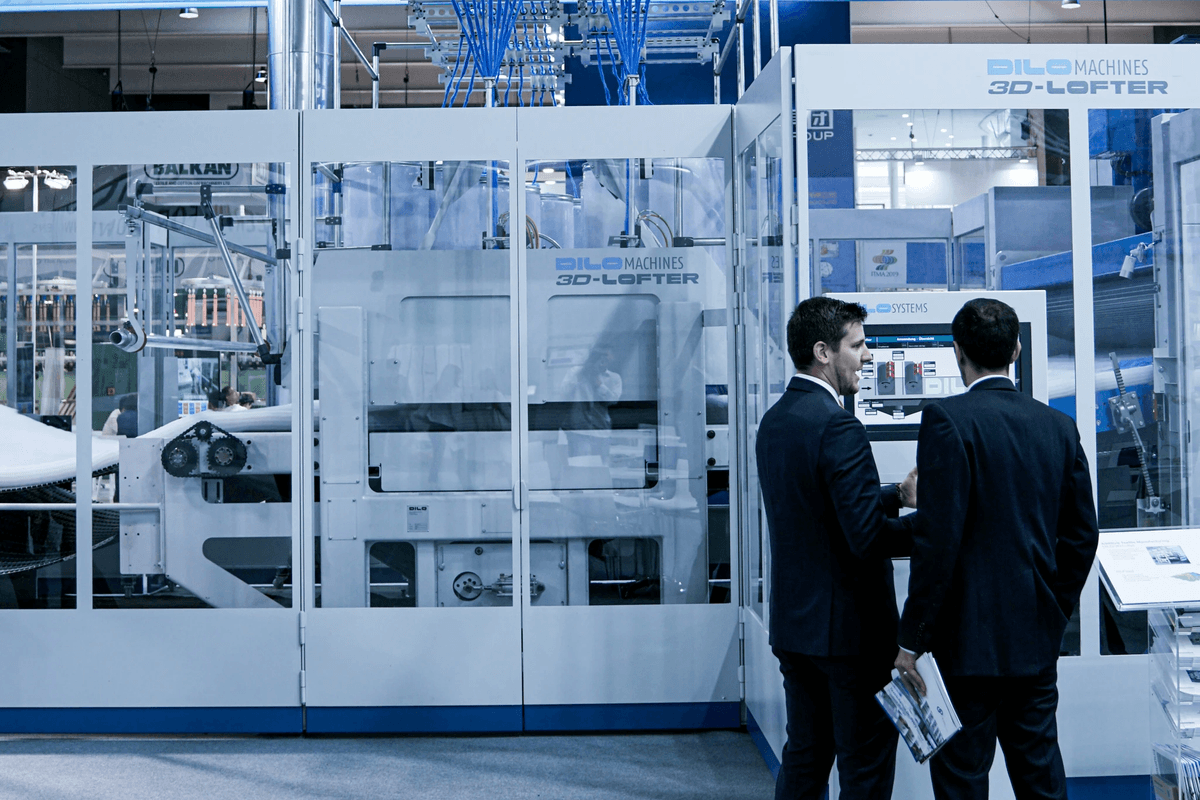
In the world of supply chain management, the importance of supplier evaluation cannot be overstated. A thorough assessment can lead to better partnerships and ultimately drive your business's success. Recognizing when to make a change and understanding how to evaluate potential suppliers is crucial for maintaining high-quality standards.
Final Thoughts on Supplier Evaluation
Supplier evaluation is not just a checkbox exercise; it’s an ongoing process that should involve your entire team, especially the supplier quality engineer and quality assurance engineers. These professionals play a pivotal role in ensuring that suppliers meet your company's standards and expectations. By fostering open communication with your qa engineer and involving them in assessments, you create a culture of continuous improvement that benefits everyone involved.
The Long-Term Benefits of Quality Suppliers
Investing time in finding quality suppliers pays off in the long run, as it leads to improved product quality and customer satisfaction. When you have reliable partners, you can focus on innovation instead of constantly putting out fires caused by subpar materials or delayed deliveries. Moreover, having a dedicated qc job within your organization helps streamline processes and ensures compliance with industry standards, further enhancing your reputation.
Your Path to Enhanced Product Quality
Embarking on the journey towards enhanced product quality requires commitment and strategic planning. Start by engaging closely with your quality assurance engineer to establish clear performance metrics for existing suppliers while exploring new options with potential partners. Remember, each step taken towards refining your supply chain will not only elevate product standards but also solidify your position in the market as a leader committed to excellence.