
Introduction

In the fast-paced world of fashion, where trends change overnight and consumer expectations soar, quality control in the apparel industry has never been more critical. The success of any clothing brand hinges on its ability to deliver products that not only look good but also meet rigorous standards for durability and safety. This is where quality control steps in, serving as a guardian of both brand reputation and customer satisfaction.
The Importance of Quality Control in Apparel
Quality control is the backbone of the apparel industry, ensuring that every garment meets specific criteria before it reaches consumers. Brands that prioritize quality control can significantly reduce returns and complaints, fostering customer loyalty and trust. Moreover, effective quality inspection processes can enhance a company's competitive edge by consistently delivering high-quality products.
Understanding Quality Assurance Versus Quality Control
While the terms quality assurance and quality control are often used interchangeably, they refer to distinct aspects of maintaining product integrity. Quality assurance focuses on preventing defects through systematic processes, while quality control is about identifying defects in finished products through rigorous testing and inspection methods. Understanding these differences is essential for brands aiming to implement comprehensive strategies for quality and assurance throughout their operations.
Why Testing Matters in Textiles
Testing plays a pivotal role in ensuring that textiles meet safety standards and performance expectations. Rigorous testing helps identify potential issues early in production, allowing companies to rectify problems before they escalate into costly recalls or reputational damage. In an industry where consumer safety is paramount, thorough testing not only protects brands but also empowers consumers with confidence in their purchases.
What is Quality Control in Apparel Industry
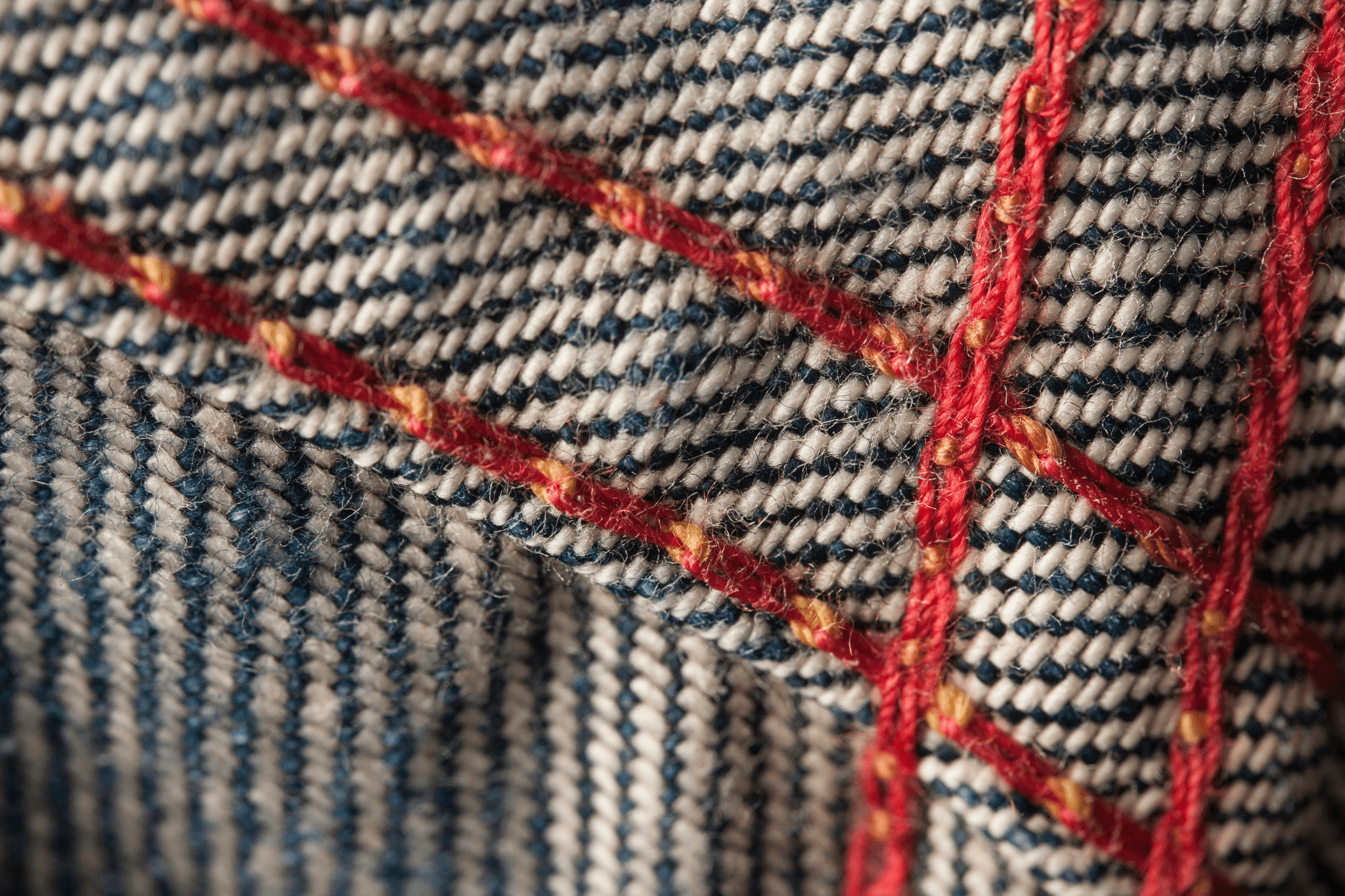
Quality control in the apparel industry is a systematic process that ensures products meet specified requirements and standards before reaching consumers. This involves various methods of quality assurance that help identify defects and inconsistencies early in the production cycle. By implementing effective quality control measures, companies can enhance customer satisfaction and brand loyalty.
Defining Quality Control in Textiles
Quality control in textiles refers to the procedures and practices used to monitor and maintain the quality of fabric and finished garments. It encompasses a range of activities, from raw material inspection to final product evaluation, ensuring that every piece meets established specifications. In this context, quality assurance plays a crucial role in preventing defects and ensuring that quality standards are consistently upheld throughout production.
The Role of Quality Assurance Specialists
Quality assurance specialists are pivotal to maintaining high standards in the apparel industry by overseeing quality control processes. These professionals are responsible for conducting inspections, analyzing data, and implementing corrective actions when issues arise. Their expertise not only helps identify potential problems but also fosters a culture of continuous improvement within organizations focused on both quality and assurance.
Standards and Regulations to Know
Understanding relevant standards and regulations is essential for effective quality control in the apparel industry. Organizations such as ASTM International (formerly known as the American Society for Testing and Materials) provide guidelines for testing materials' performance characteristics, while ISO (International Organization for Standardization) sets global benchmarks for manufacturing practices. Compliance with these standards ensures that products not only meet consumer expectations but also adhere to safety regulations, ultimately enhancing overall product integrity.
Types of Quality Inspections

In the world of quality control in the apparel industry, inspections play a crucial role in ensuring that products meet the necessary standards before they reach consumers. Various types of quality inspections can be employed throughout the production process, each serving specific purposes to uphold quality assurance. Understanding these inspection types helps brands maintain their reputation and ensure customer satisfaction.
In-Line vs. Final Inspections
In-line inspections occur during the manufacturing process, allowing quality assurance specialists to identify defects as they happen. This proactive approach enables immediate corrective actions, which can prevent larger issues down the line and minimize waste related to poor quality control. On the other hand, final inspections take place after production is completed; this method ensures that finished products meet all specifications before shipping but may miss issues that could have been addressed earlier.
Both in-line and final inspections are essential components of a robust quality control strategy in the apparel industry. By integrating both methods, brands can enhance their quality and assurance processes while reducing costs associated with returns or rework due to undetected flaws. Ultimately, striking a balance between these two inspection types leads to a more efficient and effective overall quality control process.
Pre-Production and Post-Production Testing
Pre-production testing involves evaluating materials and components before they enter full-scale production—this includes assessing fabric properties, colorfastness, shrinkage rates, and more. By conducting thorough pre-production tests, companies can ensure that their raw materials align with desired standards for quality control in apparel industry practices right from the start. This step is critical for avoiding costly mistakes later on when large quantities of defective garments might be produced.
Post-production testing focuses on assessing finished products for compliance with established specifications after manufacturing is complete. This stage often includes wear tests or evaluations against safety regulations to guarantee that items are ready for consumer use without compromising on quality assurance standards. Together, pre-production and post-production testing create a comprehensive framework for maintaining high-quality levels throughout every stage of production.
The Importance of Random Sampling
Random sampling is an invaluable technique within the realm of quality inspection because it allows brands to assess product batches without inspecting every single item individually—after all, who has time for that? By selecting random samples from various stages of production or different batches, companies can gain insights into overall product consistency while saving time and resources typically spent on exhaustive checks. This method not only streamlines processes but also enhances reliability when evaluating overall product performance.
Employing random sampling also helps mitigate risks associated with human error during inspections; relying solely on visual assessments may lead to overlooking defects present in non-sampled items within a batch. Quality assurance specialists often advocate for this technique as it provides a statistically significant representation of product integrity across larger quantities while adhering closely to established guidelines for effective quality control in apparel industry practices. Thus, implementing random sampling becomes an essential strategy towards achieving optimal results in both efficiency and accuracy during inspections.
Key Metrics for Quality Assurance
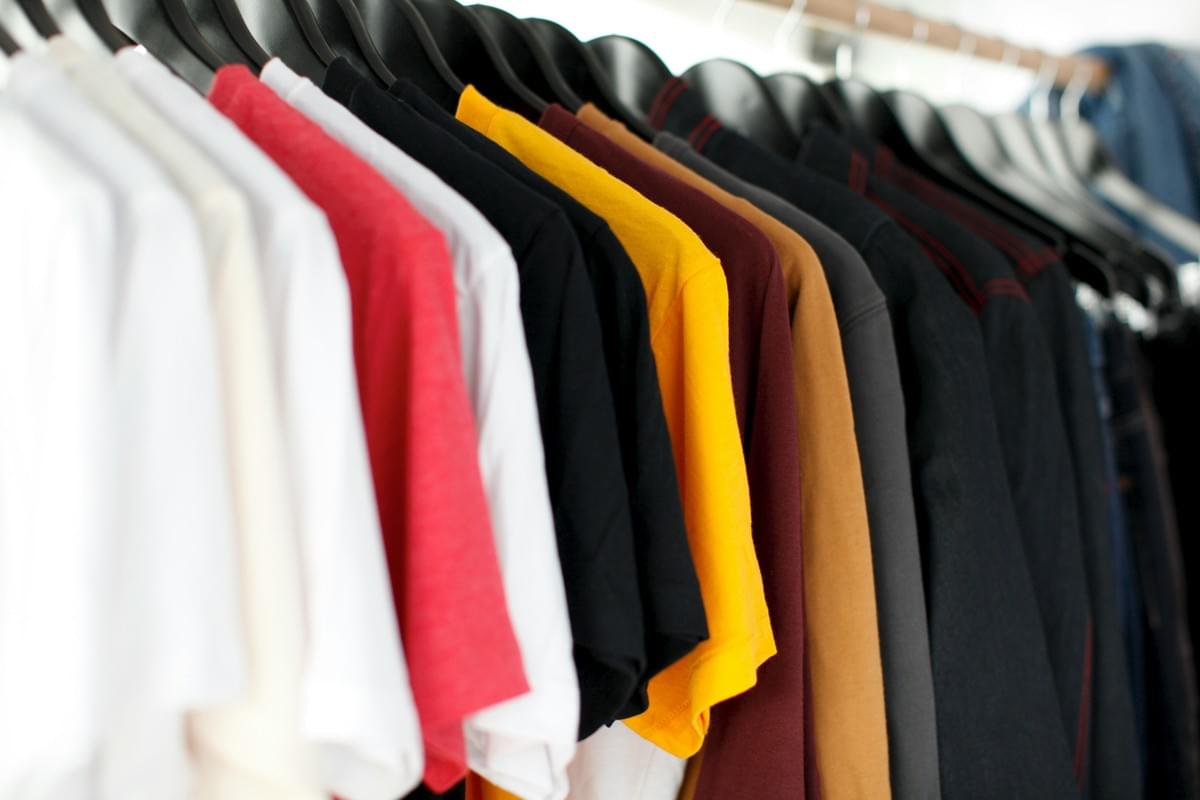
Quality assurance in the apparel industry hinges on a set of critical metrics that help gauge the effectiveness of quality control measures. These metrics provide insights into production processes, allowing brands to identify areas needing improvement and ensuring that products meet consumer expectations. By focusing on these key metrics, companies can foster a culture of quality and control throughout their operations.
Measuring Defects and Tolerances
Measuring defects is crucial for maintaining high standards in the quality control in the apparel industry. This involves identifying acceptable tolerances for each garment, which can vary based on fabric type, design intricacies, and intended use. A quality assurance specialist often employs statistical methods to quantify defects, helping teams understand where they stand relative to established benchmarks.
In practice, this means tracking everything from stitching errors to fabric flaws during various stages of production. By establishing clear defect thresholds, brands can streamline their quality inspection processes and minimize waste due to non-compliant items. Ultimately, effective measurement of defects not only ensures product integrity but also enhances customer satisfaction.
The Cost of Poor Quality
The cost of poor quality is a staggering reality that many in the apparel industry face when neglecting robust quality control measures. Poorly made garments lead to returns, lost sales opportunities, and damage to brand reputation—issues that can accumulate quickly if not addressed promptly. Understanding these costs is essential for companies aiming to invest wisely in quality assurance initiatives.
Moreover, addressing poor-quality issues often requires additional resources for rework or replacement items, further straining budgets and operational efficiency. When brands prioritize quality and control from the outset, they mitigate these risks significantly while fostering loyalty among consumers who expect consistency in their purchases. Thus, investing in thorough testing and inspections becomes an economically sound strategy rather than an expense.
Use of Data in Quality Control
Data-driven decision-making has revolutionized how businesses approach quality control in the apparel industry. By leveraging data analytics tools alongside traditional inspection methods, organizations can gain deeper insights into production processes and outcomes related to quality assurance efforts. This analytical approach allows teams to identify trends over time—such as recurring defects or inefficiencies—that might otherwise go unnoticed.
Quality inspection services increasingly utilize software platforms that collate data from various stages of production into comprehensive reports accessible by stakeholders across departments. With this information at hand, companies can proactively address potential issues before they escalate into costly problems while also refining their overall strategies for maintaining high-quality standards consistently throughout their supply chain operations. In essence, integrating data into quality control not only enhances transparency but also empowers teams with actionable insights essential for continuous improvement.
Collaborating with Quality Inspection Services

In the fast-paced world of the apparel industry, ensuring quality control is paramount. Collaborating with specialized quality inspection services can significantly enhance your production process and product reliability. By leveraging their expertise, brands can not only meet but exceed customer expectations through effective quality assurance strategies.
Benefits of Hiring Experts like China Inspection Pro
When you hire experts such as China Inspection Pro, you gain access to a wealth of knowledge in quality control in the apparel industry. These professionals are well-versed in the nuances of textile standards and regulations, ensuring your products meet both local and international requirements. Their trained quality assurance specialists conduct thorough inspections that identify potential issues early in the production cycle, saving companies from costly recalls or dissatisfied customers down the line.
Moreover, these experts utilize advanced technology and methodologies for efficient quality inspection processes. This means faster turnaround times without compromising on accuracy or detail. By collaborating with seasoned professionals, brands can focus more on design and marketing while leaving meticulous quality checks to those who specialize in it.
How Quality Control Can Save Costs
Implementing robust quality control measures can lead to significant cost savings for companies operating within the apparel industry. Poor-quality products often result in returns, reworks, or even damage to brand reputation—expenses that can quickly add up. By investing in a solid quality assurance framework from the start, businesses can minimize defects and reduce waste throughout their supply chain.
Additionally, proactive inspections help identify problems before they escalate into larger issues that require expensive fixes later on. This preventative approach not only safeguards financial resources but also enhances overall operational efficiency by streamlining production processes based on real-time feedback from inspections. Ultimately, effective collaboration with inspection services translates into healthier profit margins.
Case Studies on Successful Quality Inspections
Several brands have successfully transformed their operations through strategic partnerships with quality inspection services like China Inspection Pro. For instance, a mid-sized clothing manufacturer faced recurring issues with fabric defects that were impacting customer satisfaction rates and sales figures. After engaging an experienced quality assurance specialist team for comprehensive inspections during various production stages, they were able to identify specific problem areas related to supplier materials.
As a result of implementing these insights into their sourcing practices and adopting rigorous testing protocols recommended by their inspectors, this company saw a 30% reduction in defects over six months! Another footwear brand leveraged data-driven metrics provided by their inspection partner to streamline manufacturing processes further while maintaining high-quality standards across all product lines—leading to increased consumer trust and loyalty.
These success stories illustrate how effective collaboration with qualified inspection services can elevate both product integrity and brand reputation within the competitive landscape of fashion retail.
Challenges in Quality Control and Assurance
Quality control in the apparel industry is fraught with challenges that can derail even the best-laid plans. From miscommunication between teams to unexpected production delays, these pitfalls can lead to significant quality issues. Understanding these common challenges is crucial for any brand aiming to maintain high standards of quality and assurance.
Common Pitfalls in the Apparel Industry
One of the most prevalent pitfalls in quality control is a lack of clear communication among stakeholders. When designers, manufacturers, and quality assurance specialists are not on the same page, it can result in discrepancies that compromise product integrity. Additionally, overlooking the importance of thorough quality inspections during production phases often leads to defects slipping through unnoticed.
Another common issue is inadequate training for staff involved in quality control processes. Without proper knowledge of what constitutes acceptable standards, workers may fail to identify critical flaws during inspections. This gap not only affects product quality but also impacts overall customer satisfaction and brand reputation.
Lastly, tight production timelines can pressure teams into cutting corners on quality checks. In an industry driven by trends and fast fashion, it’s tempting to prioritize speed over thoroughness—yet this often results in costly mistakes that could have been avoided with diligent oversight and robust quality control measures.
Navigating Global Sourcing Complexities
The global nature of today's apparel industry adds layers of complexity to quality assurance efforts. Sourcing materials from different countries means dealing with varying regulations and standards for quality control, which can create confusion or inconsistencies across products. This challenge necessitates a comprehensive understanding of international compliance requirements to ensure that all components meet established criteria for safety and performance.
Cultural differences also play a significant role when working with international suppliers or manufacturers. Misunderstandings due to language barriers or differing business practices can lead to poor-quality outcomes if not addressed proactively through effective communication strategies. Quality assurance specialists must be adept at navigating these complexities while fostering strong relationships with partners around the world.
Furthermore, logistical issues such as shipping delays or customs complications can disrupt supply chains and impact timely delivery schedules—putting additional stress on maintaining high-quality standards throughout production cycles. Brands must stay vigilant about these potential pitfalls as they work toward achieving excellence in their products.
Strategies to Overcome Quality Control Issues
To counteract challenges faced within the realm of quality control, brands should invest in comprehensive training programs for employees involved in both production and inspection processes. By ensuring that everyone understands their role within the broader context of quality assurance, companies can foster a culture focused on excellence at every level—from design through final inspection.
Implementing regular audits and assessments also helps identify weaknesses within existing processes before they escalate into larger problems affecting product integrity or customer satisfaction levels negatively. These proactive measures allow businesses engaged in apparel manufacturing operations to continuously refine their approach toward achieving optimal standards related specifically to both quality control and overall operational efficiency.
Collaboration with specialized third-party inspection services offers another avenue for improving outcomes related directly back toward maintaining high-quality benchmarks throughout all stages involved within garment creation cycles as well! By leveraging expert knowledge from seasoned professionals familiarized specifically regarding relevant regulations associated directly pertaining towards each unique market segment being served—brands gain access invaluable insights necessary ensuring compliance along every step taken during respective journeys toward realizing ambitious goals surrounding overall success!
Conclusion
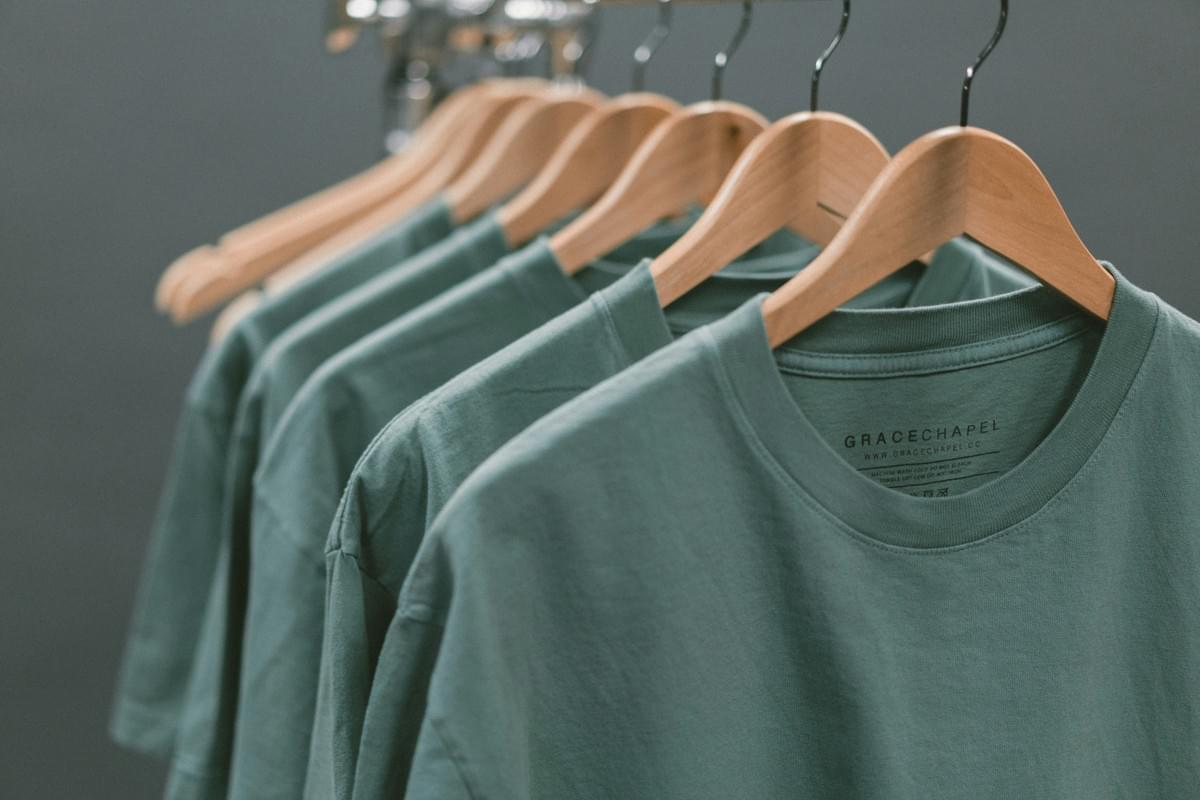
In the fast-paced world of fashion, maintaining high standards is crucial for success. Quality control in the apparel industry is not just a checkbox; it's a commitment to excellence that resonates with consumers. Through rigorous quality inspection and quality assurance practices, brands can elevate their offerings and distinguish themselves in a crowded marketplace.
Elevating Apparel Standards through Testing
Testing is the backbone of quality control in apparel, ensuring that every piece meets established standards before it reaches consumers. By prioritizing quality and assurance from the start, brands can avoid costly mistakes and build trust with their customers. The focus on quality control not only enhances brand reputation but also fosters customer loyalty, leading to long-term success.
Making Informed Decisions with Quality Insights
In today's data-driven landscape, making informed decisions is paramount for any business aiming for growth. Quality assurance specialists play a pivotal role in analyzing data related to defects and tolerances, providing insights that help brands refine their processes. By leveraging these insights into quality and control measures, businesses can optimize production while minimizing waste and costs.
The Future of Quality Control in Textiles
The future of quality control in textiles is poised for transformation as technology continues to evolve. Innovations such as AI-driven inspections and real-time monitoring will enhance the effectiveness of quality inspection processes significantly. As the industry adapts to new challenges, embracing advanced quality assurance methods will be essential for maintaining competitive advantage and ensuring customer satisfaction.