
Introduction
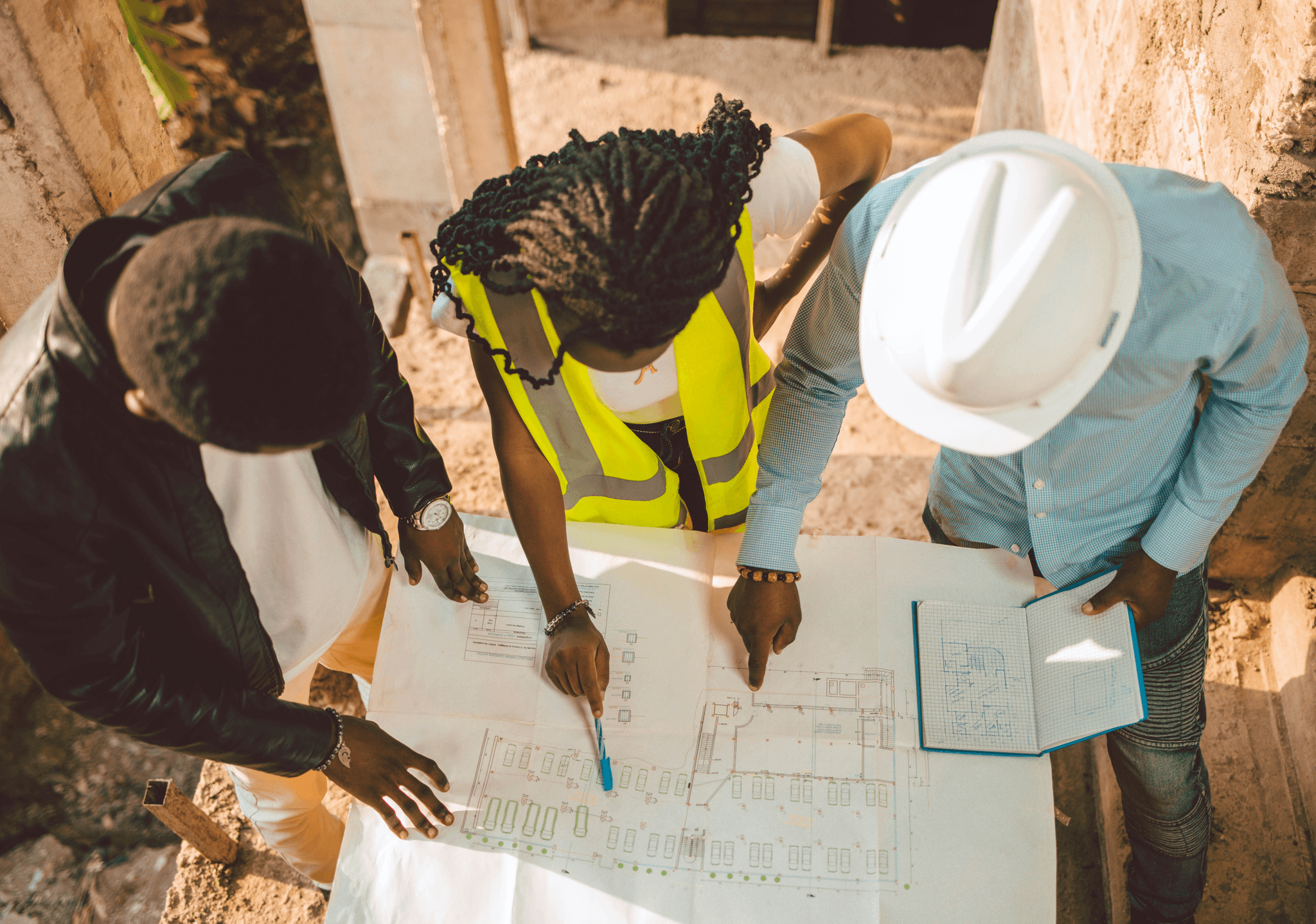
In the world of construction, inspections are the unsung heroes that ensure projects not only meet standards but also stand the test of time. Whether they are mandatory or voluntary inspections during construction, these evaluations serve as a critical checkpoint in the building process. Understanding their importance is key to recognizing how they contribute to overall quality and safety.
Understanding the Importance of Inspections
Inspections play a vital role in maintaining construction quality and compliance with regulatory standards. They help identify potential issues before they escalate into costly problems, ensuring that everything from materials to workmanship is up to par. This proactive approach not only enhances safety but also builds trust among stakeholders involved in the project.
Distinguishing Between Mandatory and Voluntary Reviews
Mandatory inspections are required by law or industry regulations, while voluntary inspections can be implemented by companies seeking to exceed minimum requirements or improve quality control measures. Both types serve unique purposes but ultimately contribute to a more robust inspection process on-site during inspections.
How On-Site Inspections Impact Construction Quality
On-site inspections directly influence construction quality by providing real-time evaluations of work being performed. These evaluations allow for immediate corrections and adjustments, which can significantly reduce errors and enhance overall project outcomes. By integrating regular on-site assessments into their workflow, construction teams can ensure that they adhere to best practices throughout the entire building process.
The Essentials of On-Site Inspections
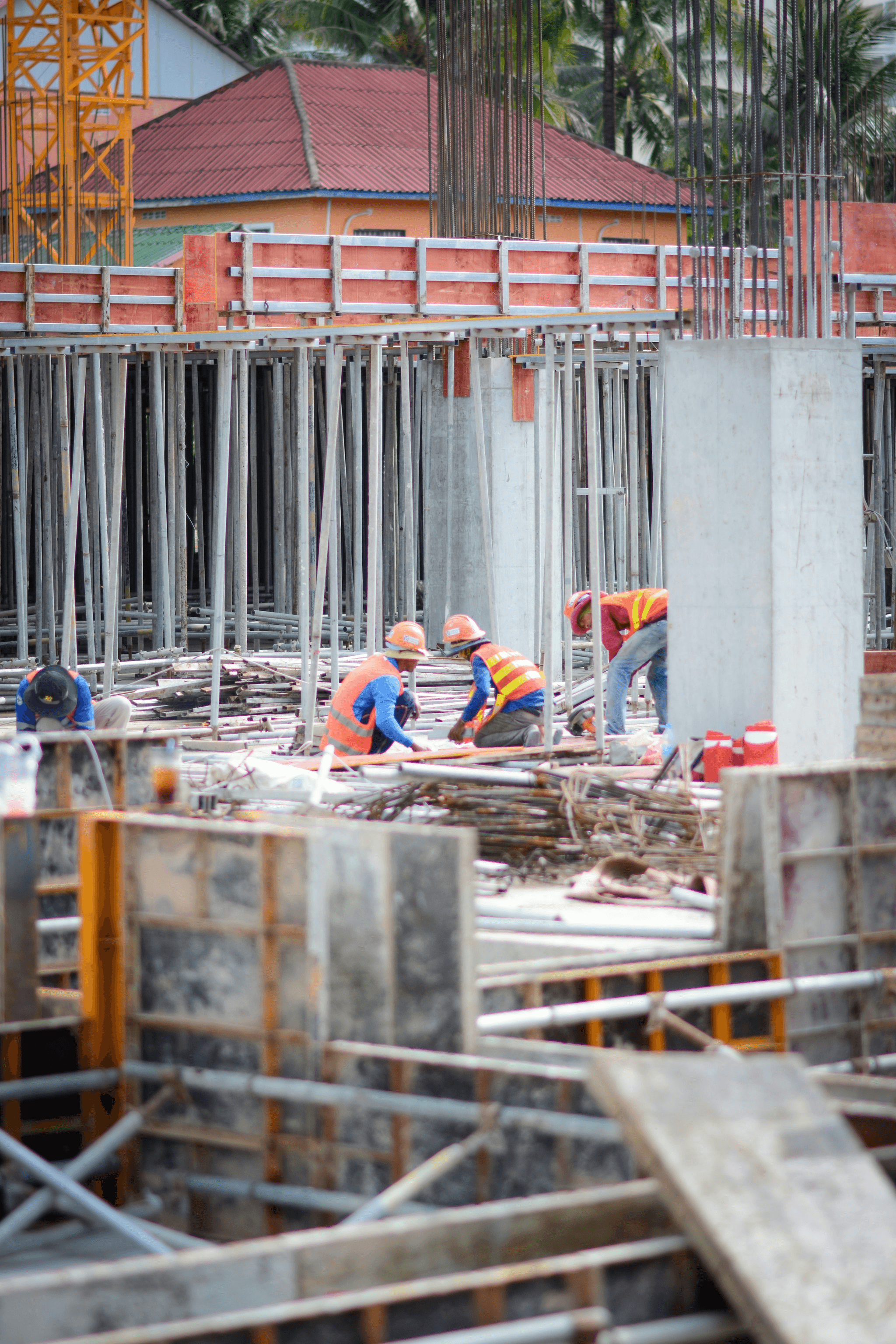
On-site inspections are a crucial aspect of the construction process, providing real-time assessments that can significantly influence project outcomes. Understanding what on-site during inspections entails is vital for ensuring that all aspects of a project meet established standards and regulations. Whether these inspections are mandatory or voluntary, they serve as checkpoints to maintain quality and compliance throughout the construction lifecycle.
Defining On-Site During Inspections
Defining on-site during inspections involves identifying the physical location where inspectors evaluate work being done in real time. This means inspectors are present at the construction site, examining materials, methods, and safety practices firsthand. Such proximity allows for immediate feedback and adjustments, ensuring any issues can be addressed before they escalate into larger problems.
Key Personnel Involved
A successful on-site inspection requires collaboration among various key personnel who play distinct roles in the process. Typically, this includes project managers, site supervisors, safety officers, and quality control inspectors who work together to ensure compliance with mandatory or voluntary inspections during construction. Each individual brings unique expertise that contributes to a comprehensive evaluation of the project's progress and adherence to standards.
Typical Scope of Work
The typical scope of work during on-site inspections encompasses various elements critical to maintaining quality assurance throughout construction projects. Inspectors assess structural integrity, material quality, and adherence to design specifications while also evaluating safety protocols in place for workers on-site during inspections. By covering these areas thoroughly, inspectors help ensure that projects not only meet regulatory requirements but also achieve high-quality results that stand the test of time.
Creating a Comprehensive Checklist
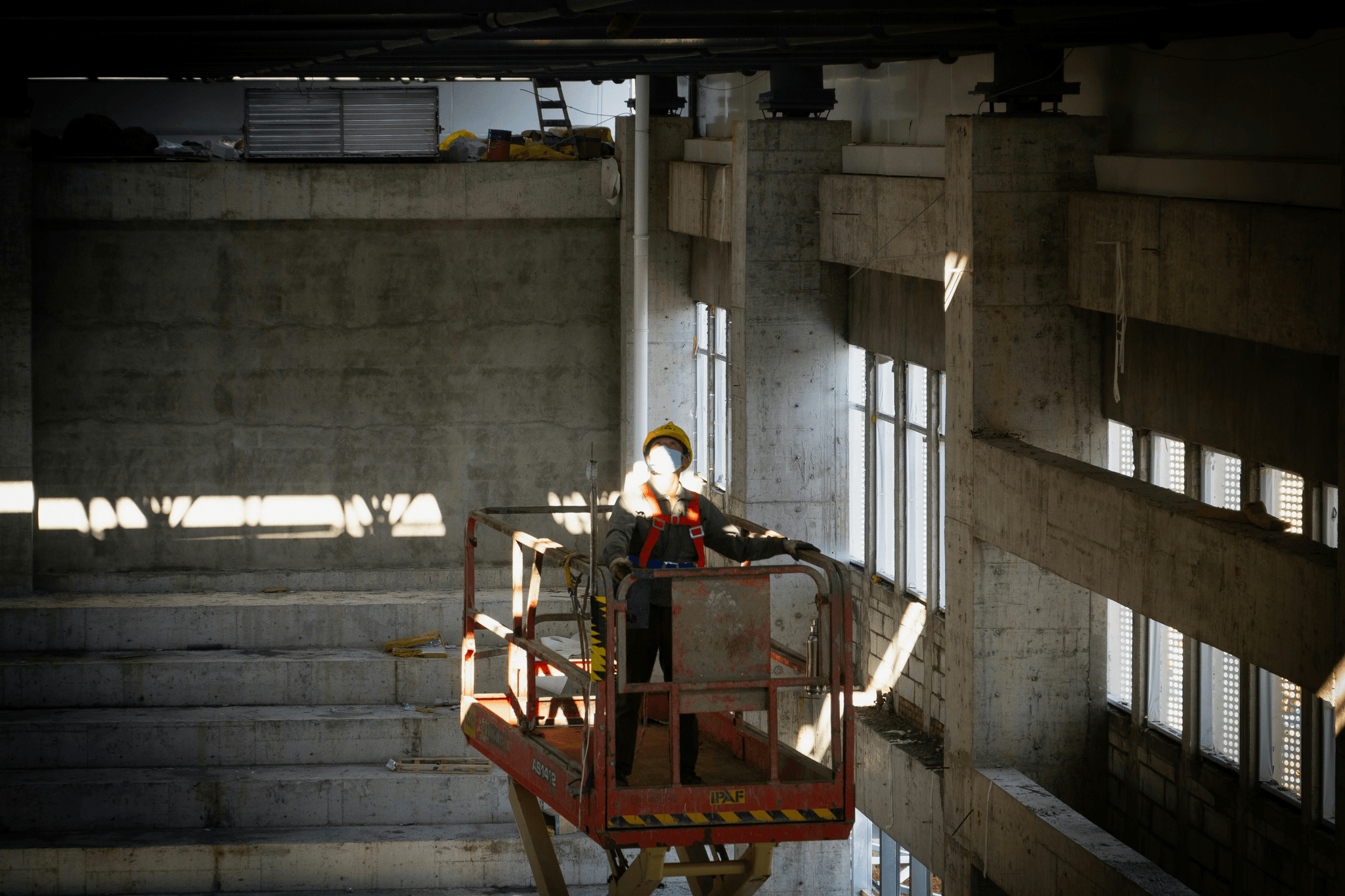
Creating a comprehensive checklist is essential for ensuring that on-site during inspections are thorough and effective. A well-structured checklist not only keeps inspectors organized but also ensures that no critical elements are overlooked, whether the inspection is mandatory or voluntary during construction. This systematic approach is vital for maintaining high standards of quality and compliance throughout the building process.
Essential Items for Review
When formulating a checklist, it’s crucial to identify essential items for review that cover all aspects of the construction site. Key elements include safety protocols, material quality, structural integrity, and adherence to design specifications. By focusing on these core areas, inspectors can ensure that both mandatory and voluntary inspections during construction yield meaningful insights into project progress and compliance.
In addition to safety and quality checks, the checklist should also incorporate environmental considerations such as waste management practices and pollution control measures. Regularly updating this list based on past experiences can help in identifying recurring issues that need attention. Ultimately, having a robust set of essential items will enhance the effectiveness of on-site during inspections.
Customizing Checklists for Various Projects
Every construction project is unique, which means checklists should be customized accordingly to address specific requirements and challenges. Factors such as project size, complexity, and type—residential vs commercial—play significant roles in determining what should be included in the checklist. Tailoring checklists ensures that both mandatory or voluntary inspections during construction are relevant and targeted.
For instance, a high-rise building may require additional focus on structural elements like steel reinforcements or concrete curing processes compared to a single-family home project. Engaging with stakeholders early in the process can provide insights into particular concerns they might have about specific projects. This collaborative approach enhances communication among teams involved in on-site during inspections while ensuring nothing slips through the cracks.
Utilizing Technology for Efficient Data Collection
In today’s digital age, leveraging technology can significantly streamline data collection during inspections. Mobile applications designed specifically for construction checklists allow inspectors to record findings in real time while on-site during inspections—eliminating delays associated with paper-based methods. These tools often come equipped with features such as photo documentation capabilities and automated reporting functions that simplify data analysis later.
Moreover, utilizing cloud storage solutions ensures that all collected data is easily accessible by relevant stakeholders at any time—promoting transparency across teams involved in both mandatory or voluntary inspections during construction projects. Advanced analytics tools can even help identify trends over time based on inspection findings, enabling proactive measures before issues escalate into larger problems down the line.
By embracing these technological advancements alongside well-crafted checklists tailored to specific projects, companies can enhance their overall inspection processes significantly while improving compliance and quality outcomes across their operations.
The Role of China Inspection Pro

When it comes to ensuring construction quality, China Inspection Pro stands out as a pivotal player in the industry. Specializing in on-site during inspections, they offer a suite of services that cater to both mandatory and voluntary inspections during construction projects. Their commitment to excellence ensures that every aspect of a project is scrutinized, leading to enhanced safety and reliability.
Overview of Quality Inspection Services
China Inspection Pro provides an extensive range of quality inspection services tailored for various stages of construction. Their team conducts thorough on-site during inspections to assess compliance with project specifications and industry standards. By focusing on both mandatory and voluntary inspections during construction, they help clients avoid costly mistakes and ensure that projects are completed on time.
In addition to traditional inspection services, China Inspection Pro leverages advanced technologies such as drones and AI-powered analytics. These tools enhance the accuracy of their assessments while minimizing disruptions on the job site. With a proactive approach, they identify potential issues before they escalate, making them an invaluable partner in any construction endeavor.
Ensuring Compliance with Industry Standards
One of the primary roles of China Inspection Pro is ensuring compliance with industry standards throughout the construction process. They conduct rigorous on-site during inspections that align with local regulations and international best practices. This not only helps clients meet legal obligations but also builds trust with stakeholders by demonstrating a commitment to quality.
Moreover, their inspectors are well-versed in various regulatory frameworks which enables them to navigate complex compliance landscapes effectively. By focusing on both mandatory and voluntary inspections during construction phases, they provide comprehensive oversight that mitigates risks associated with non-compliance. This diligence translates into safer working environments and higher-quality outcomes for all parties involved.
Transforming Findings into Actionable Insights
The true value of any inspection lies not just in identifying problems but also in providing solutions—something China Inspection Pro excels at doing. After conducting thorough on-site during inspections, their team compiles findings into detailed reports that highlight areas needing attention along with practical recommendations for improvement. This transformation from raw data into actionable insights empowers clients to make informed decisions swiftly.
Furthermore, these insights can drive future project planning by identifying recurring issues or trends observed across multiple sites or projects—essentially turning lessons learned into best practices for upcoming endeavors. Clients who utilize these actionable insights often find themselves better equipped to handle challenges proactively rather than reactively—a game changer in the fast-paced world of construction management.
In summary, China Inspection Pro’s role extends far beyond mere compliance checks; it's about fostering a culture of quality assurance through meticulous oversight and insightful analysis at every stage of the building process.
Identifying Common Pitfalls
On-site inspections play a crucial role in ensuring that construction projects meet safety and quality standards. However, there are several common pitfalls that can undermine the effectiveness of these reviews. Recognizing these issues is the first step toward creating a more robust inspection process.
Overlooking Minor Details
In the hustle and bustle of construction, it’s easy to overlook minor details during on-site inspections. Often, teams focus on major structural elements while neglecting smaller components that can lead to significant issues if left unaddressed. These minor details, whether they pertain to finishes or compliance with local codes, can affect the overall quality and longevity of a project.
Moreover, overlooking minor details can lead to costly rework down the line, which is something no one wants on their budget sheet. When conducting mandatory or voluntary inspections during construction, it’s essential to maintain a vigilant eye for these small yet impactful elements. Developing a thorough checklist specifically designed for minor details can help mitigate this risk.
Miscommunication with Stakeholders
Miscommunication among stakeholders can derail even the most meticulously planned inspection process. On-site inspections require clear lines of communication between contractors, inspectors, and project managers; without this clarity, misunderstandings arise easily. For instance, if an inspector's findings are not communicated effectively to contractors, necessary adjustments may be delayed or completely overlooked.
Additionally, differing interpretations of mandatory or voluntary inspections during construction can create confusion about what needs attention and when it should be addressed. Establishing regular check-in meetings and updates among all stakeholders helps ensure everyone is on the same page regarding inspection outcomes and necessary actions moving forward. Clear documentation of discussions also aids in preventing miscommunication from becoming a recurring issue.
Failure to Document Findings Properly
Documentation serves as the backbone for any successful inspection process; failing to document findings properly can have dire consequences down the line. On-site during inspections, it's important that every observation—whether positive or negative—is recorded accurately for future reference and accountability. Without proper documentation, valuable insights may be lost forever or misrepresented in reports.
Moreover, inconsistent documentation practices can lead to disputes over what was found during mandatory or voluntary inspections during construction phases—who said what becomes murky territory without solid records backing claims up! To avoid this pitfall, teams should adopt standardized documentation protocols that clearly define how findings should be recorded and reported after each inspection session. This ensures clarity in communication and maintains an accurate historical record of all inspection activities.
Best Practices for Effective Reviews
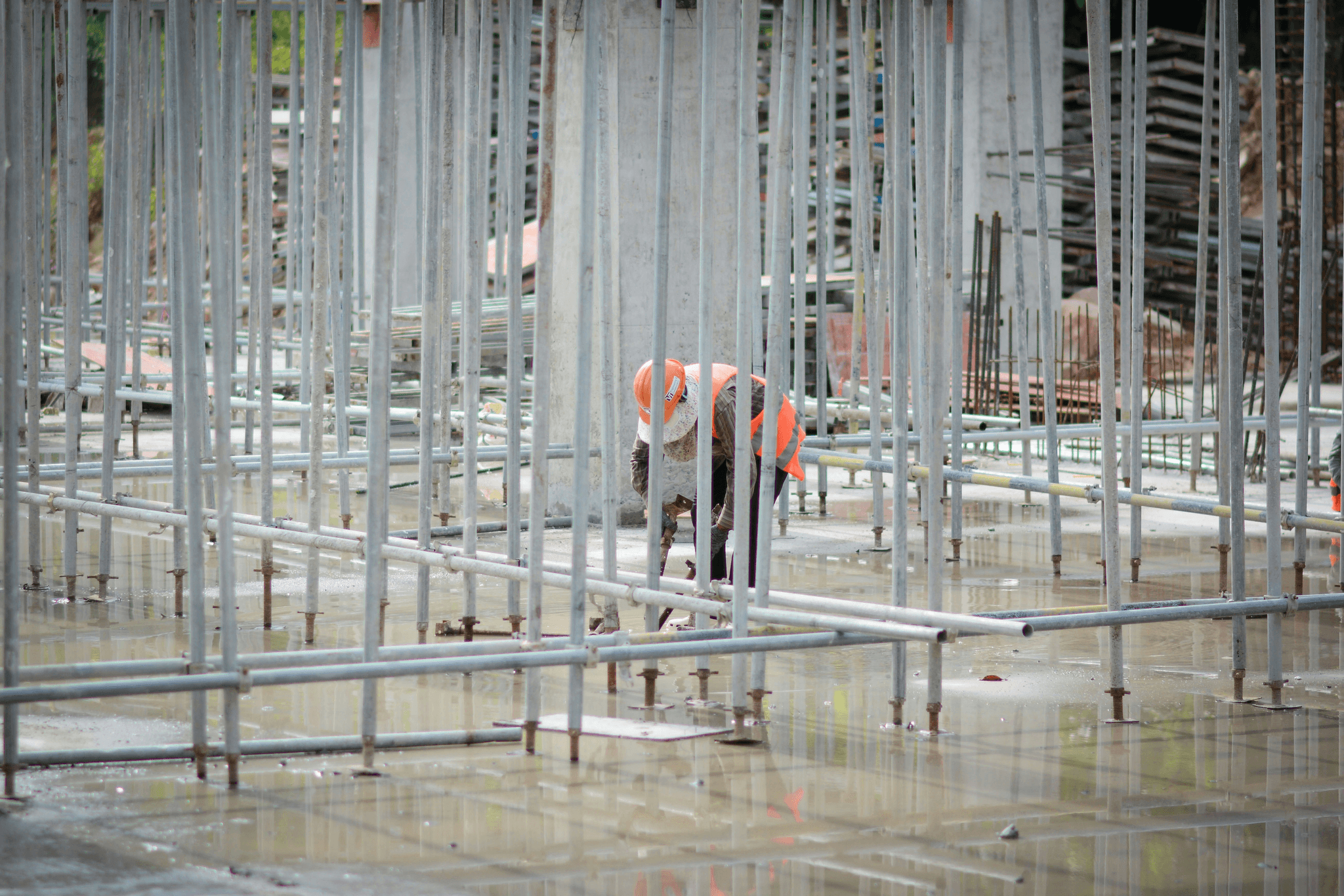
When it comes to conducting on-site during inspections, establishing clear objectives is paramount. Clear objectives provide a roadmap for what needs to be achieved, ensuring that both mandatory and voluntary inspections during construction are focused and efficient. Without well-defined goals, inspections can become aimless exercises that fail to deliver actionable insights.
Establishing Clear Objectives
To lay the groundwork for successful on-site during inspections, teams should outline specific objectives tailored to each project’s unique requirements. For instance, distinguishing between mandatory or voluntary inspections during construction allows inspectors to prioritize critical areas that need attention while not neglecting less pressing issues. By having these clear targets in place, teams can streamline their efforts and enhance the overall quality of the inspection process.
Additionally, setting measurable outcomes helps gauge the effectiveness of each inspection session. This could involve tracking compliance rates or identifying recurring issues across multiple projects. Ultimately, when everyone understands the objectives from the outset, it fosters a more cohesive team environment where everyone knows their role in achieving success.
Regular Training for Inspection Teams
Regular training is essential for keeping inspection teams sharp and informed about best practices related to on-site during inspections. The construction industry is constantly evolving with new technologies and regulations; therefore, ongoing education ensures that inspectors remain knowledgeable about current standards and methodologies. Whether it’s through workshops or online courses, investing in team training pays dividends in improved inspection quality.
Moreover, training sessions should cover both mandatory and voluntary inspections during construction so that all personnel understand their significance and how they differ from one another. This comprehensive approach helps build a versatile team capable of addressing various scenarios with confidence and expertise. Frequent refreshers also encourage open dialogue among team members regarding challenges faced in past inspections.
Creating an environment where continuous learning is encouraged not only boosts individual performance but also strengthens overall team dynamics as members share knowledge gained from different experiences.
Continuous Improvement and Feedback Loops
Establishing feedback loops is crucial for fostering continuous improvement within inspection processes conducted on-site during inspections. After every inspection cycle, gathering input from all stakeholders—inspectors included—can reveal valuable insights into what worked well and what didn’t meet expectations. This practice transforms observations into actionable strategies for future projects.
Moreover, maintaining an open line of communication encourages constructive criticism while promoting transparency among all parties involved in mandatory or voluntary inspections during construction phases. By analyzing feedback collectively rather than individually assigning blame or accolades, teams can cultivate a culture of growth rather than stagnation.
Lastly, documenting lessons learned creates a repository of knowledge that can be referred back to when similar situations arise again down the line—ensuring every project benefits from past experiences while minimizing errors through shared wisdom.
Conclusion
In wrapping up our discussion on the significance of on-site inspections, it’s clear that these evaluations play a pivotal role in ensuring construction quality and compliance. On-site during inspections, professionals can catch potential issues early, preventing costly reworks later. The distinction between mandatory or voluntary inspections during construction is crucial; both serve unique purposes but are integral to maintaining high standards.
Recap of On-Site Inspection Significance
On-site inspections are not just a box-ticking exercise; they are essential for safeguarding the integrity of construction projects. By being physically present at the site, inspectors can assess conditions and workmanship in real-time, which is far more effective than relying solely on paperwork. The importance of these evaluations cannot be overstated, as they directly impact project outcomes and stakeholder satisfaction.
The Necessity of Checklists in Construction
Checklists serve as the backbone of an effective inspection process, providing a systematic approach to evaluating various aspects of a project. Utilizing checklists during on-site inspections ensures that no detail is overlooked—after all, even minor oversights can lead to major headaches down the line. Furthermore, customizing checklists for different types of projects enhances their relevance and effectiveness in meeting specific requirements.
Future Trends in Inspection Methodologies
Looking ahead, we can expect to see significant advancements in inspection methodologies driven by technology and data analytics. Innovations such as drones and AI-powered tools will likely transform how we conduct on-site inspections, making them more efficient and comprehensive than ever before. As the industry evolves, understanding the balance between mandatory or voluntary inspections during construction will remain essential for maintaining quality standards.